
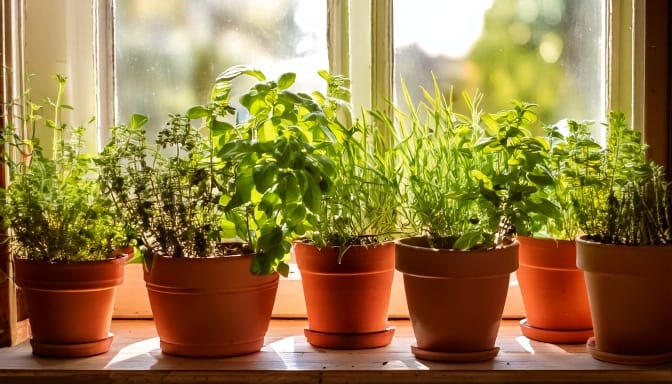
There's something almost embarrassing about how much better a dish tastes when the herbs came from a pot on your own windowsill. Fresh basil that you snipped sixty seconds ago. Rosemary that still has morning dew on it. Mint that makes your whole kitchen smell like a farmers market at 7 a.m.
April is the best month to start a kitchen herb garden — whether you have a sprawling backyard or a single sunny windowsill. Here's everything a beginner needs to know to grow herbs that actually thrive.
Why April Is the Perfect Time to Start
Spring is when the gardening stars align for herbs. The days are getting longer, temperatures are rising, and both indoor and outdoor conditions are ideal for germination. Starting in April gives your herbs time to establish strong roots before the heat of summer, which means more robust plants and a longer harvest window. If you're starting seeds indoors, you'll have transplant-ready seedlings just in time for the last frost date in most of the US.
The 5 Best Herbs for Beginners
Not all herbs are created equal when it comes to forgiveness. These five are the most reliable starting points — they're hard to kill, grow quickly, and are genuinely useful in the kitchen every week.
Basil is the gateway herb. It loves warmth, grows fast, and rewards you constantly if you keep pinching back the flowers. Grow it in full sun and water regularly — just don't let it sit in soggy soil. Perfect for tomato dishes, pasta, and homemade pesto.
Chives are nearly indestructible and come back every year once established. They prefer cooler weather, making them a great early-spring start. Snip the tops whenever you need a mild onion flavor — they just keep growing.
Mint grows so aggressively that most experienced gardeners keep it in a container specifically to stop it from taking over. That aggression works in your favor as a beginner: it's nearly impossible to kill. Use it in teas, cocktails, sauces, and desserts.
Thyme is a Mediterranean herb that actually prefers a little neglect. It tolerates drought, doesn't need much fertilizing, and produces tiny aromatic leaves with enormous flavor. Essential for roasted meats, soups, and compound butters.
Parsley is the quiet workhorse of the herb garden. It's slow to germinate but once established, it produces abundantly. Flat-leaf (Italian) parsley has more flavor than curly; either works beautifully in salads, grain dishes, and as a finishing herb on almost everything.
Container vs. Ground: Which Is Right for You?
If you're gardening on a patio, balcony, or windowsill, containers are your best friend. Most culinary herbs do beautifully in pots — you can even grow a functional herb garden in a single long window box. The key is drainage: herbs hate sitting in wet soil. Use a potting mix that drains well, make sure your containers have drainage holes, and you're more than halfway there.
If you have outdoor garden space, herbs can go directly in the ground after your last frost date. They're generally low-maintenance companions for vegetable gardens and often help deter pests naturally. Rosemary and thyme are especially happy in raised beds with plenty of sun.
The One Thing That Kills Most Herb Gardens
Overwatering. Full stop. Most kitchen herbs — especially Mediterranean ones like rosemary, thyme, and oregano — evolved in dry, rocky soil. They want to dry out between waterings. A good rule of thumb: stick your finger an inch into the soil. If it still feels moist, wait. If it's dry, water thoroughly and then let it drain completely.
The exception is basil and mint, which like more consistent moisture — but even they will rot if they're waterlogged.
Growing Herbs for Your Food Business
If you're a cottage food producer or small food business owner, a kitchen herb garden isn't just a hobby — it's an ingredient source that costs almost nothing and shows up in your products in ways customers can taste. Fresh herbs in your jam, your baked goods, your spice blends, or your specialty sauces tell a story that "dried herbs from a bulk bin" never can.
When you list your products on Butter & Sage Market, the story of how you grew the lavender in your lavender shortbread or the rosemary in your focaccia is part of what customers are paying for. Local. Homemade. Grown with care. That's the whole point.
Start small — a few pots on a sunny sill — and see where it takes you. I started with basil and mint in my kitchen window and now I have a whole raised bed situation that my family claims is "out of control." It's not. It's just enthusiastic.
— Amy
Fresh. Local. Sustainable.


0 Comments