


If you've ever spent $4 on a tiny plastic box of basil that turned into green mush after one pasta night, this post is for you.
Welcome to the wild and wonderfully fragrant world of herb gardening—where your cooking gets an instant upgrade, your kitchen smells amazing, and you get to feel smugly self-sufficient when guests ask, “Did you grow this yourself?” (Yes. Yes, you did.)
Whether you’ve got a sprawling backyard or a sunny windowsill, herb gardening is one of the easiest and most rewarding ways to dip your toes into growing your own food. Let's dig in—literally.
Why Grow Herbs?
Besides making you look like a culinary wizard, herbs offer a host of benefits:
Freshness on demand: Snip what you need when you need it. No waste, no slime at the bottom of the fridge.
Incredible flavor: Homegrown herbs have more oils (a.k.a. flavor) than store-bought [Old Farmer’s Almanac].
Cost-effective: A single $3 plant can replace dozens of grocery store bundles.
Low maintenance: Most herbs are pretty chill. If you can keep a succulent alive, you’ve got this [The Spruce].
Pest-repelling superpowers: Some herbs like mint and rosemary can help keep bugs at bay [Bonnie Plants].
You look cool: There’s something charmingly witchy and Pinterest-worthy about an herb garden.
The Best Herbs to Grow (and Why They Deserve a Spot in Your Life)
 Here's a starter lineup of culinary MVPs that thrive in small spaces and are almost impossible to mess up:
1. Basil
Why grow it: Perfect for pesto, Caprese salads, and topping everything from pizza to ice cream (trust us).
Care tip: Basil loves warmth and hates cold feet. Wait until the danger of frost has passed [RHS: Basil Care].
2. Rosemary
Why grow it: Amazing on roasted meats and potatoes, and it smells like a Mediterranean vacation.
Care tip: Let the soil dry between waterings. Rosemary prefers a bit of drought [Bonnie Plants: Rosemary].
3. Thyme
Why grow it: Versatile, great in soups and stews, and it practically thrives on neglect.
Care tip: Loves well-drained soil and full sun [Old Farmer’s Almanac: Thyme].
4. Mint
Why grow it: Great for teas, mojitos, and summer salads.
Care tip: Plant it in a container or risk full herb domination [University of Minnesota Extension].
5. Parsley
Why grow it: Not just a garnish! It's the base of chimichurri, tabbouleh, and herby sauces.
Care tip: Needs consistent watering and prefers cooler weather [The Spruce: Parsley].
6. Chives
Why grow it: Perfect snipped onto eggs, potatoes, and dips. Edible flowers too!
Care tip: Cut back regularly to keep them producing [Gardeners.com].
7. Oregano
Why grow it: A staple in Mediterranean and Mexican cooking.
Care tip: Prefers dry soil and full sun. Harvest just before it flowers for best flavor [Penn State Extension].
Herb Care 101: Keeping Your Green Babies Happy
Sunlight
Most herbs want 6–8 hours of sunlight a day [RHS Herb Guide]. Indoors, place them near a south-facing window or under a grow light.


Soil
Use well-draining soil. Herbs don’t like to sit in soggy conditions [Bonnie Plants].
Watering
Stick your finger in the dirt. If it’s dry an inch down, it’s time to water. Overwatering is the fastest way to kill your herb vibe [The Spruce].
Trimming
Snip and pinch your herbs often to encourage fuller growth and keep them from flowering too soon [Old Farmer’s Almanac].
Cooking with Fresh Herbs
Ready to eat your garden? Here’s how:
Basil: Add fresh to pasta, pizza, and salads. Make pesto by blending with garlic, nuts, and cheese [Serious Eats: Basil Guide].
Rosemary: Strip leaves into breads and marinades or infuse oil with it [Epicurious].
Thyme: Great in roasts and soups. No need to remove the tiny leaves—they cook down easily.
Mint: Add to iced drinks, spring rolls, or yogurt dips.
Parsley: Use fresh in salads and sauces like gremolata.
Chives: Toss on baked potatoes or mix into sour cream and dips.
Oregano: Sprinkle fresh on pizza or bake into flatbreads.
Drying and Storing Herbs for the Off-Season
When your herb garden is producing faster than you can cook, it's time to preserve.
Air-Drying
Bundle stems and hang upside down in a dry, shady place.
Once crispy, strip and store in airtight containers [University of Minnesota Extension].
Oven-Drying
Spread leaves on parchment, bake at lowest setting (around 170°F), and keep the door slightly open.
Check frequently—some herbs dry in just 30 minutes.
Storage Tips
Store in glass jars away from heat and light.
Use within a year for best flavor [Penn State Extension].
Final Thoughts: Herb Gardening Is Your Key to On Hand Flavor
Whether you're tending to a windowsill basil plant or a backyard jungle of oregano and mint, herb gardening is a delicious little rebellion against bland food and overpriced produce.
It’s easy. It’s satisfying. It smells amazing. And your spaghetti sauce will never be the same again.
So go forth and garden—and don’t be afraid to get a little dirt under your nails. You’re building flavor (and street cred) one snip at a time.
Want more tips or have your own herb-growing hacks? Drop a comment below or tag us on Instagram—we’d love to see your herb garden in action! 🌿

Keep reading
More from the market
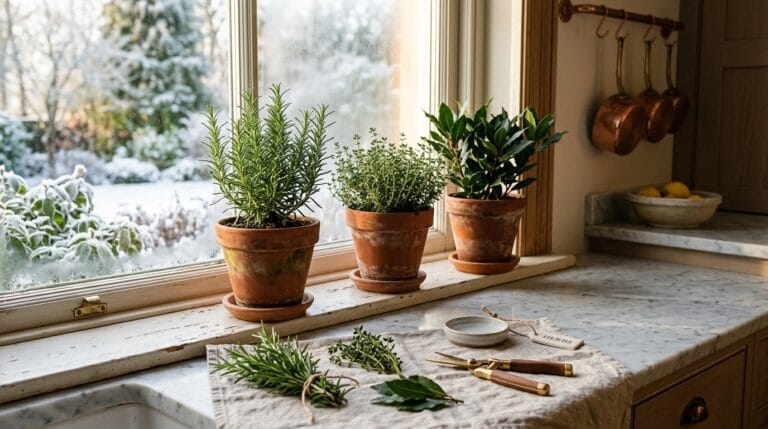
How to Bring Herbs Indoors for Winter (Which to Save, Which to Let Go)
Before the first frost, decide what to save. How to bring herbs indoors for winter, which to leave outside, and the light…
Read more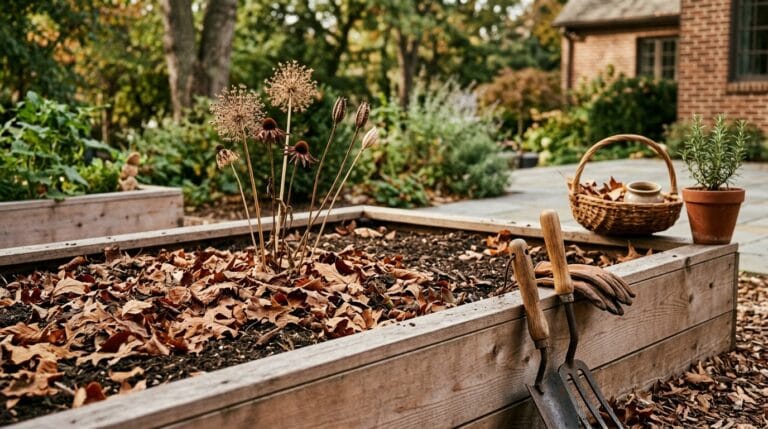
How to Put Your Garden to Bed for Winter (And Make Next Spring Easier)
What to pull, what to leave for the birds, and why covering bare soil now is the single best thing you can…
Read more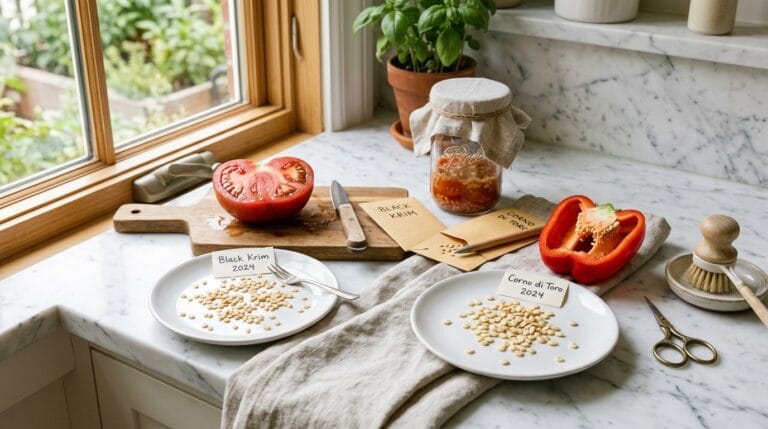
How to Save Seeds from Your Best Tomatoes and Peppers
The best tomato in your garden this year can be next year's whole crop, for free. Here's how to save tomato and…
Read more