Arizona Cottage Food Law 2026: One of the Most Permissive in the Country (And That Is Great News for Home Cooks)
Arizona lets cottage food producers sell cheesecakes, custard pies, tamales, and even meat-filled foods -- with no revenue cap and no license required. Here is the full breakdown.
 1 min read
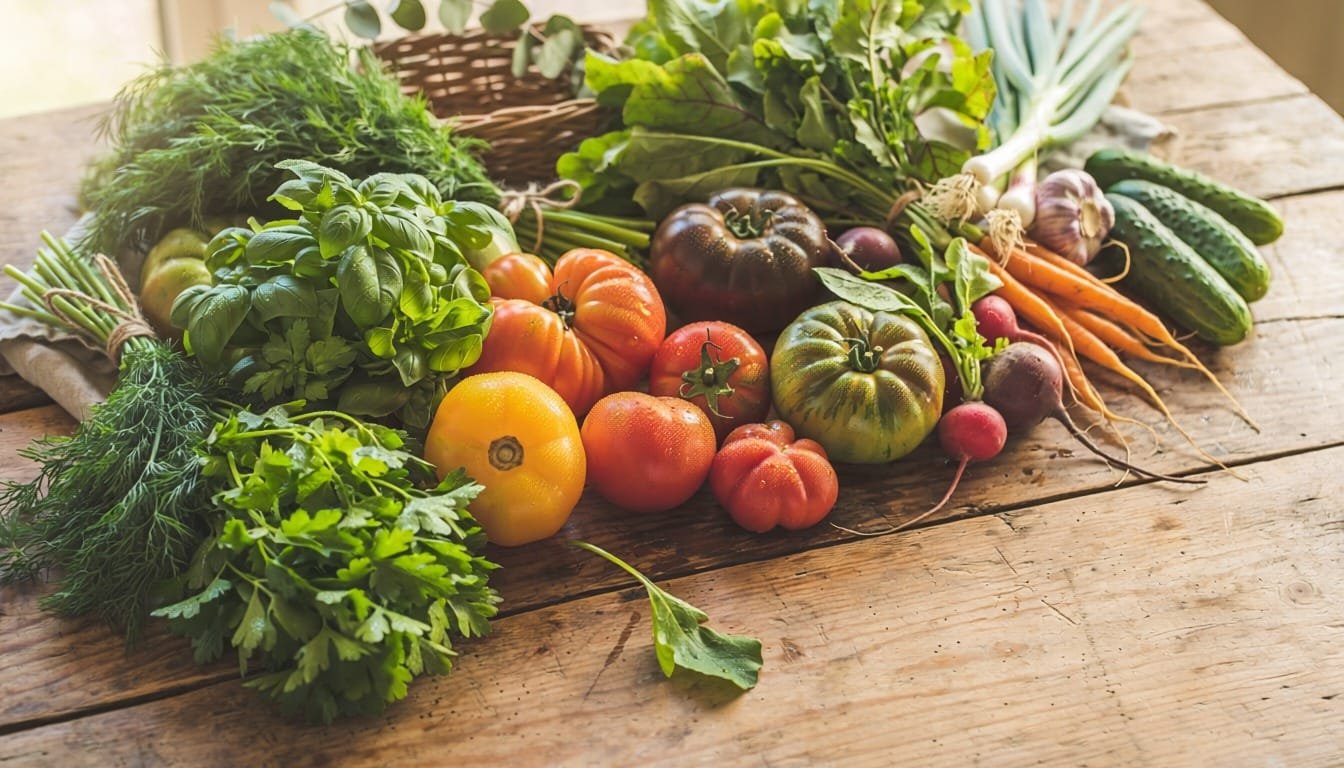
If you are a home food producer and you have not looked closely at Arizona's cottage food law, you are in for a pleasant surprise. Arizona has one of the most permissive cottage food frameworks in the entire country -- and that is not an exaggeration.
Most states draw a hard line at non-perishable foods. Cookies, jams, bread -- sure. Cheesecake? Custard pie? Tamales? Usually not. Arizona says: if you take a basic food safety course and register with the state, you can sell almost all of it.
What You Can Sell Under Arizona's Cottage Food Law
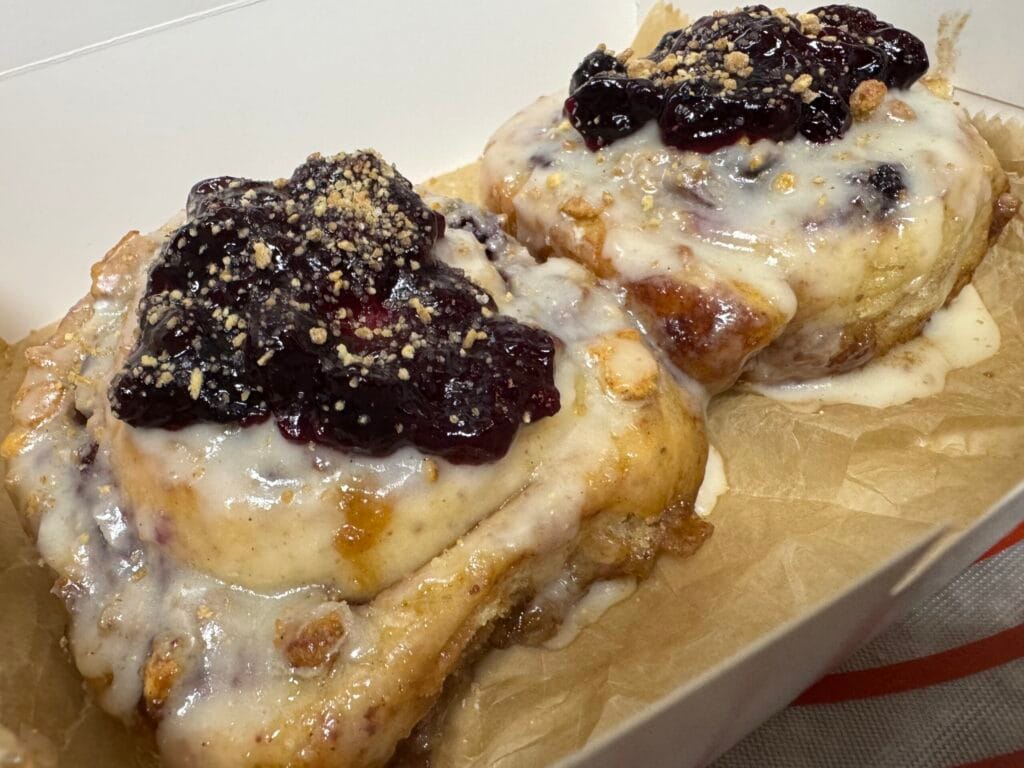
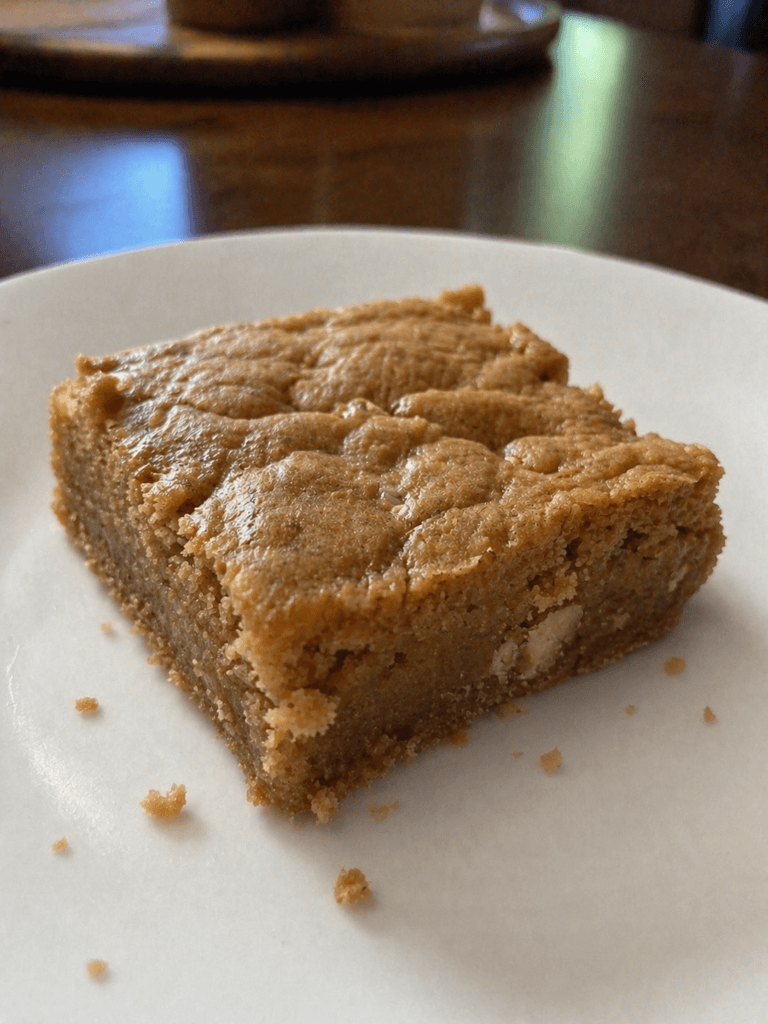
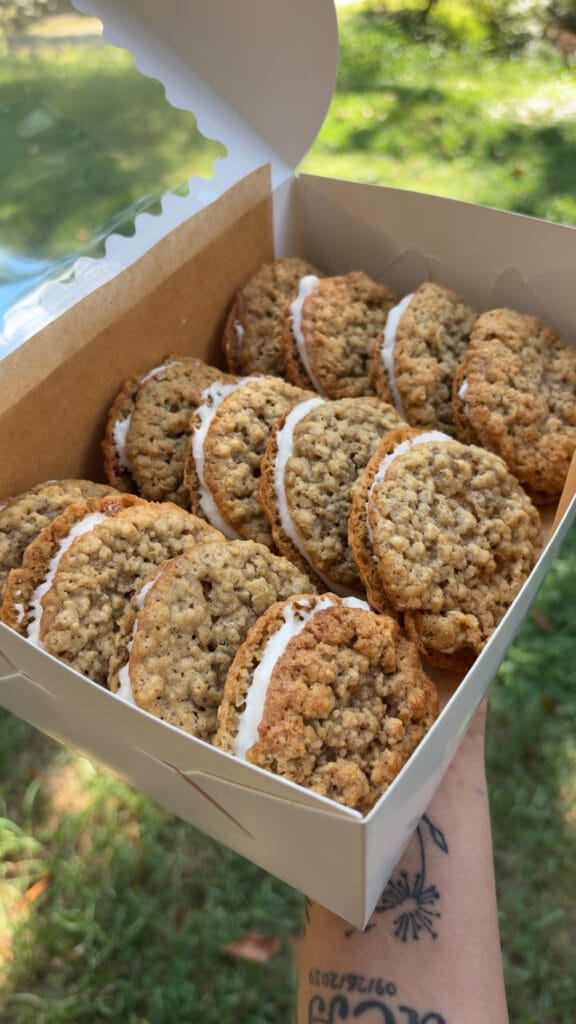
Arizona's allowed products list includes most foods that other states prohibit, including items that require time and temperature control for safety. Here is a sampling of what is explicitly permitted: baked goods of all kinds including cookies, cakes, breads, muffins, and pastries; jams, jellies, and fruit butters; pies including custard pies, pumpkin pie, sweet potato pie, and pecan pie; cheesecakes and cream-filled desserts; tamales (including meat tamales); tacos, pizzas, and other prepared foods; salsas, hot sauces, and fermented foods; pickled vegetables; beverages and syrups; roasted nuts, granola, and popcorn; candy and confections.
One important nuance: products containing meat or dairy can only be sold direct-to-consumer. You can sell a meat-filled tamale at a farmers market or via direct delivery -- you just cannot wholesale it to a restaurant or grocery store. The no-cap, no-license framework applies to all other products across all sales channels.
No Revenue Cap, No License Required
Arizona has no annual revenue cap for cottage food operations -- there is no limit on how much you can sell. This is one of only a handful of states in the country that has eliminated the revenue ceiling entirely, making Arizona an unusually attractive place to build a serious cottage food business.
There is no inspection of your home kitchen and no permit or license issued or required before you can start selling. What you do need: complete an ANSI-accredited food handler course (widely available online for around $10, takes about 2 hours, valid for three years) and register with the Arizona Department of Health Services online (renews every three years). That is the whole startup checklist.
Where You Can Sell in Arizona
Arizona cottage food producers can sell almost anywhere: directly from your home, at farmers markets, at temporary events and pop-ups, at roadside stands, in retail stores, and online including websites, social media, Etsy, and in-state shipping. Wholesale to restaurants, grocery stores, and other retailers is also permitted for non-meat, non-dairy products. The one limitation: you cannot ship products across state lines. Sales must be within Arizona only.
Labeling Requirements in Arizona
All cottage food products sold in Arizona must be labeled with the product name, your name and business address, net weight or volume, ingredients list in descending order by weight, allergen information, and this required statement: "This product was produced in a home kitchen that may come in contact with common food allergens and pet allergens and is not subject to public health inspection."
Why Arizona Is Worth Paying Attention To
What makes Arizona's law notable is not just the breadth of allowed products -- it is the underlying philosophy. Arizona made a deliberate choice to trust home food producers to take a food safety course and then get out of the way. No inspection bureaucracy, no arbitrary sales caps, no prohibited food categories that do not make sense from a safety standpoint.
For cottage food entrepreneurs in Arizona, that means you can build a real business around your actual cooking -- not just the shelf-stable things you are allowed to make. If your specialty is green chile tamales, or pumpkin cheesecake, or a traditional family recipe that happens to need refrigeration, Arizona's law has room for you.
Arizona Makers: Find Your Customers on Butter & Sage Market
For more information visit the Arizona Department of Health Services -- Cottage Food Program website.
Legal Disclaimer: This post is for informational purposes only and is not legal advice. Cottage food laws change frequently -- always check your state's current statutes or consult a local attorney before starting your food business.

Keep reading
More from the market
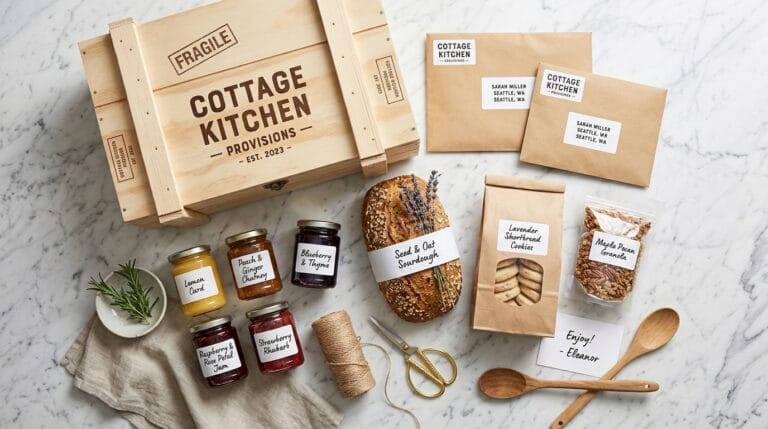
Can You Ship Cottage Food? The State-by-State Breakdown for 2026
Can you mail your cottage food products? The short answer is: it depends on your state. Here's the full 2026 breakdown of…
Read more
Georgia Cottage Food Laws 2026: No License Fee, Retail Sales Now Legal, and How to Start
Georgia eliminated its cottage food license fee and opened retail and restaurant sales in 2025 — and 2026 is your first full…
Read more
Food Freedom States 2026: Where Cottage Food Laws Go the Furthest
Nine states have passed food freedom laws that go far beyond standard cottage food rules — no permits, no sales caps, and…
Read more