
A Spoonful of History
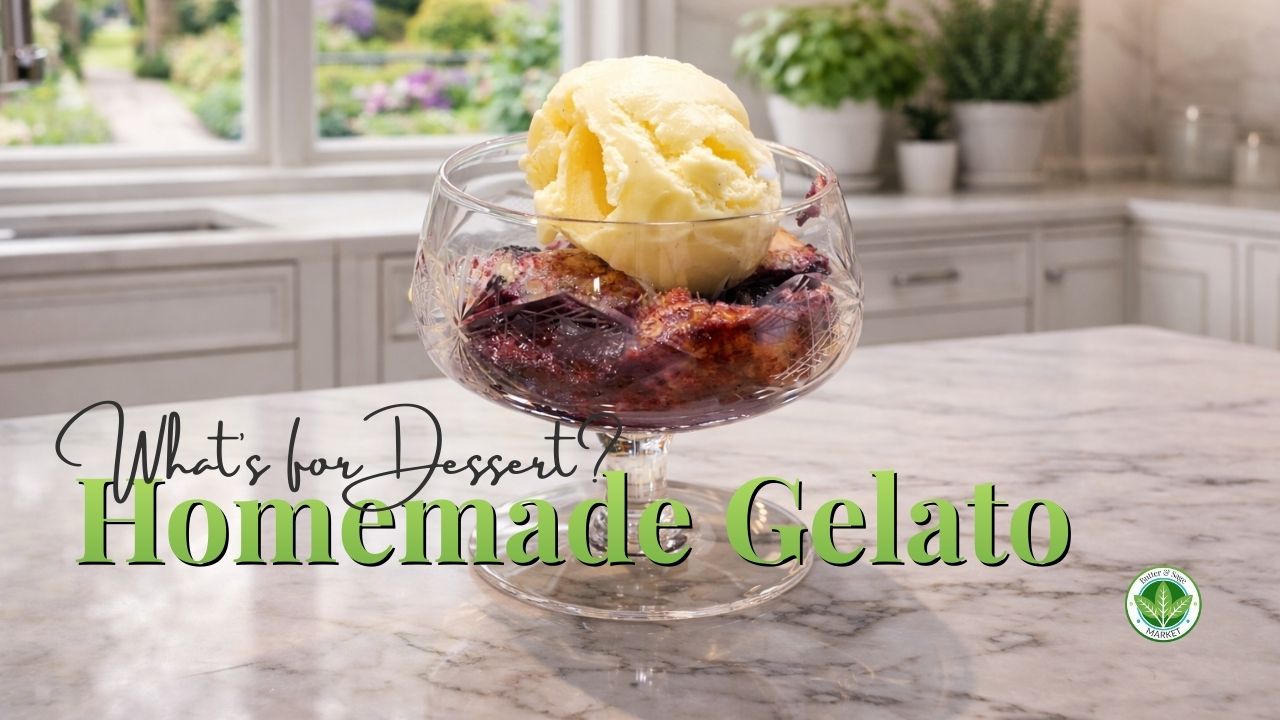
If there’s a dessert that feels like a hug and a vacation at the same time, it’s Italian gelato. Its roots go back centuries, with early frozen desserts appearing during the Renaissance. Many food historians point to Florence as a major birthplace of modern gelato, where chefs experimented with milk, sugar, and ice to create something smoother and more refined than the icy treats that came before.
Over time, gelato culture spread across Italy, each region adding its own flair — creamy northern styles, nutty Sicilian variations, fruit-forward southern recipes. Like most Italian foods, it’s simple ingredients treated with deep respect.
Regions That Shaped Gelato
Sicily — Famous for pistachio and almond gelato, often intensely flavored and aromatic.
Piedmont — Hazelnuts shine here, producing deeply nutty, luxurious scoops.
Rome — A hub for traditional gelaterias serving both classic and inventive flavors.
Florence — Where culinary creativity helped refine gelato into the silky dessert we know today.
Gelato isn’t just a food — it’s a daily ritual. A stroll, a cone, a pause in the day. That energy is exactly what inspired us to make it at Butter & Sage Market.
What Makes Gelato Special
Gelato is like ice cream’s sophisticated cousin who studied abroad and came back calmer, smoother, and somehow more charming.
Lower fat, more flavor
Gelato uses more milk and less cream than traditional ice cream. That means less fat coating your tongue and more room for flavor to shine.
Less air, more texture
It’s churned slowly, so less air gets whipped in. The result? Dense, silky, almost stretchy texture.
Served warmer
Gelato is stored at a slightly higher temperature, which lets flavors bloom immediately instead of hiding behind the cold.
Gelato vs. Ice Cream (The Friendly Rivalry)
| Feature | Gelato | Ice Cream |
|---|---|---|
| Fat content | Lower | Higher |
| Texture | Dense & silky | Light & fluffy |
| Air content | Minimal | Higher |
| Serving temp | Slightly warmer | Colder |
| Flavor | Bold & immediate | Creamy & mellow |
We love both. But gelato feels… intentional. Focused. Like dessert that knows exactly what it wants to be.
About Those “Unexpected” Ingredients
At Butter & Sage Market, we love local, seasonal, farm-first cooking. So yes — seeing xanthan gum, milk powder, and dextrose in our recipe might raise an eyebrow.
But here’s the cozy truth: these are all naturally derived ingredients that help gelato achieve its signature texture.
Xanthan gum — A fermentation-derived stabilizer that prevents icy texture.
Milk powder — Simply dehydrated milk that boosts creaminess without extra fat.
Dextrose — A natural sugar that improves scoopability and smoothness.
Think of them as tiny helpers from modern food science. They don’t replace quality ingredients — they support them.
And the real heart of our gelato? Fresh farm eggs and milk whenever we can get them.
On the day we tested this recipe, we wandered through our local farmers market feeling very Italian and very hopeful. We scored a beautiful deal on fresh eggs — golden yolks, sunshine color, the works. Sadly, the milk vendor had sold out (success for them, mild heartbreak for us). But those eggs? They absolutely carried the gelato. Rich, smooth, and deeply comforting.
Why You Should Try This
This gelato is smooth, rich, and quietly luxurious. It’s the kind of dessert that makes people pause mid-bite and look at you like you’ve done something impressive (you have).
We genuinely think it’s better than anything you’ll find locally… unless you’ve wandered into a small gelateria somewhere in Italy and had a scoop handed across the counter with a smile and no rush in the world.
That’s the only fair competition.
So give it a try. Use the freshest ingredients you can find. Take your time. Share it with people you love.
Gelato
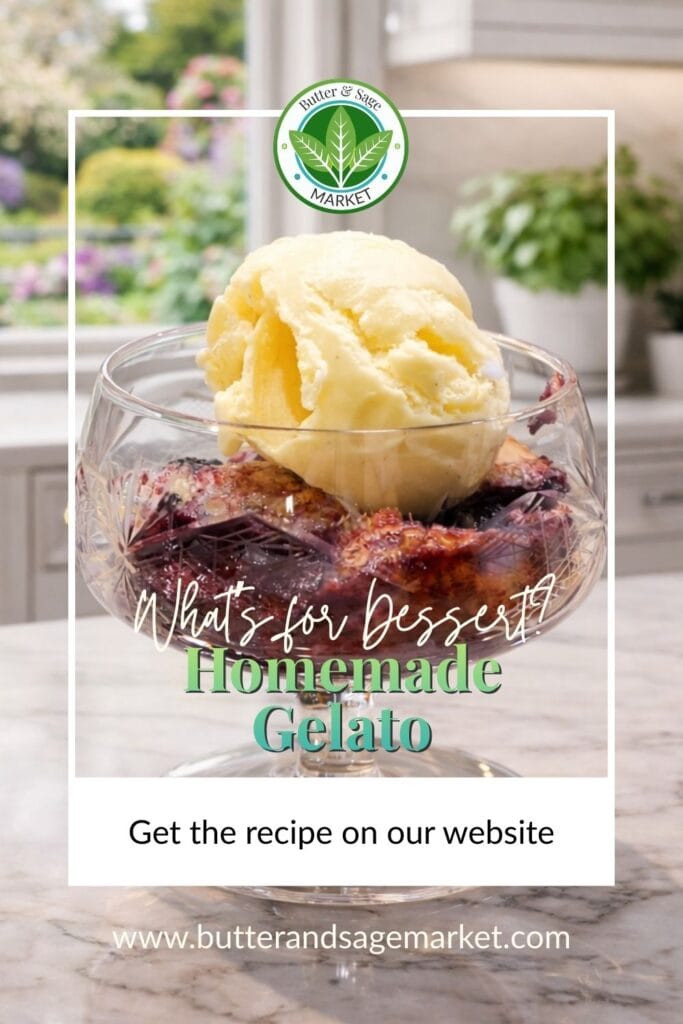
Discover authentic Italian gelato with our cozy, farm-inspired recipe. Smooth, rich, and better than store-bought — made with fresh eggs and modern technique.
Ingredients
Instructions
Prep Ingredients
-
In a medium sized bowl mix the white sugar, dextrose powder, milk powder, and Xantham gum
-
Using a small pairing knife cut the top side of the vanilla pod and using the knife blade scrape out the vanilla seeds from the pod. Set both seeds and pod to the side.
-
In a small bowl separate the egg yolks from the eggs and whisk until blended
Heat the Gelato Mix
-
Add the milk and fresh cream to a medium sauce pan over medium low heat
-
Add the yolk mixture to the milk
-
Before the milk mixture reaches 86 degrees (F), add the sugar and powdered milk mixture to the milk mixture. Sprinkle the powders while gently whisking to avoid lumps.
-
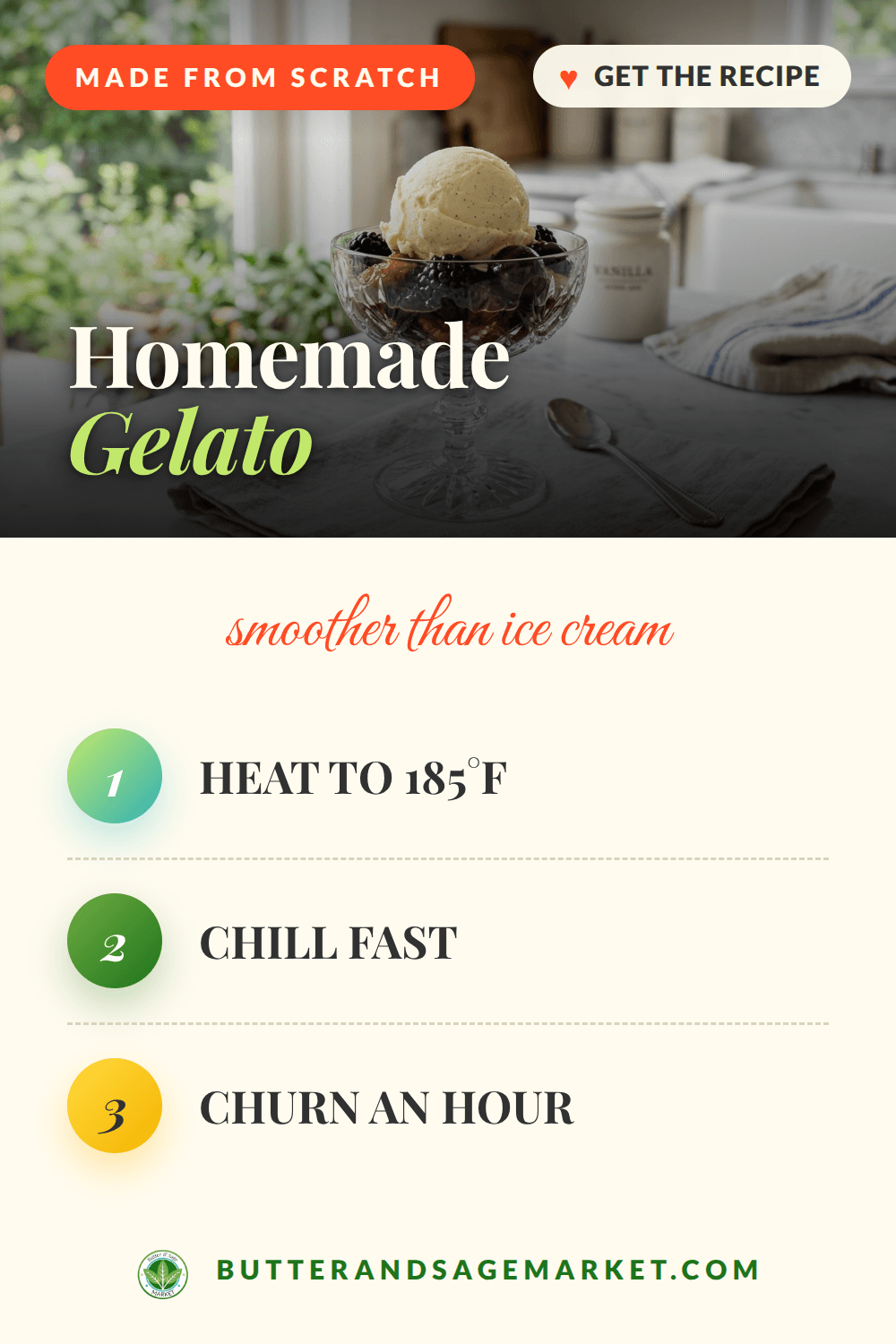
Continue whisking gently until the mixture reaches 185 degrees (F). Turn off the heat and remove the sauce pan from the heat source.
Cool Gelato Mix
-
Immediately transfer the gelato mix into a stainless steel bowl that is set inside of an ice water bath to quickly cool the mixture. Stir occasionally until the mixture temperature falls below 90 degrees (F)
-
Once cooled you can immediately transfer the mix to the ice cream maker. Start the machine and churn for 1 hour
Transfer and Chill
-
Transfer the churned Gelato to a storage container and place in the freezer overnight
Serving
-
Gelato is best served when it has the chance to soften slightly. Remove the container from the freezer and allow to sit until an ice cream scoop can move smoothly through the Gelato. Serve alone or on top of your favorite dessert.
-
Gelato is best if consumed within 1-2 weeks. It can be safely stored in the freezer for 1-2 months.



0 Comments