
So, you’ve perfected your grandma’s salsa recipe, your pickles are the talk of the town, and your sourdough starter has a name (and possibly its own Instagram account). You’ve turned your passion into a small food business—and that’s no small feat. But now you’re ready to take it to the next level.
Growing a food business is equal parts art, strategy, and knowing where to buy cute-but-affordable jars at 2 a.m. To help you on your journey, we’ve rounded up a few key areas that can make or break your next phase of growth: pricing, packaging, marketing, and financing. Let’s dive in—with clean hands, of course.
🧾 Pricing: Don’t Sell Yourself Short (Seriously)
Ah, pricing. That magical dance between what your product should cost and what you think people will pay. Many small food producers start by pricing emotionally—“Would I pay $8 for this jam?”—instead of strategically.
Here’s a more sustainable approach:
Know your costs: This includes ingredients, packaging, labels, labor (yes, your time counts), kitchen rental, and shipping if applicable.
Factor in profit: A healthy profit margin (30–50% or more) allows you to reinvest in your business.
Don’t forget wholesale: If you ever want to sell to retailers, they’ll typically expect a 50% margin. Make sure your price can absorb that.
💡 Pro tip: Check out similar products at local markets or online. You’re not just selling jam—you’re selling your jam, with your story, and that adds value.
🎁 Packaging: Pretty, Practical, and Price-Savvy
Your packaging is your first impression. It’s the outfit your food wears to the party. And like any good outfit, it needs to strike a balance between style and function.
Here’s how to dress your product for success:

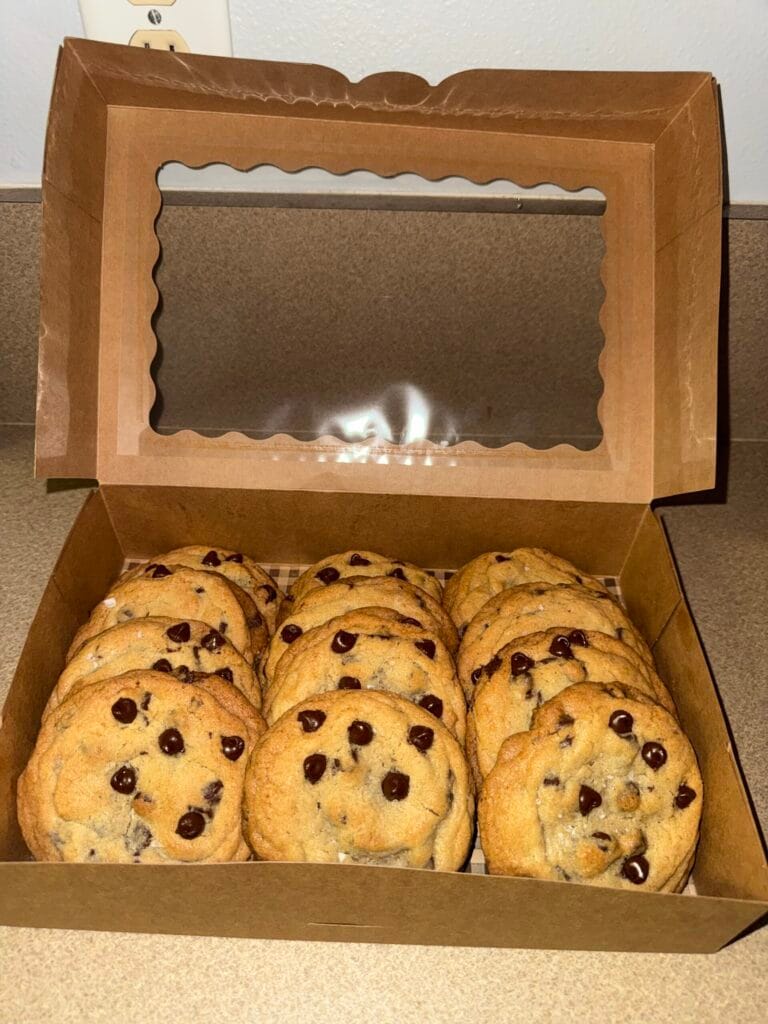
Source smart: Sites like Uline, WebstaurantStore, and EcoEnclose offer good options, but don’t sleep on local packaging suppliers or even restaurant supply stores.
Order in bulk (when you can): The per-unit cost goes down significantly with volume. Just make sure you have the space to store it—your dog doesn’t want to share his bed with 300 jars.
Think sustainably: More consumers care about eco-friendly packaging. Compostable or recyclable options can give you an edge.
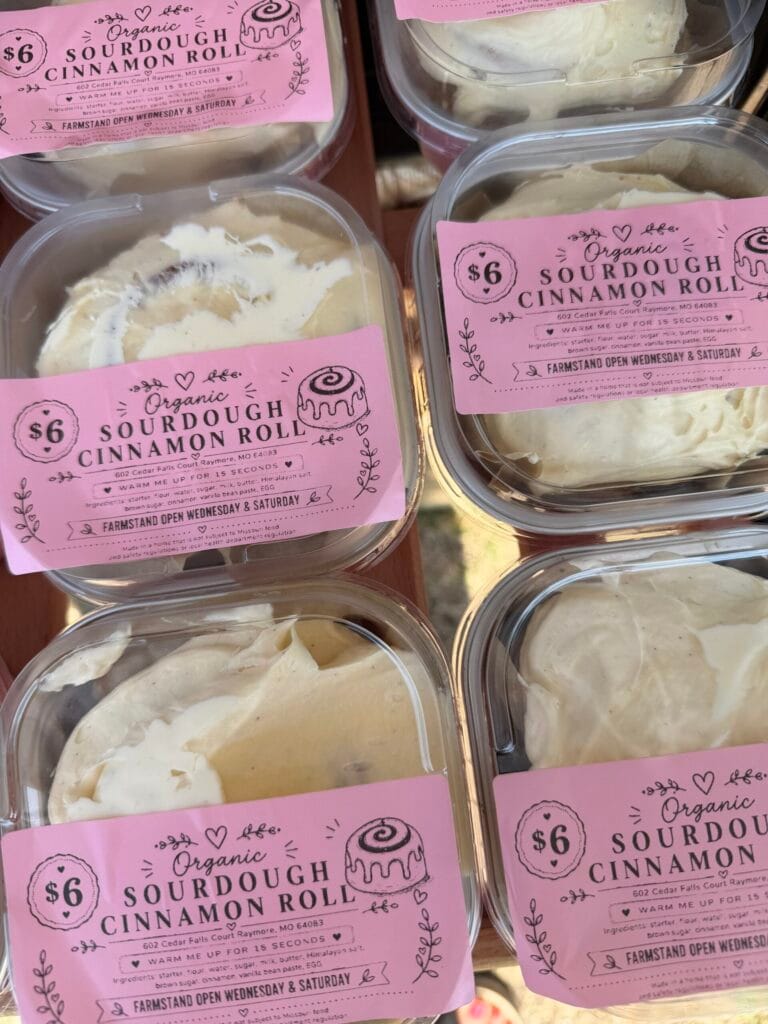
And of course, don’t forget that good labels can do wonders. Invest in a simple design or even a DIY template that’s clean, readable, and fits your brand vibe (whether that’s rustic farm charm or modern snack chic).
📣 Marketing: Build Buzz Without Burning Out
Marketing doesn’t have to mean dancing on TikTok (unless you want to). It’s really just about telling your story in a way that resonates.
Try a mix of these:
Social media: Focus on one or two platforms where your audience hangs out. Behind-the-scenes pics, product demos, and customer shoutouts go a long way.
Email newsletters: Even a simple monthly update keeps your brand top-of-mind and lets you announce new products or restocks.
In-person events: Markets, fairs, and pop-ups are great for feedback and relationship-building.
List on a marketplace like Butter & Sage Market: This is a game-changer for visibility. You get built-in traffic, a community of food lovers, and the chance to reach customers who care about supporting local producers. It’s like having a virtual booth at the best farmer’s market in town—all year round.
✨ Bonus Tip: Keep your branding consistent. That means using the same logo, color palette, tone of voice, and product names wherever you show up. Consistency builds trust. And trust builds sales.
💸 Financing: Fueling Your Growth Without Losing Sleep
At some point, growing your business means spending money—whether on a commercial mixer, new packaging, or your first employee (hi, cousin Becky!).
Here are some ways to fund that growth:
Self-funding: Many producers bootstrap in the early days. It’s scrappy, but it builds discipline.
Microloans: Organizations like Kiva or local community development financial institutions (CDFIs) offer low-interest loans for small food businesses.
Grants: Look for agricultural or small business grants at the state or county level. They’re competitive but worth applying for.
Crowdfunding: Platforms like Kickstarter or iFundWomen let your customers support your next big step in exchange for rewards (hello, “Hot Sauce VIP Club”).
Whatever path you take, start with a budget. Know how much you need, what you’ll spend it on, and how it’ll help you grow.
🎉 Final Bite: You’ve Got This
Growing a food business takes grit, love, and a really good apron. But you’re not alone. With smart pricing, strong branding, the right partners (like Butter & Sage Market!), and a little financial planning, you’re setting yourself up for sustainable success.
Now go forth, feed the people, and remember: if it came from your kitchen and your heart, it’s already special.
Need more tips or want to join a community of fellow makers? Check out Butter & Sage Market and see how we’re helping small producers like you shine.
Got a favorite resource or packaging hack? Share it in the comments—we’re all in this (mixing) bowl together.

Keep reading
More from the market
How to Get Your Baked Goods to Market Without Wrecking Them
Cakes slide, frosting sweats, cookies go soft in the car. The crates, timing and packing order that get your bakes to the…
Read more
How to Store Root Vegetables and Winter Squash So They Last Until Spring
Potatoes, squash, carrots and onions will keep for months if you get a few things right. What each one wants, and the…
Read more
What to Do With Unsold Stock When the Market Season Ends
The last market of the season ends with a car full of what did not sell. Here is how to turn that…
Read more