Bread has a way of pulling you in slowly.
At first, it’s just curiosity—can I actually make this at home? Then it becomes a quiet obsession. You start noticing the way dough feels in your hands, how it changes hour by hour, how one loaf turns out beautifully while the next one… humbles you. And somewhere along the way, you realize bread isn’t just about ingredients. It’s about understanding a living process.
Most of that process comes down to yeast.
The Engine that Makes Bread Rise: The Different Types of Yeast
Not just what yeast you use, but how you work with it—how you guide it, slow it down, speed it up, and sometimes just get out of its way. Because whether you’re using sourdough, active dry yeast, or fresh baker’s yeast, you’re really doing the same thing: creating the right environment for fermentation to do its work.
The difference is in personality.
Sourdough is the romantic of the group. It’s wild, a little unpredictable, and deeply rewarding if you’re willing to be patient. It lives in your starter—a culture of wild yeast and bacteria that you feed and maintain. When you bake with it, you’re stepping into a slower rhythm. The dough takes its time, often hours longer than commercial yeast, developing flavor gradually. That signature tang isn’t just for show—it’s the result of a long fermentation where acids build, gluten relaxes, and the dough becomes more complex with every passing hour.
Active dry yeast, on the other hand, is the friend who texts “on my way” and actually means it. It’s reliable, steady, and forgiving. You can plan your day around it and trust that your dough will rise in a reasonable window of time. It doesn’t demand the same level of attention as sourdough, and for many bakers, that consistency is exactly what makes it so appealing.
Then there’s fresh yeast—soft, crumbly, and a little harder to find, but beloved in professional kitchens. It’s lively and fast, often moving quicker than active dry yeast, and it brings a subtle, clean flavor to the bread. Working with it feels a bit like having a sports car in the kitchen: responsive, powerful, and best handled when you know what you’re doing.
But regardless of which yeast you choose, every dough follows the same journey. And once you understand that journey, everything starts to make more sense.
The Mix
It begins with mixing. Flour, water, yeast, and salt come together in what might look like a rough, slightly messy mass. At this stage, you’re not looking for perfection—you’re just making sure everything is incorporated. The dough might feel sticky or uneven, and that’s fine. It’s not finished. It’s barely begun.
If you pause here—and many bakers do—you can let the flour and water rest together before adding salt and yeast. This step, called an autolyse, gives the flour time to fully hydrate and begin forming gluten on its own. It’s one of those small decisions that pays off later, making the dough easier to handle and improving the final texture in ways that feel almost unfair for how simple it is. The pause is optional, and how long you pause can be debated - but every technique is worth a try to find what works specifically for you.
Then comes bulk fermentation, which is where the dough truly comes alive. Don't get confused on this one: bulk fermentation begins the moment you mix the yeast with flour and water. But it is a stage in its own right that happens before the final proof. Just some bakers lingo to get your head around.
The bulk fermentation stage is where yeast begins feeding, producing gas, and slowly inflating the dough from within. If you’ve ever checked on your dough and felt a small surge of excitement because it looks bigger, softer, somehow more awake—that’s this phase doing its job.
With sourdough, this part can stretch across an afternoon or even into the evening. With active dry or fresh yeast, it moves more quickly, sometimes wrapping up in a couple of hours. But time alone isn’t the best guide here. The dough tells you when it’s ready. It will look smoother, feel lighter, and show small bubbles beneath the surface. It’s less about doubling perfectly and more about recognizing that it has changed.
During this time, you might gently stretch and fold the dough a few times. It’s a subtle action—lifting one side, folding it over, turning the bowl, and repeating—but it builds strength without rough handling. Especially with wetter doughs, this technique replaces heavy kneading and gives you a structure that feels both strong and airy.
Shaping: Telling Your Bread What It's About to Become
Eventually, you move on to shaping. This is where things can feel a little awkward at first, like trying to wrap a gift without enough tape. But what you’re really doing is creating tension on the surface of the dough, guiding it into a form that will hold its shape as it rises and bakes. A well-shaped loaf has a kind of quiet confidence to it—it sits upright, not sprawling, ready for the next step.
Now We Wait
That next step is proofing, the final rise. This is where patience matters again, though in a different way. The dough has already done most of its work; now it’s refining. If you rush it into the oven too soon, it won’t have the internal structure to expand properly. Wait too long, and it can lose strength. Somewhere in the middle is the sweet spot, where a gentle poke springs back slowly, leaving just a slight indentation.
And then, finally, the oven.
The Grand Finale
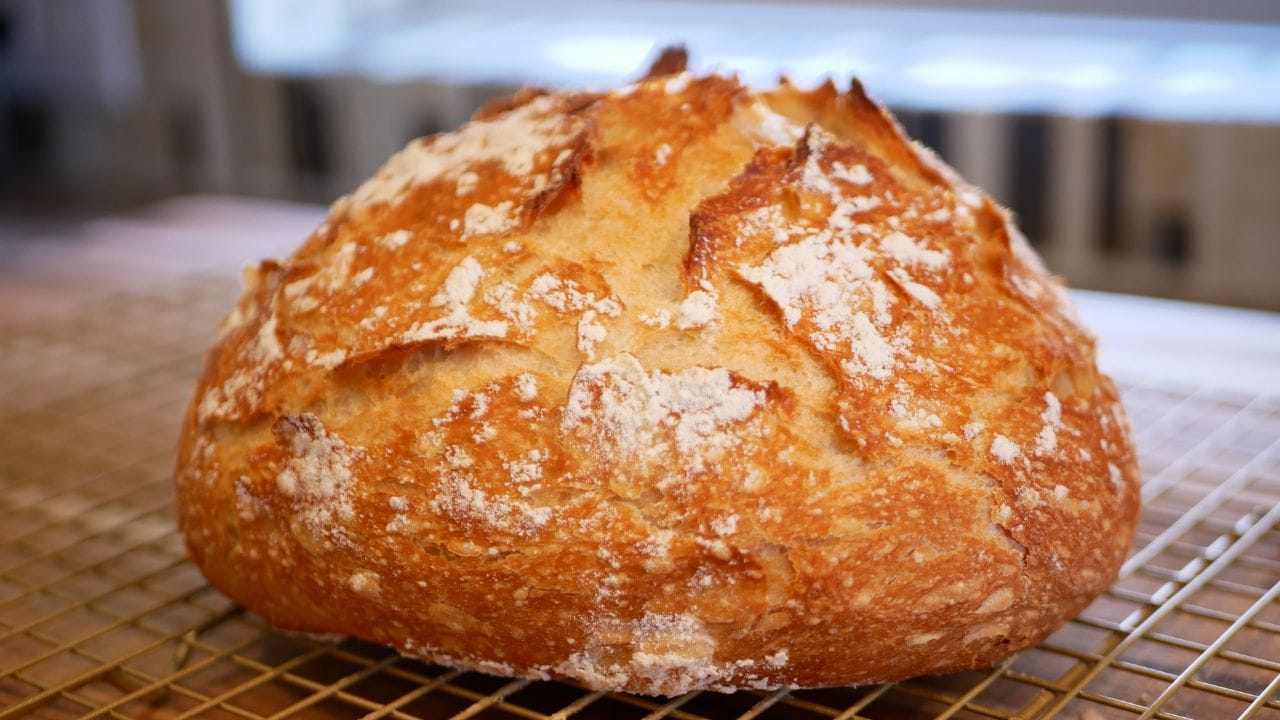
This is where everything you’ve done either pays off or teaches you something. The heat causes a rapid expansion—what bakers call oven spring—as gases inside the dough expand and the structure sets. Steam, whether from a Dutch oven or added to your oven, helps create that crisp, crackling crust. Sugars caramelize, proteins brown, and your kitchen fills with a smell that feels like a reward in itself.
Oh...But there's so many variables
But here’s where things get interesting—because none of these stages are fixed. They’re flexible, and that flexibility is where you begin to develop real control.
If you add more yeast, the dough moves faster. It rises quickly, sometimes too quickly, which can sacrifice flavor. Reduce the yeast, and everything slows down. The dough takes longer, but the flavor deepens, becoming more nuanced and interesting.
Temperature plays a similar role. A warm kitchen encourages faster fermentation, while a cooler environment slows it down. This is why so many bakers use the refrigerator as a tool rather than just a storage space. An overnight fermentation in the fridge doesn’t just fit your schedule—it transforms the bread, allowing flavor to develop in ways that a quick rise never could.
Hydration—the amount of water in your dough—changes everything about how the bread feels and behaves. A drier dough is easier to handle, more structured, and produces a tighter crumb. A wetter dough can feel sticky and unruly, but it rewards you with an open, airy interior that’s hard to achieve any other way. It’s a trade-off, and learning to navigate it is part of the craft.
Even the weather gets involved. On humid days, dough can feel softer and ferment faster. On dry days, it might need a bit more water to reach the same consistency. It’s one of those details that reminds you bread isn’t made in a vacuum—it’s made in your kitchen, in real conditions, with real variability.
And that’s the point where baking starts to shift.
You stop thinking of recipes as strict instructions and start seeing them as frameworks. You begin to understand that changing the type of yeast, adjusting hydration, or altering fermentation time isn’t “breaking the rules”—it’s using them.
HINT: Someone else's recipe and timing might, or might not, work for you simply because of the variables. A recipe that worked for you all summer might suddenly not work in the winter. Taking time to consider the condition of your kitchen, the temperature and humidity - and then using the queues from the dough to tell you how to adjust are the secrets to success.
This is exactly why having a tool that speaks the language of baker’s math changes everything. Instead of guessing how much water to add or how to scale a recipe for multiple loaves, you can decide what you want first. How many loaves are you making? How open do you want the crumb? Are you using sourdough for depth of flavor or fresh yeast for speed? Do you want something lean and crusty, or soft and enriched with butter and a touch of honey?
From there, the formula builds itself.
It takes what can feel like an overwhelming number of variables and turns them into something clear, flexible, and entirely your own. And once you start working that way—choosing rather than following—you realize that bread isn’t something you have to get exactly right.
It’s something you get to shape.
And sure, there will still be loaves that don’t turn out the way you hoped. That’s part of the deal. But even those teach you something—about timing, about temperature, about paying attention.
Because in the end, bread isn’t just about flour and yeast.
It’s about learning how to read the process, trust your instincts, and enjoy the quiet, satisfying rhythm of making something from almost nothing.
And maybe, just maybe, tearing into a warm loaf before it’s fully cooled… even though you absolutely know better.
Baker’s Math in Practice: What a Loaf Looks Like on Paper (and in the Oven)
At some point, every baker has the same realization: recipes are helpful, but ratios are freedom.
Baker’s math isn’t just a professional trick—it’s the thing that lets you look at a loaf of bread and understand why it turned out the way it did. Once you see those percentages, you start to recognize patterns. A baguette isn’t just a baguette—it’s a lower hydration, lean dough with a specific balance. A soft sandwich loaf? That’s enrichment at work.
So let’s make this real. Imagine you’re starting with flour as your constant—100%. Everything else builds from there.
A Classic Lean Loaf (Your Everyday Crusty Bread)
This is the foundation. No fat, no sugar—just structure and flavor.
Flour: 100%
Water: 68–72%
Salt: 2%
Yeast: 0.5–1% (or ~20% sourdough starter)
This is the dough that becomes baguettes, boules, and rustic loaves. It’s firm enough to handle comfortably but hydrated enough to give you a light, open crumb.
How it bakes:
This type of bread loves a hot oven and steam. You’re looking at around 475°F, ideally with a Dutch oven or a baking stone plus added steam. The steam keeps the crust flexible in the early stages so the loaf can expand fully before it sets.
A Rustic Sourdough Loaf (Flavor First)
Now we lean into time and fermentation.
Flour: 100%
Water: 75–80%
Salt: 2%
Sourdough starter: 20%
This dough feels softer, a little stickier, and much more alive. It benefits from stretch-and-folds rather than heavy kneading, and a long, slow fermentation—often with an overnight rest in the fridge.
How it bakes:
High heat, just like a lean loaf, but sourdough really shines in a covered Dutch oven. The enclosed space traps steam naturally, giving you that deep caramelized crust and dramatic oven spring.
Ciabatta (The Wild Child)
Ciabatta is what happens when you push hydration to the edge and embrace the chaos.
Flour: 100%
Water: 80–85%
Salt: 2%
Yeast: ~1%
This dough is loose, sticky, and not particularly interested in being shaped. That’s intentional. The high water content creates those beautiful, irregular holes inside.
How it bakes:
Ciabatta is typically baked on a stone or steel rather than in a Dutch oven. It benefits from strong bottom heat and a burst of steam at the beginning, but it doesn’t need the same enclosed environment. Minimal shaping, quick transfer, and into a very hot oven it goes.
Focaccia (Olive Oil Makes Everything Better)
This is where things start to feel indulgent.
Flour: 100%
Water: 75–85%
Olive oil: 8–12%
Salt: 2%
Yeast: 1–2%
The oil changes everything. It softens the crumb, adds richness, and helps create that golden, slightly crisp exterior.
How it bakes:
Focaccia is baked in a pan, generously coated with olive oil. The dough is stretched rather than shaped, dimpled with your fingertips, and often finished with more oil and salt. The pan essentially fries the bottom while the oven bakes the rest—resulting in that signature crisp-meets-fluffy texture.
Soft Sandwich Bread (Structure Meets Comfort)
This is the loaf you grew up with—but better.
Flour: 100%
Water or milk: 60–65%
Butter or oil: 5–10%
Sugar or honey: 5–8%
Salt: 2%
Yeast: 1–2%
Lower hydration and added fat create a tighter crumb that slices cleanly. The sugar adds a hint of sweetness and helps with browning.
How it bakes:
Typically baked in a loaf pan at a slightly lower temperature (around 350–375°F). No steam needed here—the goal is softness, not a crackling crust. Brushing the top with butter after baking keeps the crust tender.
Brioche or Enriched Dough (When Bread Becomes Dessert)
This is bread leaning into pastry territory.
Flour: 100%
Eggs: 40–50%
Butter: 30–50%
Sugar: 10–15%
Salt: 2%
Yeast: 1–2%
It’s rich, soft, and deeply flavorful—but also more demanding to work with. The fat slows fermentation, so patience is key.
How it bakes:
Lower oven temperatures (around 325–350°F) prevent over-browning due to the high fat and sugar content. Often baked in pans or molds to support the delicate structure.
Choosing Your Method: Matching Dough to Technique
If baker’s math tells you what the dough is, your baking method determines what it becomes.
A wetter, higher hydration dough benefits from support and steam—hence the popularity of the Dutch oven. It creates a mini professional oven inside your home oven, trapping moisture and giving you that bakery-style crust.
Drier, lean doughs can thrive on a baking stone or steel, where direct heat helps with oven spring and crust development. Add a tray of water or a quick burst of steam at the beginning, and you’re in business.
Enriched doughs, on the other hand, prefer a gentler approach. They’re usually baked in pans, where their softer structure can hold shape, and where you don’t need aggressive steam or extreme heat.
And then there are breads like focaccia, which break the rules entirely—in the best way—by baking in oil-rich pans that crisp the bottom while keeping the interior airy.
The Takeaway
Once you start seeing bread through the lens of baker’s math, everything connects.
You notice that increasing hydration gives you openness but demands gentler handling. That adding fat softens crumb but slows fermentation. That a small change in yeast percentage can shift your entire timeline.
And suddenly, instead of asking “what recipe should I follow?” you start asking:
“What kind of bread do I want to make today?”
That’s the shift—from baking to understanding.
And once you’re there, having a tool that lets you plug in your flour amount, choose your hydration, select your yeast, and decide on enrichment isn’t just convenient—it’s empowering. It turns ideas into formulas, and formulas into bread.
Which, when you think about it, is a pretty great system


0 Comments