
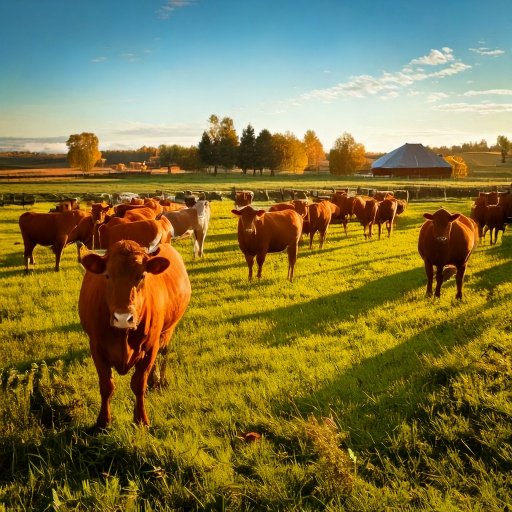

Small farms are the heart of local food systems. They grow fresh produce, support rural economies, preserve biodiversity, and often practice regenerative techniques that benefit the land and community. But while they offer unique value, small farms also face significant challenges—ranging from volatile weather patterns and pest outbreaks to access to markets and funding. Scaling a small farm doesn’t mean becoming industrial; it means growing smartly and sustainably, with diverse revenue streams and a plan for long-term resilience. This guide explores actionable strategies to help small farms not only grow, but thrive, with links to trusted resources to guide the way.
Laying the Groundwork: Planning and Sourcing for Growth
The first step toward scaling a farm is strategic planning. It’s easy for small farms to operate from season to season without a formal business plan, but as operations expand, structure becomes vital. The USDA recommends that small and beginning farmers start with a written business plan that outlines goals, costs, risk strategies, and market opportunities. A strong plan should also include cash flow projections and a marketing strategy. Fortunately, the USDA’s Farming Business Basics page offers free templates and guides to help farms structure their operations for growth.
In terms of sourcing, scaling may require bulk purchasing of seed, feed, or equipment, so building relationships with reliable suppliers is essential. Farmers can consider joining or forming cooperatives to access better rates and reduce costs. Additionally, collaborating with food hubs can provide logistical support and access to larger markets. Food hubs aggregate products from small farms and handle packaging, distribution, and even marketing—freeing up farmers to focus on production. The National Sustainable Agriculture Coalition offers a helpful overview of food hubs and value chains that support scaling efforts.
Growing Your Customer Base and Reaching New Markets
 To sustain growth, small farms must also scale their customer base. One of the most effective ways to do this is by participating in Community Supported Agriculture (CSA) programs. CSAs offer a predictable income stream by allowing customers to prepay for a share of the farm’s seasonal produce. It also strengthens customer loyalty and engagement. For farms looking to transition from direct-to-consumer sales into wholesale markets—like supplying to restaurants, schools, or retailers—resources such as SARE’s guide on Scaling Up Your Vegetable Farm for Wholesale provide a roadmap.
Digital platforms also offer modern opportunities. Listing on e-commerce marketplaces, offering online ordering for farm boxes, and using social media to showcase the farm’s story can expand visibility beyond the local farmers’ market. These channels are especially important for younger consumers who value transparency, sustainability, and convenience.
Preparing for Unpredictability: Managing Risk from Weather, Pests, and Market Shocks
No farm is immune to risk, but small farms—especially those without capital reserves—are particularly vulnerable to extreme weather events, pest infestations, and market disruptions. That’s why risk management should be part of any scaling strategy.
Start by exploring financial protections like USDA’s Whole-Farm Revenue Protection insurance, which covers a wide variety of crops and is tailored for small and diversified farms. More information about these programs is available at farmers.gov. Beyond insurance, conservation practices supported by the USDA’s Natural Resources Conservation Service (NRCS) can help farms adapt to climate change. Techniques like cover cropping, crop rotation, no-till planting, and efficient water management are not only ecologically sound but economically smart. The NRCS’s Solutions for Small-Scale Farms page outlines conservation options specifically for smaller operations.
Another cornerstone of risk management is Integrated Pest Management (IPM), which combines careful pest monitoring, natural predators, crop diversification, and minimal pesticide use to control outbreaks. The USDA’s Integrated Pest Management resources explain how to adopt IPM practices that reduce input costs and increase resilience.
Diversifying Revenue Streams to Build Financial Stability
 Diversification is one of the most powerful tools small farms can use to stabilize income and weather uncertainty. Rather than relying on a single crop or sales channel, successful small farms often operate with multiple complementary enterprises.
This could include adding livestock like poultry, goats, or bees; developing value-added products such as jams, soaps, or cheese; or hosting on-farm experiences like U-pick events, farm dinners, or educational tours. Agritourism has become an increasingly viable revenue stream—particularly for farms located near urban areas. The USDA’s guide on Sustainable Urban Farms offers tips on how to incorporate tourism and education into farm models sustainably.
Livestock integration and intercropping can also support soil health and reduce pest pressure while providing more marketable products. Studies from the National Institute of Food and Agriculture (NIFA) show that diversified farms tend to be more profitable and resilient over time (source).
Maintaining Financial Health and Investing in Infrastructure
Scaling a farm involves significant financial planning. Creating seasonal budgets that account for input costs, labor, and anticipated income is crucial. Farmers should monitor cash flow monthly and set aside emergency reserves. For those needing capital, USDA microloans—designed specifically for small and beginning farmers—offer accessible funding for land, equipment, and supplies. These programs can be explored in detail at USDA’s resource hub for small farms.
Infrastructure investment also becomes necessary as farms grow. Cold storage units, washing and packing stations, greenhouses, and fencing are essential to increase efficiency and extend product shelf life. Farmers can apply for USDA grants like the Value Added Producer Grant (VAPG) or the Farm Storage Facility Loan program to fund these improvements.
Embracing Technology and Innovation
Technology can be a force multiplier for small farms. From simple tools like mobile apps that track planting schedules to more advanced tools like soil sensors and aerial drone imaging, precision agriculture is becoming more accessible. For example, the National Agricultural Library’s Digital Agriculture Resources offer insights into how small farms can adopt scalable tools for irrigation, pest detection, and crop health monitoring.
Digital marketplaces and e-commerce platforms, such as Barn2Door, Farmigo, and Butter & Sage Market allow farms to manage inventory, take online orders, and reach a wider customer base without the need for a third-party distributor. These platforms also offer analytics and CRM tools to better understand customer behavior and product demand.
Continuous Learning and Long-Term Resilience
Finally, successful scaling is not a one-time action but a continuous process of learning and adapting. Farmers should make time for reviewing their numbers, tracking what worked and what didn’t, and adjusting accordingly. Joining local or regional farm networks can be incredibly valuable for peer learning and accessing cooperative grants or bulk purchasing.
Extension offices at land-grant universities—such as those listed by eXtension.org—offer free or low-cost education, technical assistance, and research-based resources on everything from soil science to market development. Participating in workshops, attending field days, and engaging with university-backed programs can provide both knowledge and community support.
Conclusion
Scaling a small farm is about more than increasing acreage. It's about strengthening your foundation—financially, ecologically, and socially. By planning carefully, managing risk, diversifying income, investing in infrastructure, adopting smart technologies, and continuously learning, small farms can scale sustainably and secure their future. The resources linked throughout this article are designed to help farmers take the next step with confidence.
Whether you're planning your first CSA, applying for a microloan, or looking to launch an agritourism venture, know that you're not alone. Support is out there—and so is opportunity.


0 Comments