Ohio has one of the more flexible cottage food frameworks in the Midwest, and it's worth understanding because it does something most states don't: it lets home food producers sell through grocery stores and restaurants, not just at farmers markets. If you're building a cottage food business in Ohio, knowing which of the three available paths fits your goals makes all the difference.
Here's everything you need to know about the Ohio cottage food law in 2026.
The Big Picture: No Revenue Cap
The best news first: Ohio has no annual revenue cap on cottage food sales. Your home-based food business can grow without hitting a legal ceiling that forces you to find a commercial kitchen. That's a meaningful advantage over states that cap sales at $25,000 or $35,000.
Ohio's Three Paths for Home Food Production
What makes Ohio unusual is that it offers three distinct legal paths for home food producers, each with different requirements and different privileges:
Path 1: Cottage Food (Basic Exemption)
The simplest route — no license, no registration required. You can sell directly to consumers at the point of production (your home), at farmers markets, and at state-organized festivals. Products are limited to non-potentially hazardous baked goods, jams, jellies, and candy.
Path 2: Home Bakery License
Stepping up to an Ohio Department of Agriculture Home Bakery License opens more doors. This requires an inspection of your home kitchen and a licensing fee, but it allows you to sell baked goods through a broader range of retail channels — including some grocery stores and specialty food shops. If your baked goods are the core of your business and you want retail shelf presence, this is worth looking into.
Path 3: Microenterprise Home Kitchen Operation (HKO)
Ohio's newest home food production option, the HKO allows you to sell virtually any homemade food (excluding alcohol) from your home kitchen — including items not normally covered by the cottage food exemption. It requires a $25 annual registration with the Ohio Department of Agriculture and a home inspection. Sales are direct-to-consumer only under this path.
What Can You Sell Under the Basic Cottage Food Exemption?
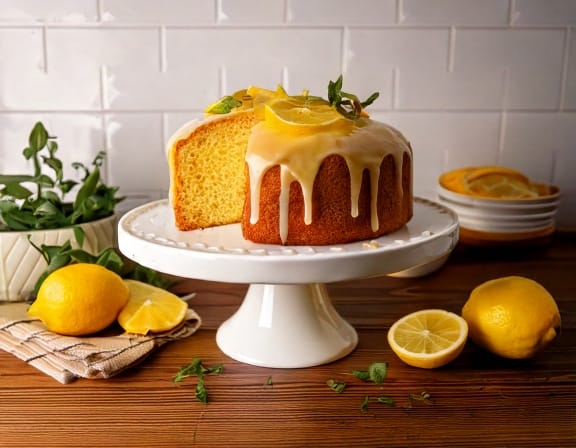
- Non-potentially hazardous baked goods (cookies, cakes, breads, brownies, fruit pies)
- Candy and confections
- Jams, jellies, and fruit butters
- Granola and dried goods
Potentially hazardous foods — cream-filled pastries, refrigerated items, meat products — require one of the licensed paths or a commercial kitchen.
Where Can You Sell?
This depends on which path you take, but Ohio's cottage food law is unusually broad on sales channels:
- Directly from your home ✓
- Farmers markets ✓
- Registered farm markets ✓
- State-organized festivals (up to 7 consecutive days) ✓
- Grocery stores (with Home Bakery License) ✓
- Restaurants (with Home Bakery License) ✓
The grocery store and restaurant channel is genuinely rare among cottage food states — most limit sales to direct-to-consumer only. If getting your products into local stores or onto a restaurant's ingredient list is part of your vision, Ohio's Home Bakery License path makes that possible.
Labeling Requirements
All Ohio cottage food products must include:
- Product name
- Your name and home address
- Net weight in both US and metric units
- Ingredients list in descending order of weight
- Allergen disclosures
- The statement in at least 10-point type: "This Product is Home Produced"
That last label requirement — "This Product is Home Produced" — is specific to Ohio and must be clearly visible on every unit sold.
Which Path Is Right for You?
If you're just getting started and want to test the waters at a farmers market, the basic Cottage Food path is the fastest way in — no license, no inspection, just properly labeled products and a market table.
If your goal is building a real product business that eventually reaches store shelves, start thinking about the Home Bakery License from the beginning. The inspection and licensing process is an investment of time and money that pays off if retail is in your plans.
And if you want maximum flexibility on what you can sell — including items that don't fit neatly into the "baked goods and jams" category — explore the Microenterprise HKO route. The $25 annual fee is minimal for the expanded product permissions it provides.
Ohio's home food production framework is more nuanced than most states, and that nuance is mostly in your favor. Take the time to understand which path matches your goals before you start investing in your setup.
0 Comments