Washington State has a functioning cottage food program, but it's one of the more structured frameworks in the country — with a required permit, a revenue cap, and one restriction that surprises a lot of home bakers: online sales are not allowed. Before you start planning your cottage food business in Washington, here's exactly what you're working with.
What Is Washington's Cottage Food Law?
Washington's cottage food program is administered by the Washington State Department of Agriculture (WSDA). Home processors can produce and sell certain non-hazardous foods from a residential kitchen without a full commercial food processing license — but the program has more requirements than many other states.
Revenue Cap
Washington has a $35,000 annual revenue cap on cottage food sales. This cap was raised from a lower level in recent years, but it's still a ceiling that active home bakers need to keep in mind as their businesses grow. If you're approaching or exceeding $35,000 in annual sales, you'll need to look at transitioning to a licensed commercial kitchen.
The Permit Requirement
Unlike several states where you can just start selling, Washington requires a Home Processor license from the WSDA. The current fee is approximately $355 for a two-year permit. Part of the licensing process involves a home kitchen inspection — an inspector will visit your kitchen to confirm it meets basic sanitation and food safety standards.
What inspectors look for includes: adequate sink access with hot and cold water, a dedicated handwashing sink (this is a firm requirement — you can't use the same sink for food prep and handwashing), clean surfaces, and appropriate storage. If your kitchen doesn't have a separate handwashing sink, you'll need to address that before applying.
What Can You Sell in Washington?
Washington's cottage food law covers shelf-stable, non-potentially hazardous foods, including:
- Baked goods (breads, cookies, cakes, muffins, pies with fruit fillings)
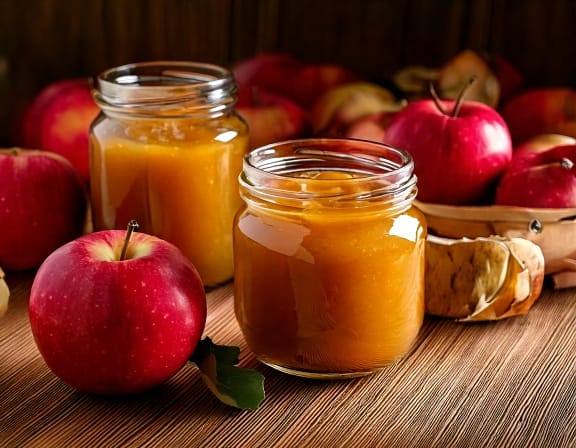
- Jams, jellies, and fruit preserves
- Candy and confections
- Granola and dried goods
- Roasted nuts and popcorn
- Dried herbs and spice blends
Potentially hazardous foods — anything that requires refrigeration, like cream-filled pastries, custards, or meat products — are not permitted.
The Online Sales Restriction
This is the part of Washington's cottage food law that catches people off guard: online sales are not permitted. All cottage food sales in Washington must be made directly to the consumer, in person, at the point of sale. You cannot take orders through a website, accept payment online, or ship products to customers.
This is a meaningful restriction in 2026, when so much of small business commerce happens online. It means Washington cottage food businesses are built primarily around in-person channels.
Where Can You Sell?
- Farmers markets ✓
- Roadside stands and farm stands ✓
- From your home ✓
- Community events and fairs ✓
- Online with shipping ✗
- Wholesale to stores or restaurants ✗
Labeling Requirements
Washington requires the following on all cottage food product labels:
- Product name
- Your name and home address
- Ingredients in descending order of weight
- Net weight or volume
- Allergen disclosures
- The statement: "Made in a home kitchen that is not inspected by the Washington State Department of Agriculture."
Is Washington Worth It?
The permit fee and inspection requirement add some friction compared to neighboring states, but Washington has a genuinely strong farmers market culture — especially in the Puget Sound area, the Spokane region, and farming communities throughout the state. If you're committed to the in-person, market-based model, Washington's cottage food program gives you a legitimate and professional framework to operate within.
Budget the $355 permit fee into your first-year costs, plan for the inspection, and make sure your kitchen has that separate handwashing sink sorted out. Once you're licensed, you're running a legitimate home food business with the state's approval behind you.
The online restriction is real and it's worth knowing about before you invest a lot of time building an e-commerce presence. Focus your energy on building in-person relationships — at markets, at community events, and through word of mouth. In a food-forward state like Washington, that strategy works.
For more information visit Washington State Department of Agriculture website
Washington Makers: Find Your Customers on Butter & Sage Market
⚠ Legal Disclaimer: This post is for informational purposes only and is not legal advice. Cottage food laws change frequently — always check your state's current statutes or consult a local attorney before starting your food business.
0 Comments