
This Is the Best Roasted Chicken Recipe (And It’s Easier Than You Think)
Crispy skin, juicy meat, and the best roasted chicken recipe that actually tastes like chicken. This recipe breaks down how to choose the right bird, why dry brining makes all the difference, and how spatchcocking ensures even cooking every time. Simple, classic, and just a little smug once it comes out of the oven.
 1 min read
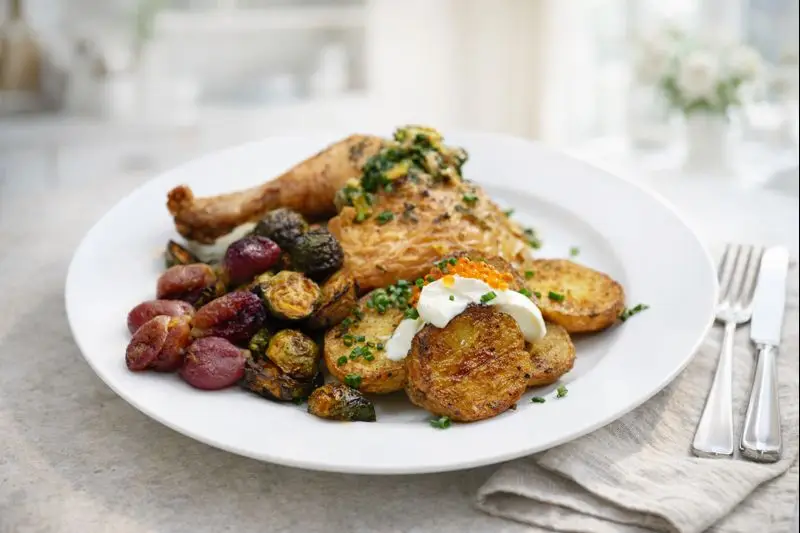
The Best Roasted Chicken Recipe starts with Choosing the Right Bird
Roasted chicken is one of those dishes that feels so familiar it’s easy to underestimate. It shows up on Sunday tables, in weeknight rotations, and in restaurant kitchens where restraint is often the quiet flex. But for something so simple, roast chicken is remarkably honest—there’s nowhere to hide. Which is why the bird you start with matters more than almost anything that comes after.
The most common option, the standard grocery store chicken, is usually “enhanced” with a saline solution. This added liquid helps the meat stay juicy and keeps costs down, making these birds affordable and widely available. They’re forgiving and dependable, which is part of their appeal. The tradeoff is flavor and texture: the meat can be slightly watery, the seasoning less precise, and the final result pleasant but rarely memorable.
Air-chilled chickens offer a noticeable upgrade. Instead of being submerged in water after processing, they’re chilled with cold air, which means less retained moisture and better overall texture. The flavor is cleaner, the skin browns more readily, and the finished roast is far more likely to deliver the crisp, golden skin most of us are chasing. They cost more than standard grocery birds, but the improvement is immediate and hard to ignore.
Then there are heritage and pasture-raised chickens from local farms. These birds grow more slowly, develop firmer muscle, and carry a deeper, more pronounced chicken flavor. They’re typically smaller and more expensive, and they demand a bit more attention in the oven. But when treated with care, they reward you with a roast chicken that feels intentional—something you’d happily serve to guests without explaining yourself. As Nancy Silverton puts it, “a well sourced ingredient gets you 75% of the way there.” With chicken, that remaining 25% is mostly just not messing it up.
Why We Spatchcock
Spatchcocking a chicken—removing the backbone so it can lie flat—solves one of roast chicken’s biggest problems: uneven cooking. Flattening the bird allows the breast and dark meat to reach doneness at roughly the same time, which means juicy white meat and properly cooked thighs without compromise. It also shortens cooking time and improves browning across the board.
When you spatchcock, don’t discard the backbone, neck, or any trimmed skin or fat. These pieces are valuable building blocks for stock or schmaltz, and they freeze beautifully. A good roast chicken doesn’t end when dinner is over—it quietly sets you up for the next one.
Dry Brining: Seasoning That Actually Goes Somewhere
If spatchcocking improves how the chicken cooks, dry brining improves how it tastes. This method relies on a simple mixture of salt and baking powder—two parts salt to one part baking powder—with optional additions like garlic powder or freshly ground black pepper.
The salt penetrates deep into the meat, seasoning it all the way through rather than just on the surface. It also alters the protein structure, helping the chicken retain moisture as it cooks. The baking powder, a technique popularized by Kenji López-Alt, raises the pH of the skin, encouraging better browning and crispness in the oven. It’s a small amount with a big payoff.

A typical 3½- to 4-pound chicken only needs one portion of this dry brine. Larger birds, such as turkey, can simply scale the same ratio upward—double it, triple it, keep the proportions intact. After seasoning, the chicken rests uncovered in the refrigerator for up to 24 hours. This air-drying step is intentional and essential, setting the stage for truly crisp skin.
When the bird comes out of the refrigerator, it should be patted thoroughly dry. This final wipe-down removes surface moisture and explains why the brine is generously salted—the seasoning has already done its work inside the meat.
Butter, Herbs, and a Little Restraint
Preparing the chicken for roasting doesn’t require much. Two tablespoons of softened butter rubbed over the skin provide richness and encourage browning. A scattering of freshly chopped herbs—parsley, rosemary, thyme, and oregano—adds fragrance without overwhelming the bird itself.
Woody herbs like rosemary, thyme, and oregano should be finely chopped to release their oils and prevent burning. Softer herbs can be treated more casually. This is roast chicken, not a pop quiz.
I'm not a fan of burnt rosemary tips so I do a little trick to make sure I can get my herbs ground down and well integrated. If you have a spice grinder or food processor go ahead and use that but I like to do a slight chop to the rosemary (when you dry chop those little suckers bounce all over your cutting board and make a huge mess so only a prelimary chop at this point). I then add all the leaves to my mortar and pestle, sprinkle with a little salt to act like sand paper, and grind them down until moisture starts to release. It can take a few minutes but I like the zen nature of the activity. I then take them out of the grinder and do a final chop - no bouncing rosemary leaves and no burnt tips.
Temperature Is Not a Guessing Game
Roast chicken rewards confidence, but it doesn’t reward guesswork. A thermometer is essential for getting the bird out of the oven at exactly the right moment. Roasting at 400°F, the chicken should be pulled when the thickest part of the breast reaches 155–160°F. Carryover cooking—the gentle rise in temperature that continues after the bird is removed—will bring it safely to 165°F while keeping the meat juicy.
The position in your oven also matters. If the bird is too close to the heating element the top breast will roast too fast and develop a darker color - and lose moisture. Try to position the rack more towards the bottom of the oven to get an even roasting and all over delicious golden brown.
Trust the thermometer. It’s the calm, reliable presence roast chicken needs.
Final Thoughts (Don’t Wing It)
Roasted chicken is humble, comforting, and endlessly satisfying—but it rewards attention to detail. Choose the best bird you can afford, season it properly, and trust the process. Do that, and you’ll have a roast chicken worth crowing about.
(Sorry. Had to.)
At the end of the day, roast chicken isn’t about tricks or trends. It’s about choosing well, seasoning with intention, and trusting the process. Do that, and you’ll have a bird worth gathering around—no fowl play required.
Roasted Chicken Recipe
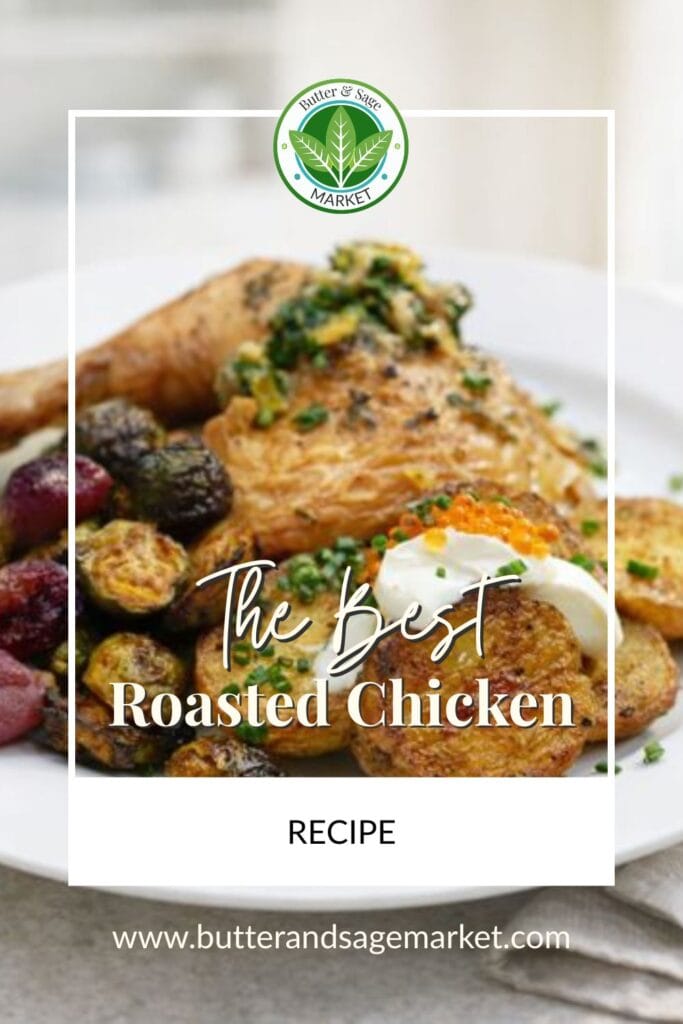
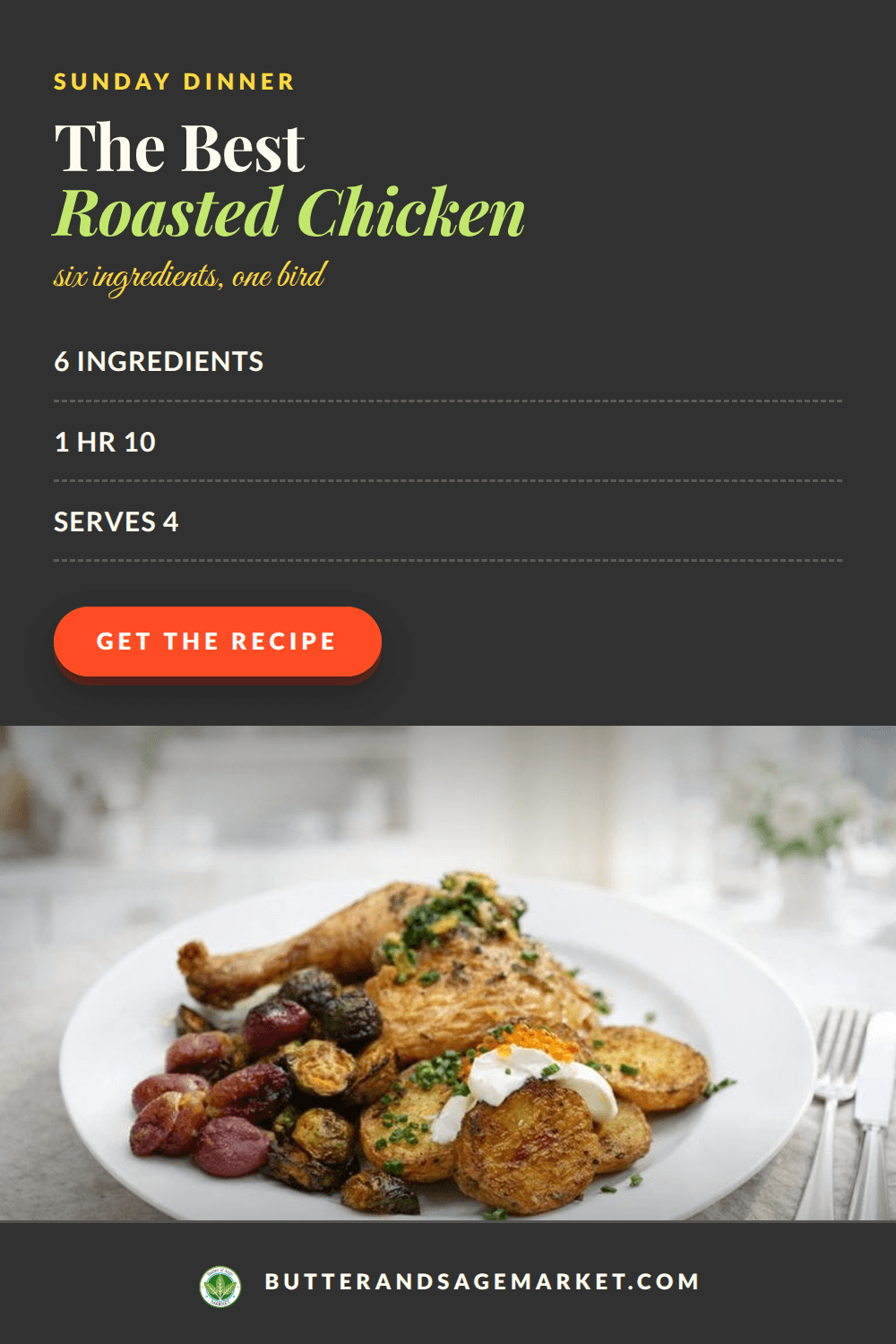
Crispy skin, juicy meat, and a roast chicken that actually tastes like chicken. This recipe breaks down how to choose the right bird, why dry brining makes all the difference, and how spatchcocking ensures even cooking every time. Simple, classic, and just a little smug once it comes out of the oven.
Ingredients
Dry Brine:
Instructions
Spatchcock the Chicken
- Using kitchen shears, remove the backbone by cutting along both sides of the spine. Flip the bird over and press firmly on the breastbone until it lies flat. Save the backbone and any trimmings for stock or schmaltz.
Dry Brine
- Mix salt, baking powder, and optional seasonings. Sprinkle evenly over the entire chicken, including under the skin where possible.
- Air-Dry
- Place the chicken on a rack set over a sheet pan and refrigerate uncovered for 24 hours.
Preheat & Prep
- Preheat oven to 400°F. Remove chicken from fridge and pat very dry with paper towels.
Butter & Herbs
- Rub the chicken all over with butter, then sprinkle evenly with chopped herbs.
Roast
- Roast until a thermometer inserted into the thickest part of the breast reads 155–160°F, about 40–50 minutes depending on size.
Rest
- Let the chicken rest for 10 minutes. Carryover cooking will bring it to a safe 165°F.
Carve & Serve
- Serve proudly. Accept compliments graciously. Pretend it wasn’t this easy.
Video

Keep reading
More from the market
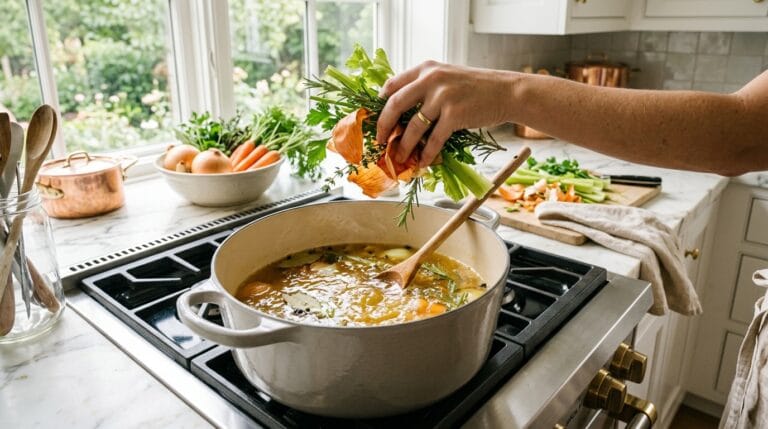
How to Make Stock from Your Market Scraps (The Free Ingredient in Your Freezer)
A bag in the freezer, filled with onion ends and carrot tops, becomes the best ingredient in your kitchen for free. What…
Read more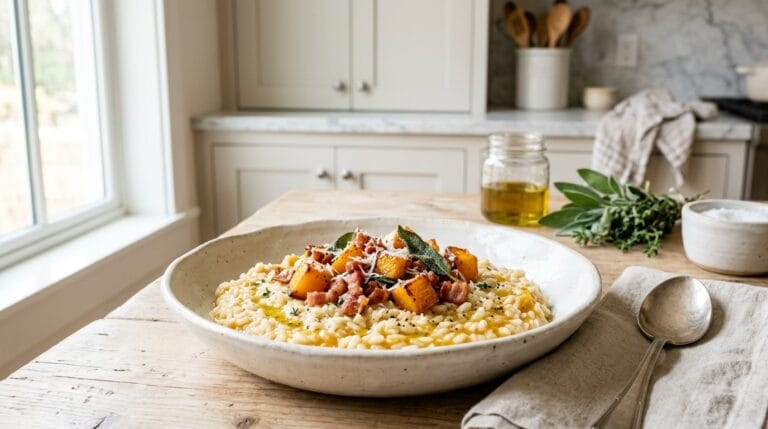
Butternut Squash Risotto with Crispy Pancetta
Half the squash melts into the rice, half stays roasted and whole. The two-texture trick that stops butternut risotto tasting like sweet…
Read more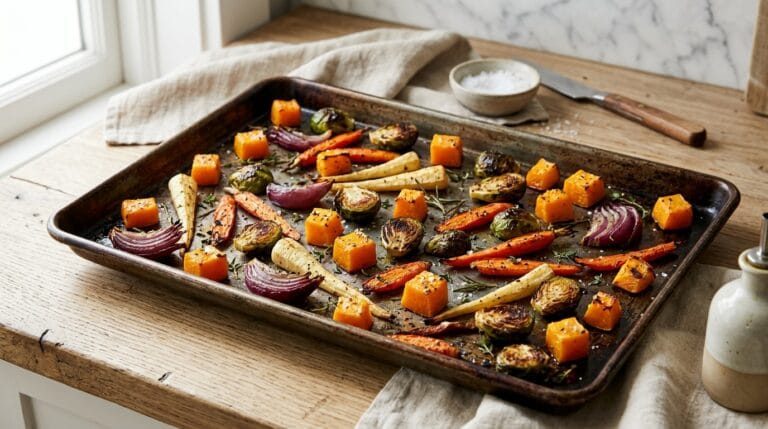
How to Roast Any Vegetable (One Method, Your Whole Market Haul)
One temperature, one pan, three rules that decide everything. Timings for the whole fall market table, and the crowding mistake that steams…
Read more