
Cooking with Ratios: The Science Behind Every Recipe
Cooking and baking don’t have to rely on rigid recipes. In this in-depth guide to common cooking and baking ratios, you’ll learn how professional chefs and seasoned home cooks build recipes from simple ingredient relationships. From bread dough and cakes to sauces, vinaigrettes, and condiments, this article breaks down the foundational ratios behind everyday dishes—so you can cook with confidence, adapt recipes to your taste, and create meals using what you already have on hand. Perfect for beginner cooks, curious bakers, and anyone who wants to understand why recipes work, not just how to follow them.
 1 min read
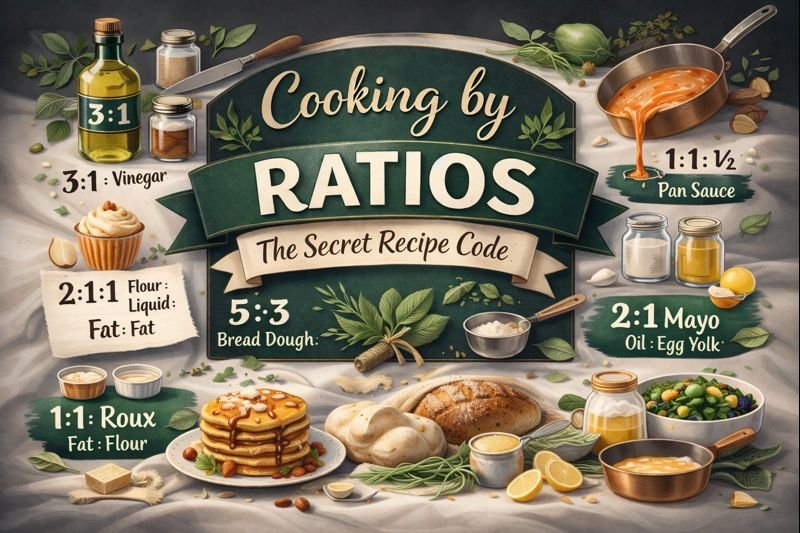
Most recipes aren’t unique snowflakes. They’re more like cover songs.
Sure, the lyrics change—lemon instead of vinegar, butter instead of oil—but the melody underneath stays the same. That melody is a ratio. Cooking with ratios gives you freedom - freedom to create from what's available, to change a recipe to fit your liking and to come up with new ideas and break away from monotony.
Understanding ratios means you’re no longer memorizing recipes. You’re recognizing patterns. You start seeing that pancakes, muffins, and quick breads are siblings. That salad dressings all follow the same basic math. That sauces aren’t mysterious—they’re just organized.
Let’s break down the most common ratios you’ll see in baking and cooking, starting with dishes you already recognize and slowly pulling back the curtain.
Baking Ratios: Familiar Treats, Same Building Blocks
If you’ve ever made pancakes, cookies, muffins, or cake, congratulations—you’ve already cooked with ratios. Baking recipes look precise, but most baked goods are small variations on a few foundational structures.
Once you know those structures, you understand why one cake is fluffy and another is dense, or why one cookie spreads and another stays thick.
1. Pancakes, Waffles, Muffins & Quick Breads
(The “Breakfast-to-Brunch” Ratio Family)
Think of:
Pancakes
Waffles
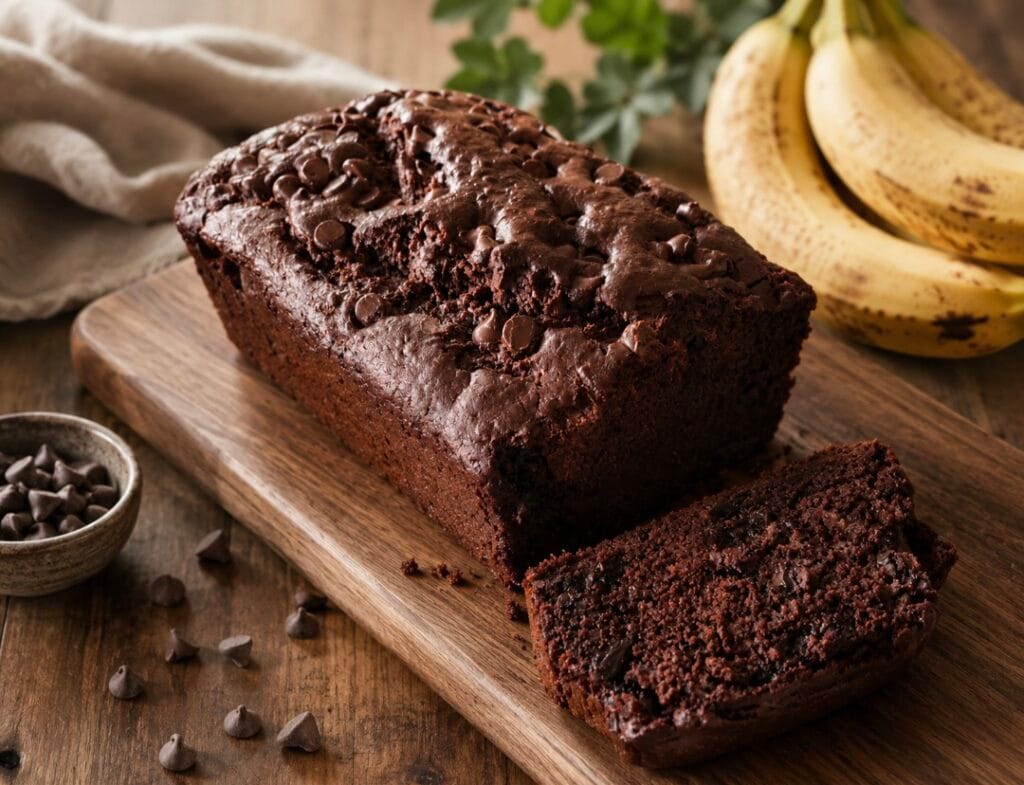
Banana bread
Blueberry muffins
Zucchini bread
All of these live in the quick bread family. They’re leavened with baking powder or baking soda, not yeast, and rely on eggs and liquid for structure and moisture.
Common Ratio:
2 flour : 2 liquid : 1 egg : ½ fat
Variations you’ll recognize:
Waffles add more fat (crispier)
Muffins use less liquid (sturdier)
Banana bread swaps some liquid for fruit purée
Yogurt or buttermilk adds tang and tenderness
Once you know this ratio, you can:
Swap milk for plant milk
Add citrus zest or spices
Fold in fruit, nuts, or chocolate
…without fear.
2. Cookies, Cakes & Desserts
(Why Brownies Aren’t Just Flat Cake)
Cookies, cakes, brownies, and bars all feel different—but they’re built from the same few ingredients in different proportions.
Cookies:
3 flour : 2 fat : 1 sugar
Cakes:
1 flour : 1 sugar : 1 fat : 1 egg
What changes in real life:
More fat → softer, richer texture
More sugar → crisp edges, moisture, browning
More eggs → structure and lift
This explains why:
Shortbread is crumbly
Brownies are dense
Pound cake is… well, pound cake
Same ingredients. Different math.
3. Bread Dough
(Pizza, Focaccia, Boules—All Related)
Bread feels intimidating, but underneath the kneading and rising is one simple idea: hydration.
Basic Bread Ratio:
5 flour : 3 water
From here, you’ll see familiar variations:
Pizza dough (slightly wetter)
Focaccia (much wetter, more oil)
Sandwich bread (fat and sugar added)
Rustic loaves (lean, just flour, water, salt, yeast)
Understanding this ratio helps you recognize why:
Sticky dough isn’t wrong
Dry dough won’t rise well
Different flours absorb water differently
Cooking Ratios: Structure Without Strict Rules
Cooking ratios show up in everyday foods—rice, pasta, soups, and braises. These ratios give you guardrails, not handcuffs.
4. Grains & Starches
(Rice, Quinoa, Polenta, Risotto)
If you’ve ever wondered why rice sometimes turns out mushy—or crunchy—this is why.
Common Ratios:
| Dish | Ratio |
|---|---|
| White rice | 1 grain : 2 water |
| Brown rice | 1 : 2.5 |
| Quinoa | 1 : 2 |
| Polenta | 1 : 4 |
| Risotto | 1 : 3–4 (added gradually) |
Variations you’ve eaten:
Creamy risotto vs fluffy pilaf
Thick polenta vs pourable
Coconut rice (fat added)
Same grains. Different liquid management.
5. Brines & Marinades
(Why Restaurant Chicken Is So Juicy)
That impossibly juicy chicken breast? It was probably brined.
Basic Brine Ratio:
1 tablespoon salt : 1 cup water
Variations include:

Sugar added for balance
Herbs and spices for aroma
Citrus zest or garlic for flavor
Once you know this ratio, brining becomes a habit—not a recipe.
Sauce Ratios: The Secret to “Restaurant Flavor”
Sauces intimidate people because they feel technical. In reality, sauces are just fat + flavor + liquid, arranged with intention.
6. Roux-Based Sauces
(Mac and Cheese, Gravy, Cream Sauces)
If you’ve eaten:
Cheese sauce
Gravy
Creamed vegetables
Alfredo-adjacent dishes
You’ve eaten a roux-based sauce.
Roux Ratio:
1 fat : 1 flour : 10 liquid
Liquid options result in different sauces:
Milk → Béchamel
Stock → Velouté
Adding options to those base sauces (also known as a mother sauce) result in other well known options. For example adding cheese to Béchamel results in a Mornay sauce.
Thickness changes based on how much liquid you add—not the roux itself. 10 parts liquid is typical, but you can add more or less to change the consistency.
7. Pan Sauces
(The Thing Chefs Make After Cooking Meat)
That glossy sauce spooned over steak or chicken? That’s a pan sauce.
Classic Ratio:
1 fat : 1 aromatics : ½ liquid : ½ enrichment
Examples:
Butter, shallots, wine, cream
Olive oil, garlic, stock, cold butter
Once you recognize this structure, pan sauces stop being magic tricks. I use these often for quick week night meals with great flavor. 2 tablespoons of my chosen fat, sauté an onion or shallot, add garlic and herbs, deglaze with 1/2 cup of wine and reduce til gone, then add 1 cup of stock and reduce by half, finish with a few tablespoons of cream or cold butter. For chicken I might mix in a few tablespoons of brandy in place of the wine and add some mustard towards the end as an emulsion. For pork or fish I might add a dash of vinegar.
Salad Dressings & Condiments: Ratios You’ll Use Weekly
8. Vinaigrettes
(Almost Every Salad Dressing Ever)
If you’ve had:
Balsamic vinaigrette
Lemon dressing
Red wine vinaigrette
You’ve tasted this ratio.
Vinaigrette Ratio:
3 oil : 1 acid
Common variations:
Mustard for emulsification
Honey or maple syrup for sweetness
Yogurt or tahini for body
Once you learn this, bottled dressing feels… optional.
NOTE: 3 to 1 ratio in dressings is common, but variations exist based on preference. I prefer a 2 part oil to 1 part acid as I don't like the mouth feel of overly oiled dressings. Depending on the type of acid I sometimes even go for 1:1 ratio. Learn what you like and you'll be making every salad dressing you could ever imagine.
9. Mayonnaise, Aioli & Emulsions
(Creamy Without Cream)
Mayo, aioli, and many creamy sauces rely on emulsification—not dairy.
Ratio:
2 oil : 1 egg yolk
Add:
Acid
Salt
Flavorings
Understanding this explains:
Why mayo breaks
How to fix it
Why aioli feels fancy but isn’t complicated
10. Herb Sauces & Pestos
(Chimichurri, Pesto, Green Sauces Everywhere)
Across cuisines, herb sauces follow the same idea.
Ratio:
2 herbs : 1 oil : ½ nuts : ½ cheese
Variations you’ve seen:
Basil pesto
Parsley-walnut pesto
Cilantro chimichurri
Arugula pesto
Different accents. Same backbone.
Garnishes & Finishing Touches: Small Math, Big Impact
11. Crunchy Toppings
(Breadcrumbs, Nut Mixes, Crispy Bits)
Crunchy garnishes aren’t random—they’re balanced.
Ratio:
2 crunch : 1 fat : 1 seasoning
This keeps toppings:
Toasted, not greasy
Flavorful, not overpowering
Why Learning Ratios Changes Everything
Ratios teach you:
How recipes are created
Why substitutions work (or don’t)
How to cook confidently without exact measurements
Recipes tell you what to do.
Ratios tell you how things work.
Trusted Resources & Chefs
Books
Ratio – Michael Ruhlman
https://ruhlman.com/ratio/Salt, Fat, Acid, Heat – Samin Nosrat
https://www.saltfatacidheat.com/
Chefs & Educators
Samin Nosrat – https://www.samin-nosrat.com/
J. Kenji López-Alt – https://www.seriouseats.com/
Alton Brown – https://altonbrown.com/
Final Thought
When you understand ratios, you stop asking:
“Do I have the recipe?”
And start asking:
“What do I feel like making?”
That’s when cooking stops being stressful—and starts being fun.


Keep reading
More from the market
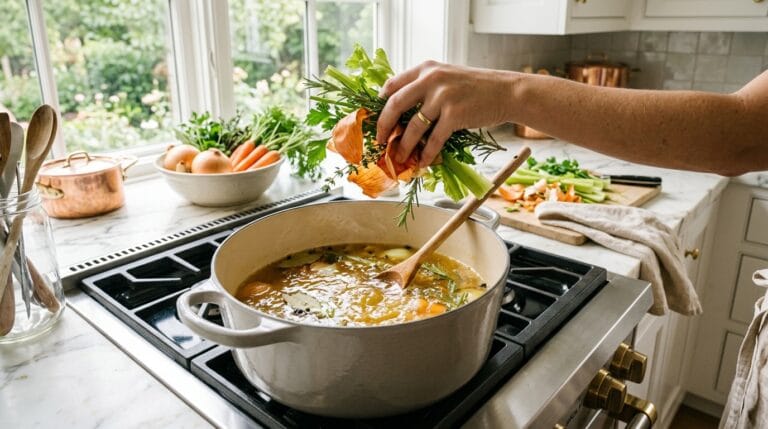
How to Make Stock from Your Market Scraps (The Free Ingredient in Your Freezer)
A bag in the freezer, filled with onion ends and carrot tops, becomes the best ingredient in your kitchen for free. What…
Read more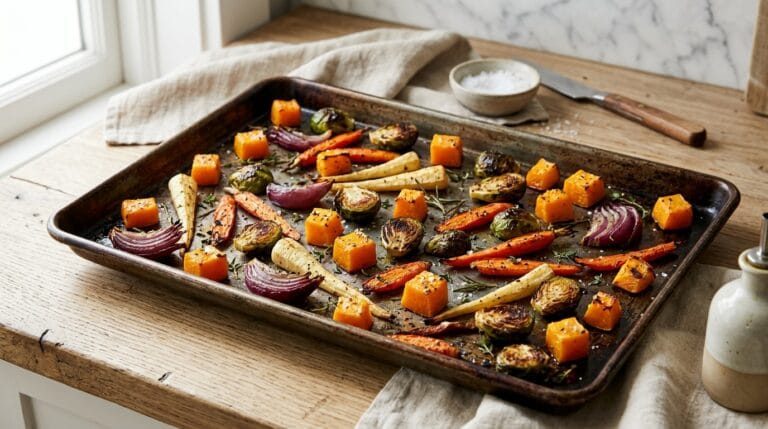
How to Roast Any Vegetable (One Method, Your Whole Market Haul)
One temperature, one pan, three rules that decide everything. Timings for the whole fall market table, and the crowding mistake that steams…
Read more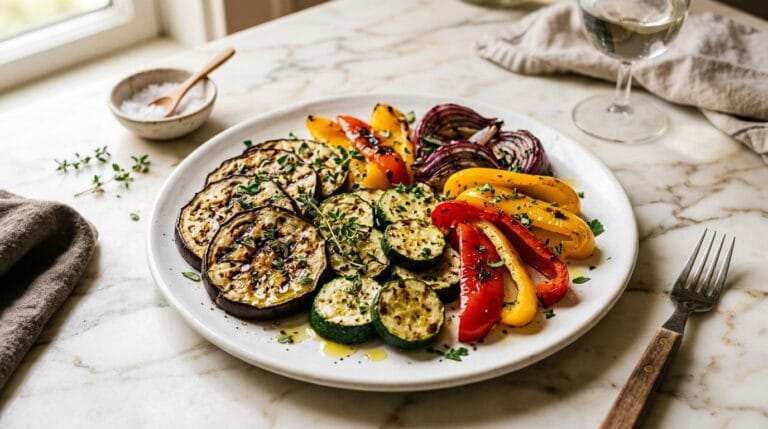
How to Grill Summer Vegetables (Eggplant, Zucchini, Peppers & More)
Grilling turns a farmers market vegetable haul into the best part of dinner. Here's how to grill eggplant, zucchini, peppers, and onions…
Read more