Cottage Food vs. Commercial Kitchen: Which Is Right for Your Food Business?
Not sure whether to stick with cottage food or upgrade to a commercial kitchen? Here's the honest framework — costs, growth ceilings, and the 5 signs it's time to make the jump.
 1 min read
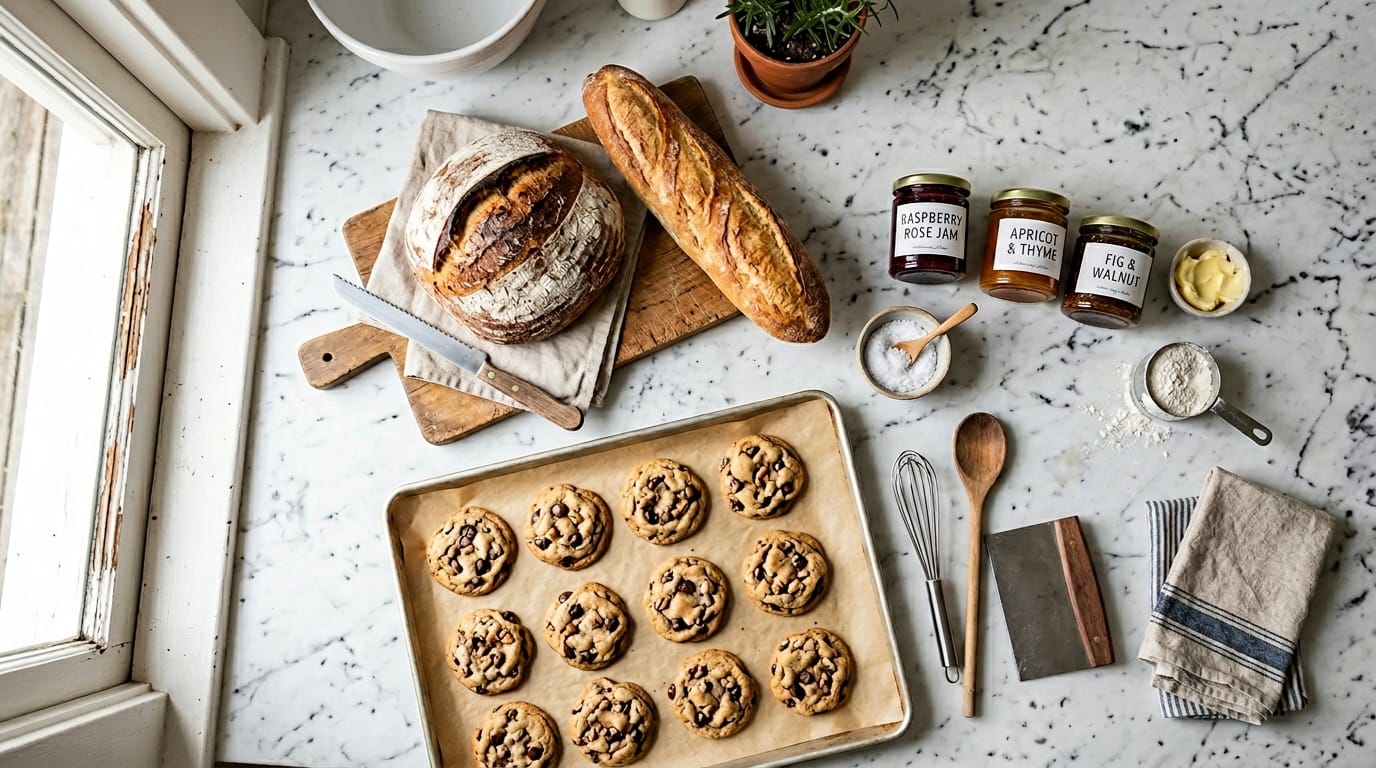
You started baking for fun. Then someone tried your lemon bars and said "you should sell these." Now you're elbow-deep in a cottage food operation, and somewhere between your fourth batch of cookies on a Tuesday night and your third conversation about sales limits, you've started wondering: is it time to get a real kitchen?
Maybe. Maybe not. Let's talk it through — because this is one of the most important decisions a cottage food vendor makes, and the answer isn't the same for everyone.
What's the actual difference between cottage food and a commercial kitchen?
Cottage food lets you make and sell certain homemade food products from your own home kitchen — no commercial license required. Most states allow shelf-stable products (baked goods, jams, granola), set a sales cap somewhere between $25,000 and $250,000 per year, and specify where you can sell (farmers markets, direct-to-consumer, sometimes online). The trade-off for all that simplicity? You're working within limits.
A commercial kitchen — whether you own it, rent it from a commissary by the hour, or use a shared kitchen space — removes most of those limits. Suddenly you can make TCS (temperature-controlled for safety) products like cheesecake and cream cheese frosting. You can wholesale to grocery stores in states that allow it. You can sell in volume without a cap. The ceiling goes away. So does the low overhead.
The case for staying cottage food longer than you think
Renting commercial kitchen space typically runs $15–$25 per hour, or $250–$1,250 per month for a regular block. That's a meaningful chunk of revenue for a business doing $2,000–$3,000 a month. Add a food business license, liability insurance upgrades, and the administrative overhead of commercial compliance — and you're looking at real costs before you've baked a single extra cookie.
Here's the honest math: if your state's cottage food cap is $75,000 and you're doing $30,000 a year, you have room to grow. If your cap is $25,000 and you hit it in October — and turn away December holiday orders because of it — that's a very different story.
Most vendors are better served by maximizing their cottage food operation first. Build your customer base, dial in your pricing, nail your production systems. Then make the jump when the numbers actually demand it.
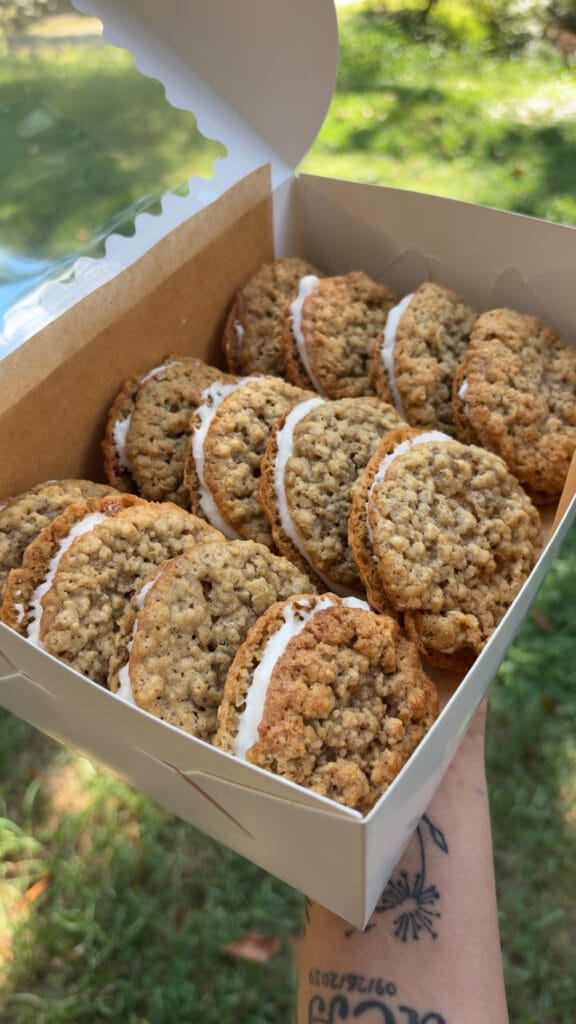

Five signs it's time to graduate to a commercial kitchen
1. You hit your state's sales cap before the year ends. If you're regularly leaving revenue on the table because the law says stop, a commercial kitchen quickly pays for itself.
2. Your customers keep asking for products you can't legally make at home. Custom cakes with cream cheese frosting, meat pies, flavored cheesecakes — if TCS foods are your best sellers but your state doesn't allow them from a home kitchen, commercial is calling.
3. Wholesale is your business model. Only six states — California, Georgia, Hawaii, New York, Tennessee, and Texas — allow any form of cottage food wholesale, and even those have strict conditions. To sell to restaurants or grocery stores anywhere else, you need a licensed production facility.
4. You've outgrown your oven. If you're batching 200 cookies the night before market and still not meeting demand, you're not a hobby baker anymore. You're a food business that needs commercial equipment.
5. You want to ship nationally. Interstate cottage food sales are almost universally prohibited — your state exemption stops at the border. To ship across state lines legally, you need a licensed food production facility.
What if you're not ready to make the jump yet?
Good news: you might not have to. Several states have significantly expanded their cottage food laws in the last two years — higher caps, more allowed products, online sales, and in-state shipping. Alaska, Georgia, Indiana, and Michigan all passed meaningful expansions between 2024 and 2026.
If you're bumping up against limits, re-read your state's current law before assuming a commercial kitchen is your only option. A few hours of research might open up more room to grow than you realized.
And wherever you are in that journey — home kitchen, shared commissary, or full commercial buildout — the marketplace is ready for you.


Keep reading
More from the market
How to Get Your Baked Goods to Market Without Wrecking Them
Cakes slide, frosting sweats, cookies go soft in the car. The crates, timing and packing order that get your bakes to the…
Read more
How to Store Root Vegetables and Winter Squash So They Last Until Spring
Potatoes, squash, carrots and onions will keep for months if you get a few things right. What each one wants, and the…
Read more
What to Do With Unsold Stock When the Market Season Ends
The last market of the season ends with a car full of what did not sell. Here is how to turn that…
Read more