Imposter Syndrome Is Lying to You: A Pep Talk for Cottage Food Vendors
Every cottage food vendor feels it — that voice saying you're not good enough. Here's the truth about imposter syndrome in the food business, and how to push through it.
 1 min read
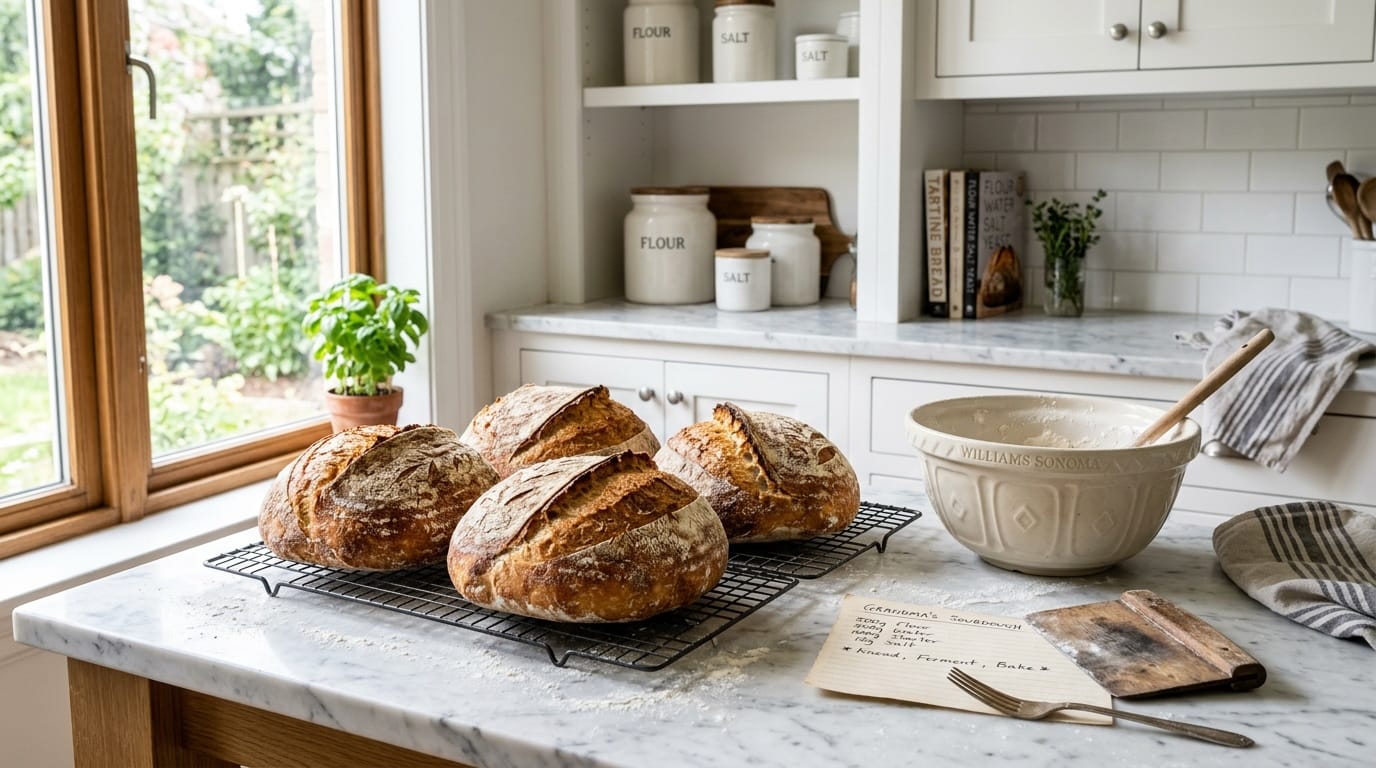
It happens to almost every cottage food vendor at some point. You're standing at your market booth, watching someone pick up your jar of honey or your box of cookies, and that voice starts up: Who am I to be charging for this? What if they think it's not worth it? What if they can tell I only started three months ago?
That voice has a name. It's called imposter syndrome, and it is spectacularly good at lying to you.
What Imposter Syndrome Actually Is
Imposter syndrome is the persistent feeling that your success is undeserved — that you're faking your way through and eventually someone is going to notice. It doesn't discriminate. Surgeons feel it. Published novelists feel it. And cottage food vendors — especially those just starting out — feel it with particular intensity, because your product is deeply personal. When you sell food you made with your own hands, using your grandmother's recipe or three years of your own experimentation, you're putting a piece of yourself on the table. Of course that feels vulnerable. That's not a sign something is wrong with you. That's a sign that you care.
The Five Lies Imposter Syndrome Tells Cottage Food Vendors
"I'm not trained, so I'm not qualified." The best cottage food businesses aren't built by culinary school graduates — they're built by home cooks who loved something enough to make it really, really well. Your customers don't care about your credentials. They care about what you just handed them being delicious.
"Someone else is already doing this better." There are a hundred sourdough bakers at a hundred farmers markets. There is exactly one you, with your story, your sourcing, and your particular way of doing things. Nobody buys from the "best" vendor. They buy from the vendor they connect with.
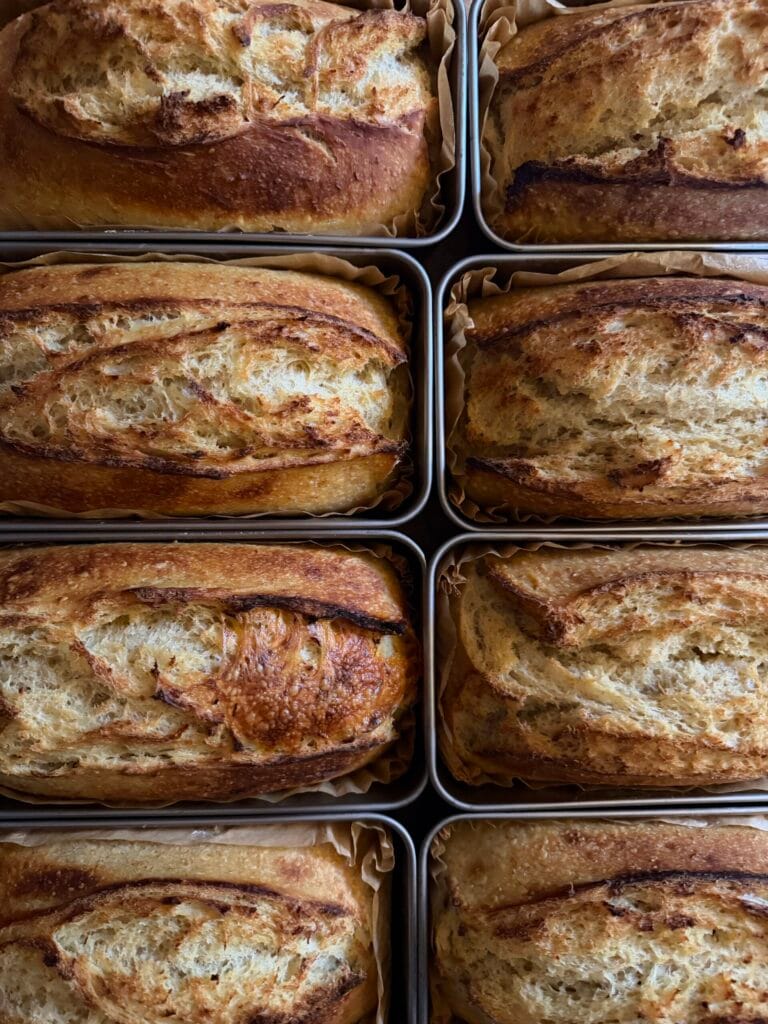
"If I raise my prices, people will know I'm a fraud." Underpriced products signal low confidence to buyers, not high value. Charge what your time and ingredients are worth. The people who love your product will pay it — and the ones who won't weren't your customers anyway.
"I should have more figured out by now." Most vendors who look polished from the outside are improvising. The difference between vendors who thrive and vendors who quit isn't that one group had it together sooner. It's that one group kept showing up anyway.
"My product isn't good enough yet." This is the one that keeps most people from ever starting. Perfect is not a prerequisite. Your third batch will be better than your first. Your tenth market will be better than your third. You get better by doing it, not by waiting until you feel ready.
What to Do When the Doubt Gets Loud
First: recognize it for what it is. Calling imposter syndrome by name takes some of its power away. When the voice starts up, try: "That's the imposter talking, not the actual evidence."
Then, look at the actual evidence. Did someone buy your product? Did they come back? Did they tag you in a photo? Did they send a message saying it was the best thing they've eaten in months? That's data. Data beats feelings every time. Keep a small folder — physical or digital — of good reviews, repeat orders, and photos customers send you. On the days when the doubt is loud, pull them out and read them.
And talk to other vendors. The cottage food community is one of the most generous in small business, and almost every experienced vendor has a story about almost quitting before something clicked. You're not alone in this, and you're not the only one who's felt like a fraud at the booth.
The Real Standard
Here's the one question that cuts through all the noise: did someone eat this and feel something? Did it make their morning better? Did it remind them of a memory or taste like summer or make them text a friend saying "I found the best jam"? If yes — you belong at that market. You belong in this business. The food business isn't gatekept by culinary credentials or startup capital. It's open to anyone who makes something worth eating and shows up consistently enough to find the people who want it. The imposter syndrome is lying. Keep going.
Keep reading
More from the market
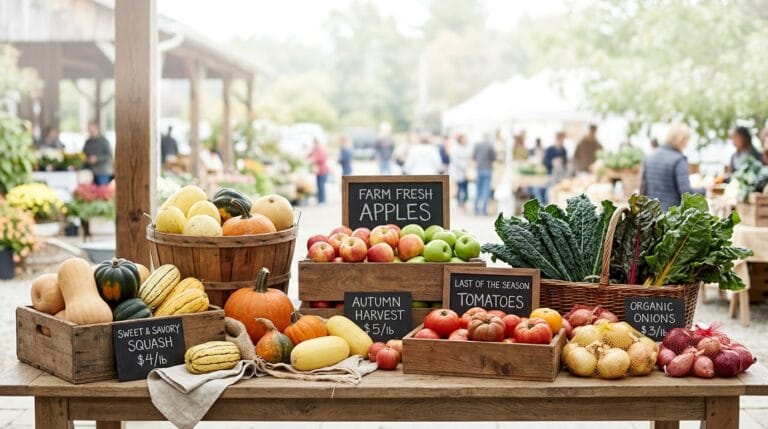
What’s at the Farmers Market in November? Your Late-Fall Shopping Guide
November farmers markets are smaller, colder, and sweeter than you expect. Here is what is in season, what frost improves, and what…
Read more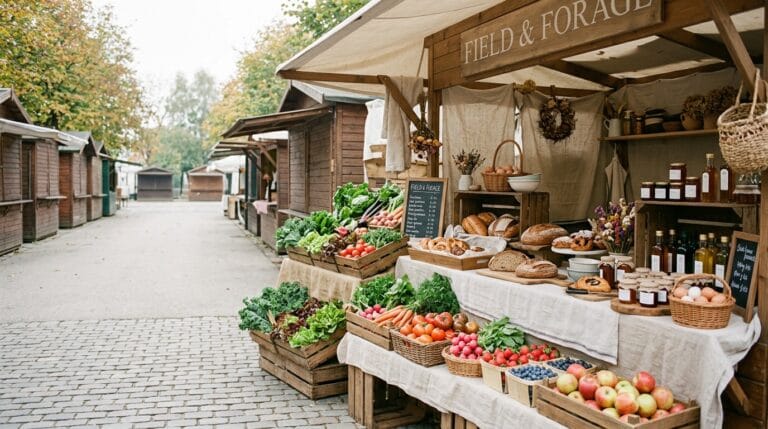
How to Survive a Slow Market Day (And Get Something Out of It)
Four hours, eleven customers, a full table. What to do with a dead market instead of scrolling, and how to leave with…
Read more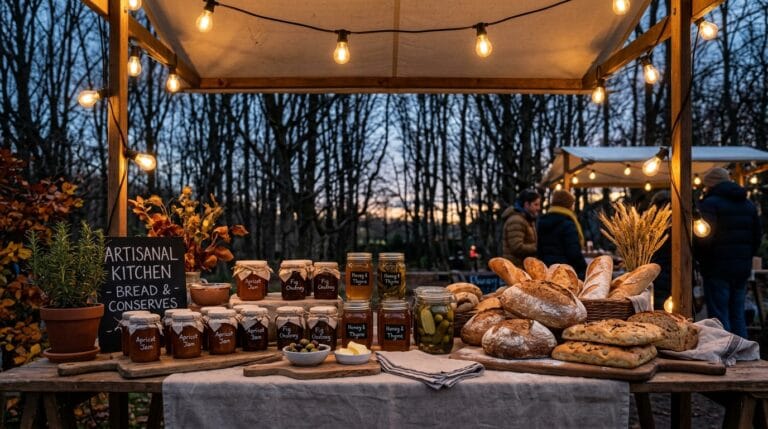
Cold-Weather Booth Setup: Wind, Light, and Days That End at Four
A booth built for August falls apart in November. What to change for wind, cold and a market that ends after dark…
Read more