How to Get Your First 10 Cottage Food Customers (Before, During, and After Your First Market)
Ready to make your first sale? Here's exactly how to find your first 10 cottage food customers — from pre-market buzz to the follow-up that keeps them coming back.
 1 min read
You've got your cottage food business set up. You've perfected your recipe. You've read every "how to start" guide you can find. And then you look up and realize: you don't actually have any customers yet.
Welcome to the most paralyzing moment in every new food vendor's journey — and the one nobody talks about honestly enough. Here's the real answer to where your first customers come from: they come from you, being a human person, talking to other human people, and making something good enough that they want to tell someone else.
Before Your First Market: Plant the Seeds
The week before your first market is not the time to go silent. It's the time to tell every single person in your orbit what you're doing. Post to your personal Facebook. Text your closest people. Announce it in your neighborhood Facebook group. Tell your book club. Tell the parents in the school pickup line. You're not spamming anyone — you're giving people a chance to support a neighbor they actually like. Most will be thrilled to come. Some will bring their friends. A few will text you for a pre-order before you even set up your booth. Let them.
A few things to have ready before market day: an email or text sign-up list (even a clipboard with a sheet of paper works), a simple business card with your name, what you sell, and how to order, and most importantly — samples. Free samples convert browsers into buyers more reliably than any sign you'll ever make. Budget for them. They pay for themselves on day one.
At the Market: Turn Browsers Into Buyers
Your first instinct will be to stand behind your table and wait for people to approach. Resist this. The vendors who consistently sell out are making eye contact, saying hello first, and offering a sample before anyone asks. You don't need a sales pitch. You need a story. "I started making this because..." is worth more than any feature list. Tell people where your ingredients come from. Tell them which flavor your kids fight over.
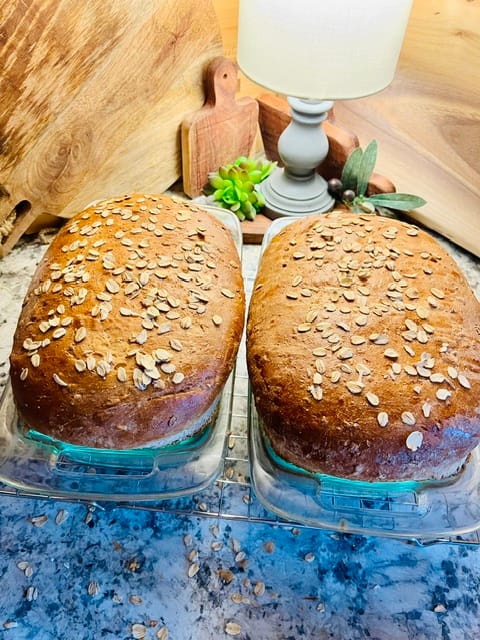
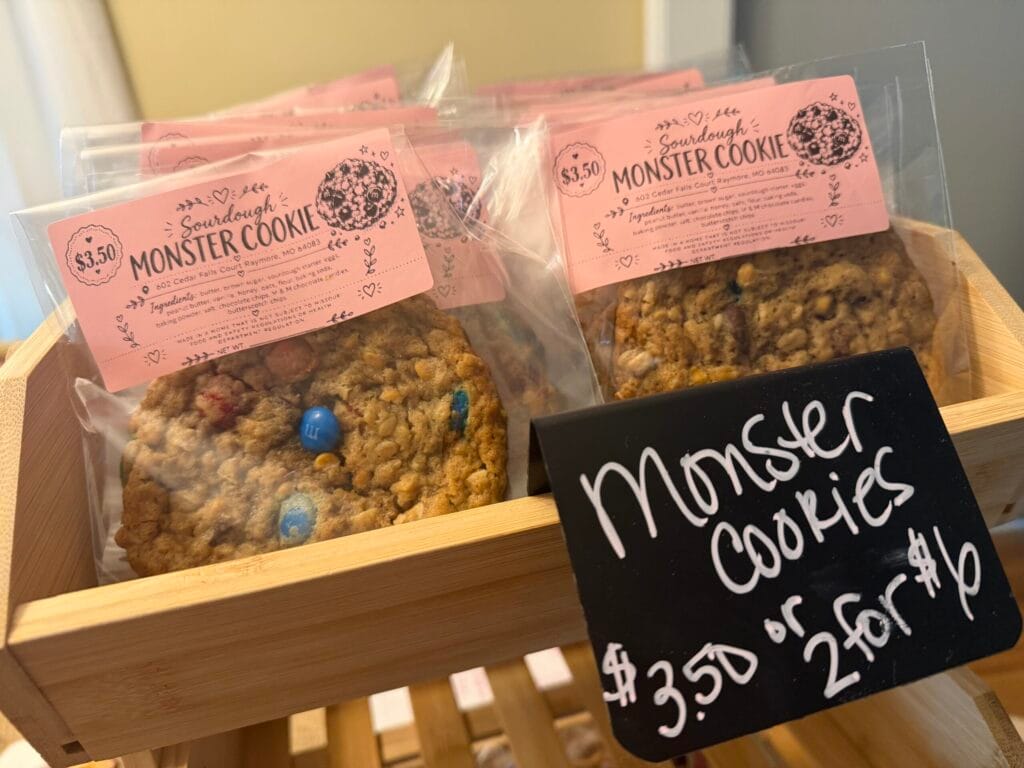
When someone buys, ask if they'd like to be on your text or email list for future markets and pre-orders. Most will say yes, especially if they loved what they bought. This is how you convert a first sale into a repeat customer.
After the Market: The Follow-Up That Works
That list you collected? Use it within 48 hours. Send a brief, genuine thank-you text or email to everyone who joined. Let them know when your next market is. If you have pre-orders open, mention it. Keep the tone like a text from a friend who happens to make excellent jam — warm and personal, not a marketing blast.
Also: ask your first buyers to share a photo if they enjoy the product. A friend sending a photo of your honey to their group chat does more for your business than a month of social media posts.
Getting Your First Online Orders
If you're selling online, your first orders won't come from search traffic — they'll come from people who already know you. Share your shop link in your personal network the same way you'd share a restaurant recommendation: casually, genuinely, specifically. "I finally listed my jam on Butter & Sage Market, if you want to grab a jar without coming to the market." Ask your first in-person buyers to leave a review. Even two or three honest reviews will move your conversion rate noticeably.
The Number That Actually Matters
Here's the truth: the goal isn't actually 10. The goal is one person who loved your product enough to tell someone else. When that happens — and it will — your list starts growing without you asking. One happy customer who shares a photo, leaves a review, or mentions you to a friend does the work of your entire first month of social media. You don't need to go viral. You need to make something good, show up, and give people a simple way to buy again.
Keep reading
More from the market
What’s at the Farmers Market in November? Your Late-Fall Shopping Guide
November farmers markets are smaller, colder, and sweeter than you expect. Here is what is in season, what frost improves, and what…
Read more
How to Survive a Slow Market Day (And Get Something Out of It)
Four hours, eleven customers, a full table. What to do with a dead market instead of scrolling, and how to leave with…
Read more
Cold-Weather Booth Setup: Wind, Light, and Days That End at Four
A booth built for August falls apart in November. What to change for wind, cold and a market that ends after dark…
Read more