
How to Start Selling Microgreens at the Farmers Market in 2026 (What to Grow, What to Charge, and What You Actually Need to Begin)
Microgreens are one of the most profitable crops you can sell at a farmers market. The real startup guide: $350 to begin, $18–25 per tray, and the grow-it-yourself edge.
 1 min read
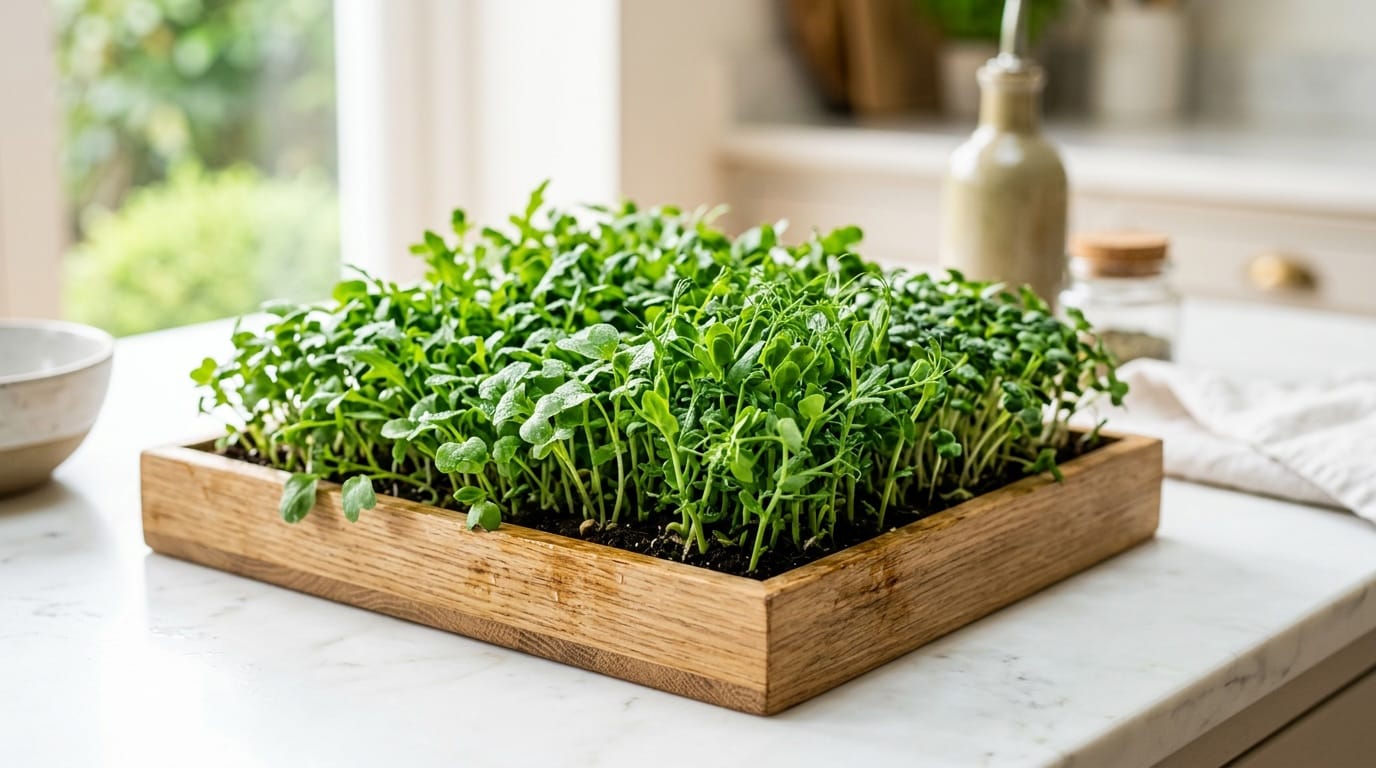
Walk through a farmers market on a June Saturday and you'll spot them: flat trays of vivid green, lacy, or deep purple shoots tucked between jam vendors and herb bundles. Microgreens — and the vendors selling them — are having a genuine moment. Fast to grow, minimal space required, strong margins, loyal weekly buyers. That's a rare combination.
Here's the honest guide to whether microgreens make sense for you, and how to start small without overcomplicating it.
Why Microgreens Work So Well at Farmers Markets
Microgreens hit a sweet spot that's genuinely hard to find. They grow fast — most varieties are ready in 8–12 days from seeding. They don't require land — wire shelving in a spare bedroom, garage, or basement works fine. And the margins are good: trays that cost $3–5 to grow can sell for $18–25 at the market.
The buyer profile is ideal. Microgreen shoppers are health-conscious, know what to do with what they're buying, and have a habit of coming back every single weekend. They're the "near me" local food buyer specifically seeking fresh, traceable produce — not a grocery store substitution. And occasionally, a restaurant owner walks by and becomes your most reliable wholesale account.
What to Grow First: Start With the Sure Sellers
Your first season is not the time to experiment. Start with the proven performers. Radish microgreens are the fastest-growing and most reliable seller — spicy, vivid red-veined, and visually striking. Sunflower shoots are thick and nutty, popular with buyers who want something substantial for salads and grain bowls. Pea shoots are sweet, tender, and beloved by chefs. Broccoli microgreens are the health-focused buyer's first choice, known for sulforaphane content.

Once you have two or three selling consistently, expand into specialty varieties: amaranth, basil microgreens, beet tops, or mixed trays that command premium prices.
What Does It Actually Cost to Start?
The barrier to entry is genuinely low. A functional bootstrap setup — one wire shelving unit, basic shop lights, first seed investment, trays, and growing medium — runs around $350. A mid-range setup with quality LED grow lights and room to grow 10–20 varieties comes in at $2,000–$5,000. You don't need a facility. Test two varieties in two trays. Nail the growing conditions. Then scale.
How to Price Microgreens at the Farmers Market
Current market rates run $2–4 per ounce for common varieties, with specialty varieties at $4–8 per ounce. In practical terms: a standard 4-oz clamshell at $8–12, a full tray at $18–25. Don't race to the bottom — microgreen buyers are quality shopping, not price shopping. Price confidently, explain your growing method, and offer samples. The conversion rate on microgreen samples is remarkably high.
The Repeat Customer Is Your Real Business Model
A customer who buys a $10 clamshell every week is worth $500 a year. Twenty-five of those customers buying twice a month puts you at $5,000 per month. Show up consistently, grow a consistent product, and give buyers a reason to seek out your table specifically. Answer "what do I do with these?" every week — because it's your best sales tool, and someone will ask every single Saturday.
Do You Need a License to Sell Microgreens?
Microgreens are a produce item — which means they typically fall outside cottage food law and into fresh produce regulations, which are often even simpler. In most states, fresh produce sold direct-to-consumer at farmers markets requires little to no licensing. Check your state's department of agriculture for current rules.


Keep reading
More from the market

How to Get Your Baked Goods to Market Without Wrecking Them
Cakes slide, frosting sweats, cookies go soft in the car. The crates, timing and packing order that get your bakes to the…
Read more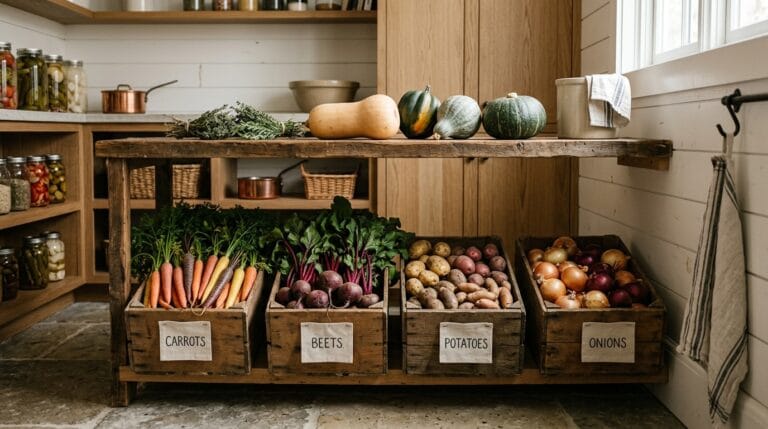
How to Store Root Vegetables and Winter Squash So They Last Until Spring
Potatoes, squash, carrots and onions will keep for months if you get a few things right. What each one wants, and the…
Read more
What to Do With Unsold Stock When the Market Season Ends
The last market of the season ends with a car full of what did not sell. Here is how to turn that…
Read more