Do You Charge Sales Tax at the Farmers Market? A Cottage Food Vendor’s Guide
Sales tax is the question every new market vendor gets stuck on. Here's a plain-language guide to figuring out whether you collect it — and how to keep it simple.
 1 min read
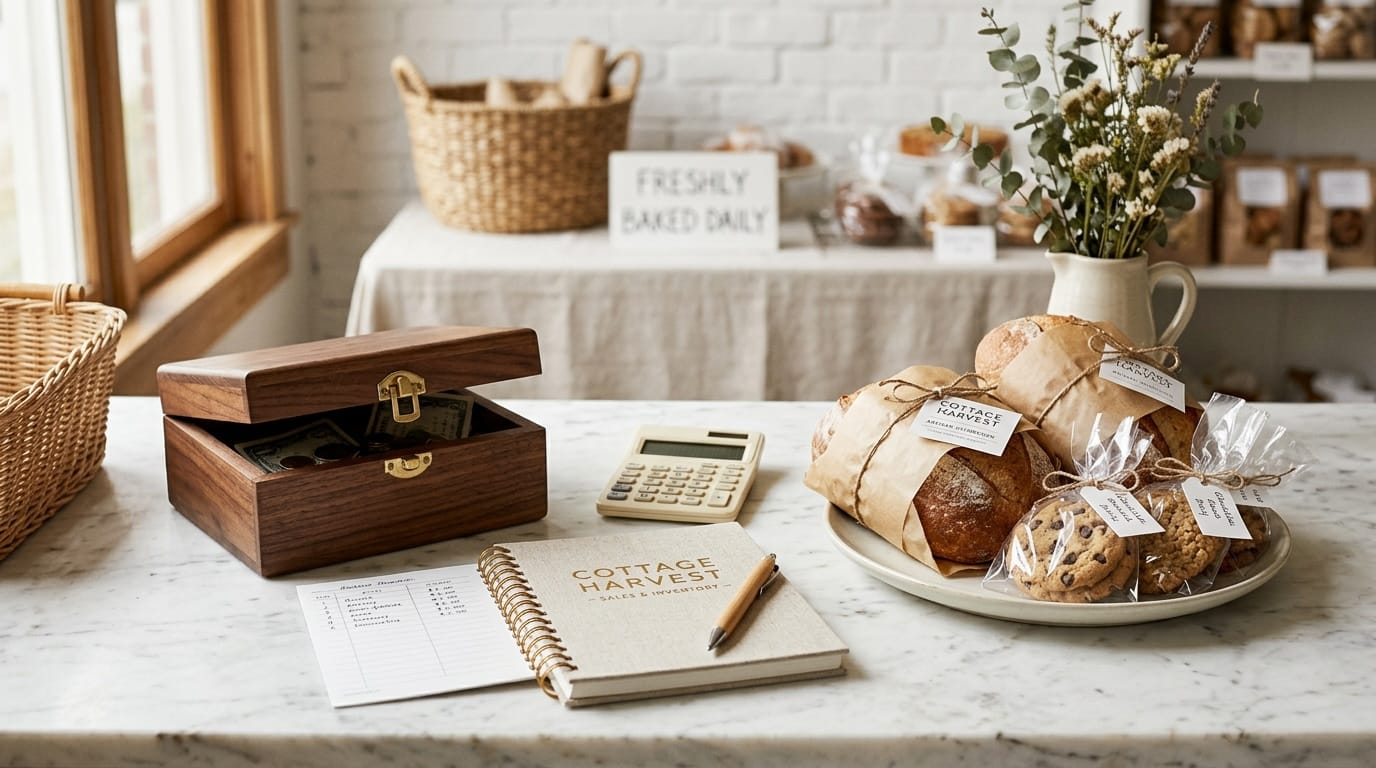
Nothing takes the wind out of a new food business quite like the phrase "sales tax." You just want to sell your cookies. Suddenly there's talk of permits and remittance and quarterly filings, and it all feels like a reason to not start. Take a breath. For most cottage food vendors, this is far more manageable than it sounds — you just need to know which questions to ask.
Quick and important note up front: sales tax rules are set by your state (and sometimes your city or county), and they change. This is a friendly map, not tax advice. When in doubt, a quick call to your state's department of revenue is free and surprisingly helpful.
The First Question: Is Your Food Even Taxable?
This is the one that trips people up. In many states, most grocery-type food is exempt from sales tax — but "prepared food" often isn't. Where you land depends on what you sell and your state's definitions. A loaf of bread or a jar of jam a customer takes home is frequently treated like groceries (often tax-exempt). A single cookie handed over to eat on the spot can be treated like prepared food (often taxable).
Because that line is drawn differently in every state, don't guess based on what a vendor two towns over told you. Look up your state's rule for "food sold by cottage food operators" or "prepared food," or ask your market manager, who has almost certainly fielded this exact question before.
If You Do Collect: Keep It Boringly Simple
If your products are taxable, the process has three plain steps. First, register for a sales tax permit (also called a seller's permit) with your state — this is usually free or low-cost and can be done online. Second, collect the correct rate at your booth. The cleanest approach for a busy market is to build tax into your sticker price so a cookie is a flat $3, not $2.78 plus math — just make sure your records reflect the tax portion. Third, file and remit on your state's schedule, whether that's monthly, quarterly, or annually.
The whole thing gets much easier when you keep a simple record of daily sales. A notebook or a phone spreadsheet is plenty when you're starting out. Your future self, sitting down to file, will thank you.
Don't Let This Be the Thing That Stops You
Here's the reassuring part: thousands of small food makers handle this every single weekend, and once you've set it up, it becomes routine. Register once, collect consistently, file on time, and it fades into the background of running your business. It is paperwork, not a wall.
The vendors who thrive aren't the ones who avoid the boring stuff — they're the ones who set it up early so it never becomes a crisis. Handle your tax question before your first market, and you get to spend the rest of your season doing the fun part: selling good food to your neighbors.

Got a tax question that's been nagging you? Bring it to the community — chances are another vendor in your state has already walked the same path.

Keep reading
More from the market
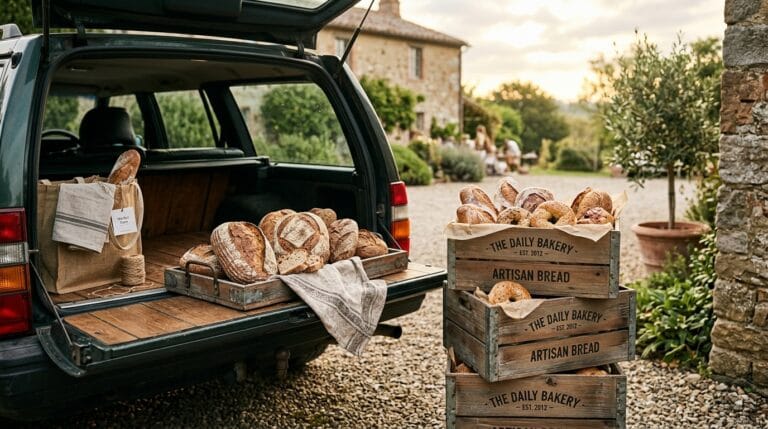
How to Get Your Baked Goods to Market Without Wrecking Them
Cakes slide, frosting sweats, cookies go soft in the car. The crates, timing and packing order that get your bakes to the…
Read more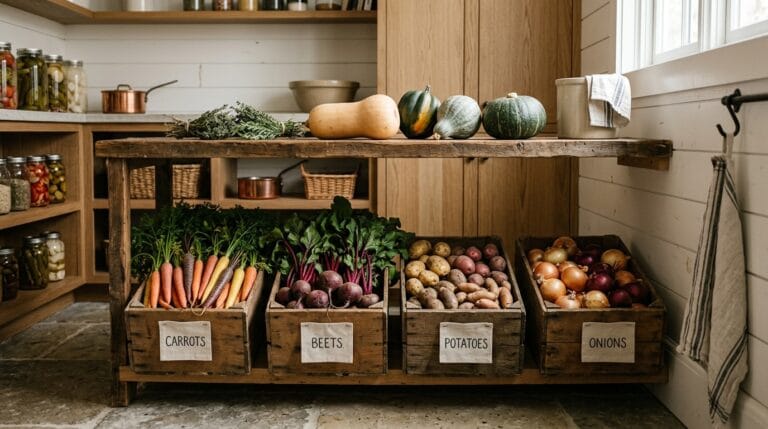
How to Store Root Vegetables and Winter Squash So They Last Until Spring
Potatoes, squash, carrots and onions will keep for months if you get a few things right. What each one wants, and the…
Read more
What to Do With Unsold Stock When the Market Season Ends
The last market of the season ends with a car full of what did not sell. Here is how to turn that…
Read more