
How to Pick the Best Tomatoes at the Farmers Market (An Heirloom Decoder for Peak Season)
Learn how to pick the best tomatoes at the farmers market — what heirloom varieties actually taste like, how to judge ripeness by feel, and why you should never refrigerate them.
 1 min read
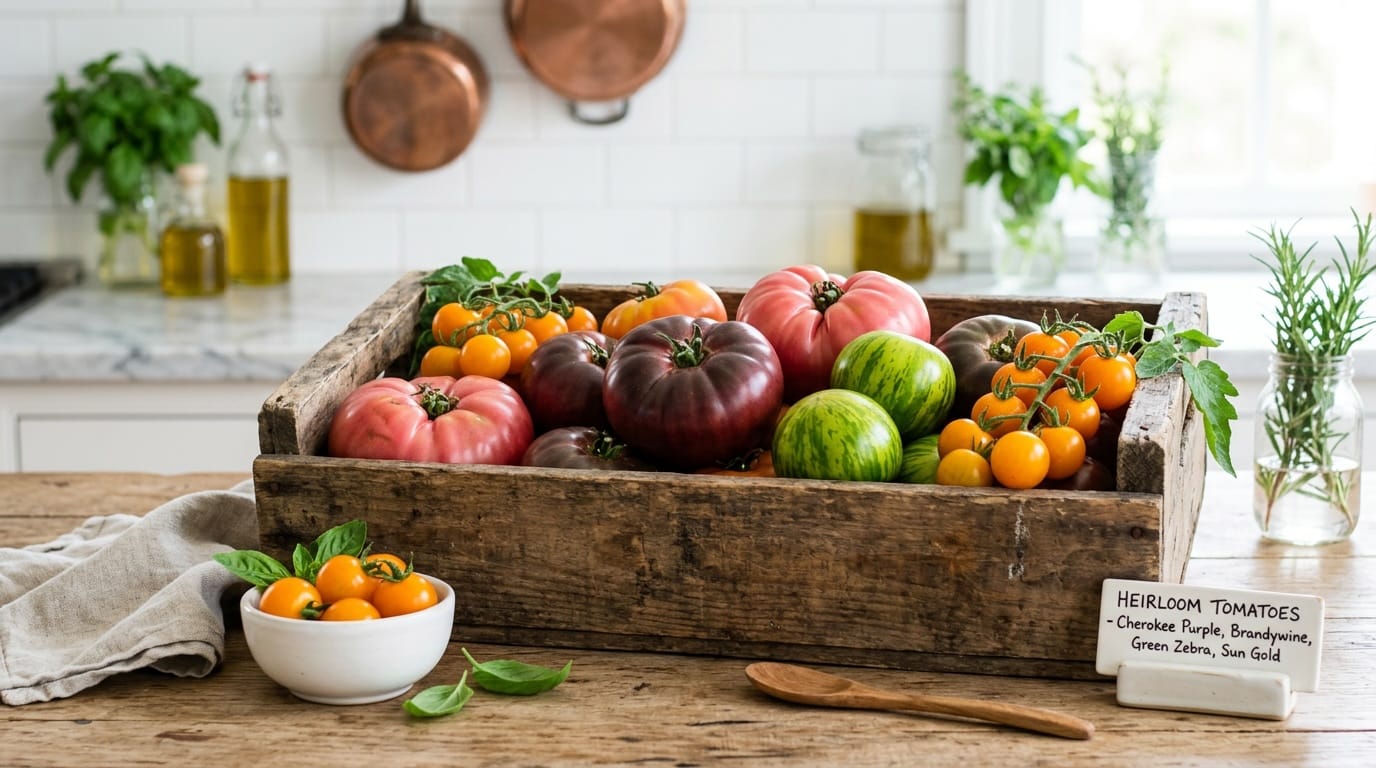
There's a table at every farmers market in late July that stops people cold. Tomatoes in colors that don't seem legal — deep purple-black, streaky green, sunset orange, one that's genuinely pink. Half of them are lumpy. A few have shoulders that look cracked. And there's a hand-lettered sign that says BRANDYWINE and another that says CHEROKEE PURPLE and you have absolutely no idea what any of it means.
Here's the decoder. Because right now, for about six weeks, tomatoes are the single best thing you can buy at a market — and the gap between a good one and a grocery store one is the widest gap in all of produce.
How to Judge a Tomato Without Squeezing It to Death
Growers can always tell who's about to bruise the whole crate. Do this instead.
Use weight, not color. Pick up two tomatoes of about the same size. The better one is noticeably heavier — that's water content, sugar, and flesh instead of air. This single trick will do more for you than anything else on this list.
Feel with your whole palm. Cup it, don't pinch it. A ripe tomato gives slightly and evenly, like the pad of your thumb. Rock hard means it was picked early. Squishy in one spot means it's already going.
Smell the stem end. This is the giveaway. A real, vine-ripened tomato smells green and sharp and unmistakably like a tomato right where the stem attached. If it smells like nothing, it will taste like nothing.
Ignore the ugly. Cracks radiating from the stem, weird shoulders, lumpy shapes, a bit of scarring — these are cosmetic, common in heirlooms, and often signs the fruit ripened fully on the vine. What you actually want to avoid is soft brown spots, weeping cracks, or any hint of mold at the stem. Ugly is fine. Wet is not.
The Heirloom Decoder
Every variety on that table is good at something different. Buying the right one for what you're cooking is most of the battle.
Brandywine — big, pink, slightly lopsided. The classic "tomato sandwich" tomato. Rich, low-acid, almost creamy. Slice it thick, put salt on it, stand over the sink.
Cherokee Purple — dusky purple-brown with green shoulders. Deep, smoky, complex, a little savory. The one that converts people who thought they didn't like tomatoes.
Green Zebra — small, striped, green even when ripe (judge by feel, not color). Bright and tart. Excellent in salads where you want a sharp note.


Sun Gold and cherry types — candy. Genuinely. Sun Golds are orange and taste almost tropical. Buy a pint intending to cook with them and accept that you'll eat most of them in the car.
San Marzano and paste tomatoes — oblong, dense, fewer seeds, less water. Not great raw. Perfect for sauce, roasting, and anything cooked down. If you're making roasted tomato basil soup or canning, these are what you want.
Beefsteak — the big red workhorse. Reliable, juicy, meaty. Burgers and BLTs.
Buying for a specific dish? Tell the grower. "I'm making a caprese" or "I want to roast these" will get you a better answer in ten seconds than twenty minutes of squinting at signs. They grew these. They know exactly which ones you want.
The Refrigerator Rule (This One Matters Most)
Do not refrigerate your tomatoes. Not for a few hours "just to be safe." Not overnight.
Below about 55 degrees, the compounds that create tomato flavor stop being produced, and the cell walls break down in a way that turns the texture mealy. A great tomato spends one night in the fridge and comes out a mediocre tomato. It is permanent. There is no undoing it.
Instead: keep them on the counter, stem side down, in a single layer, out of direct sun. Stem side down reduces moisture loss and slows the bruising at the softest point. Peak-ripe tomatoes will hold two to four days that way. If one is going too fast, cook it — roast it, sauce it, or throw it in a pan with olive oil and garlic.
The one exception: a tomato you've already cut. That goes in the fridge, cut side down on a plate, and gets used tomorrow.
How Much to Buy (And What to Do When You Overbuy)
You will overbuy. Everyone overbuys tomatoes in July. It's practically a seasonal tradition.
A reasonable week for two people is two to three pounds of slicers plus a pint of cherries. If you're planning to cook or preserve, buy paste tomatoes separately and in quantity — 10 to 20 pounds is a normal canning purchase, and many growers will give you a bulk price if you ask at the end of market.
When you inevitably have more than you can eat:
- Roast them. Halved, olive oil, salt, 300°F for two hours. They collapse into something concentrated and sweet that keeps a week in the fridge and freezes beautifully.
- Freeze them whole. Wash, dry, bag, freeze. The skins slip right off under warm water later. Perfect for winter soup and the least amount of work possible.
- Make a quick sauce. No canning equipment required, freezes flat in bags.
- Give some away. Nothing buys neighborhood goodwill like a bag of real tomatoes in August.
Go Early, Then Go Late
The best selection is in the first thirty minutes. The best prices are in the last thirty. If you want a specific heirloom variety, go early — the Cherokee Purples do not survive until noon. If you want ten pounds of slightly imperfect paste tomatoes for sauce at a friendly price, go late and ask the grower what they'd rather not haul home.
Either way, ask who grew them. Ask what they'd do with them. Farmers market tomato season is short, generous, and completely worth planning your meals around — and the person standing behind that crate has been thinking about these tomatoes since February.
Find a market near you on our farmers market directory, and go get the heavy ones.

Keep reading
More from the market
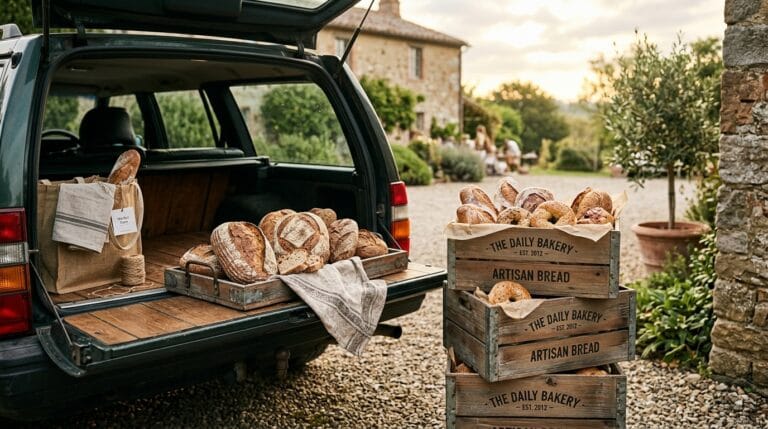
How to Get Your Baked Goods to Market Without Wrecking Them
Cakes slide, frosting sweats, cookies go soft in the car. The crates, timing and packing order that get your bakes to the…
Read more
How to Store Root Vegetables and Winter Squash So They Last Until Spring
Potatoes, squash, carrots and onions will keep for months if you get a few things right. What each one wants, and the…
Read more
What to Do With Unsold Stock When the Market Season Ends
The last market of the season ends with a car full of what did not sell. Here is how to turn that…
Read more