Tennessee Food Freedom Act 2026: No License, No Cap, and Now Poultry Is Allowed
Tennessee's Food Freedom Act is one of the most permissive cottage food laws in the country — no license, no revenue cap, no inspection. And as of July 2025, the law expanded to include poultry and dairy. Here's what home producers need to know.
 1 min read
If you're looking for a state with the fewest barriers to legally selling homemade food, Tennessee is hard to beat. The Tennessee Food Freedom Act is one of the most permissive cottage food frameworks in the United States — and it got even more expansive in 2025.
Here's everything home bakers, food producers, and small food entrepreneurs in Tennessee need to know in 2026.
What Is the Tennessee Food Freedom Act?
Tennessee's Food Freedom Act allows individuals to produce and sell food made in a home kitchen without a license, permit, inspection, or certification of any kind. There is no registration required, no fee to pay, and no state agency to notify before you start selling. You just need to make food that's allowed under the law and label it properly.
The law reflects a genuine philosophy of food freedom — the idea that individuals should have the right to buy and sell homemade food from their neighbors without government interference, as long as products are properly identified and consumers understand what they're buying.
No Revenue Cap
Tennessee has no annual revenue cap on cottage food sales under the Food Freedom Act. Your business can grow as large as your kitchen and your energy allow, without worrying about hitting a legal ceiling. This is a significant advantage for serious home food producers who want room to build a real business.
What Changed in July 2025
The Tennessee legislature expanded the Food Freedom Act effective July 1, 2025, adding two major new product categories:
Poultry products are now allowed under the cottage food exemption in Tennessee. Home producers can legally sell chicken, turkey, and other poultry products from their home kitchen — this was not previously permitted and represents a meaningful expansion of what Tennessee home producers can make and sell.
Pasteurized dairy products are now included as well. Note the "pasteurized" qualifier — raw milk and raw dairy products are still subject to separate regulations. But pasteurized dairy, including certain dairy-based products, can now be sold under the Food Freedom Act framework.
Both changes took effect July 1, 2025, so these are legal and in place for anyone selling in Tennessee today.

What Can You Sell Under the Food Freedom Act?
Tennessee's expanded law covers a remarkably broad range of homemade foods:
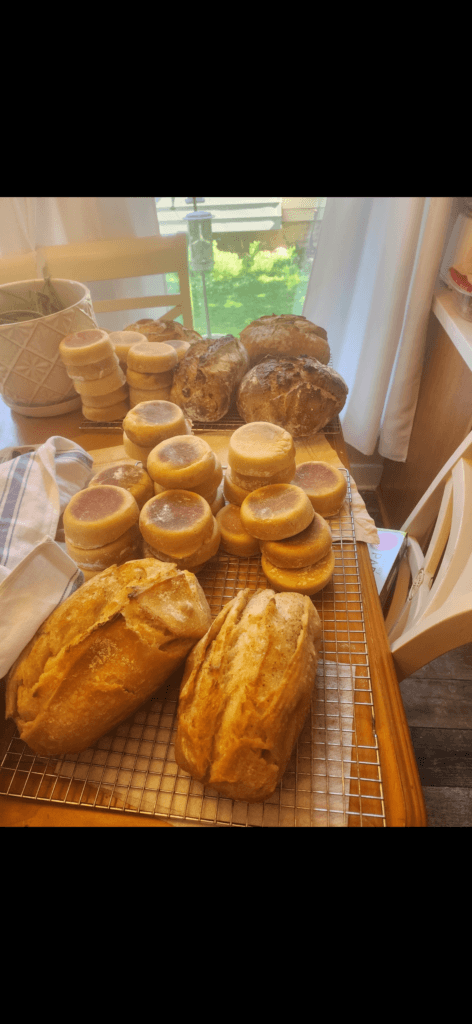
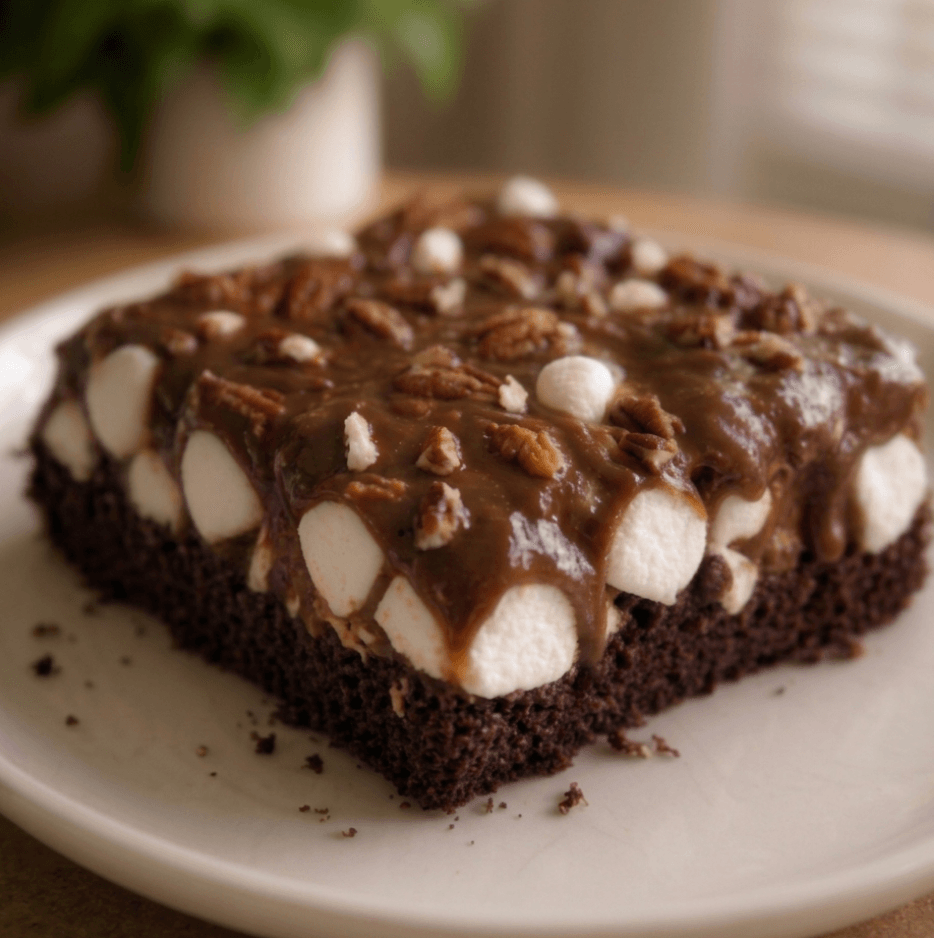
- Breads, cookies, cakes, pies (including cream pies), and pastries
- Cheesecakes and cream-filled pastries
- Jams, jellies, and preserves
- Candy, fudge, and confections
- Dried fruits, granola, and dried goods
- Roasted nuts and nut butters
- Honey and maple syrup
- Hot sauces and spice mixes
- Coffee and tea blends
- Poultry products (as of July 1, 2025)
- Pasteurized dairy products (as of July 1, 2025)
Products that remain outside the Food Freedom Act include red meat (beef, pork, lamb), fish and shellfish, unpasteurized (raw) dairy, alcoholic beverages, and cannabis-infused products.
Where Can You Sell in Tennessee?
Tennessee's sales channel options are among the broadest of any cottage food state:
- Farmers markets ✓
- Roadside stands ✓
- From your home ✓
- Community events and festivals ✓
- Home delivery directly to customers ✓
- Your own website ✓
- Social media (Instagram, Facebook) ✓
- Etsy and similar online marketplaces ✓
- In-state shipping ✓
- Wholesale to grocery stores (non-perishable products) ✓
Non-perishable products can even be wholesaled to grocery stores, co-ops, specialty food shops, and farm stores. That's an unusually broad permission that most cottage food states don't grant.
One important note: local municipalities in Tennessee cannot add restrictions beyond the state law. You don't need to worry about a city or county layer of regulation making your situation more complicated.
Labeling Requirements
Even with no license required, Tennessee does require proper product labeling. Each product must include:
- Product name
- Your name and home address
- Ingredients list in descending order of weight
- Net weight or volume
- Allergen disclosures
- The statement: "This product was made in a home kitchen that is not inspected by the Tennessee Department of Agriculture."
Tennessee Is One of the Best States to Start a Cottage Food Business
No license, no cap, no inspection, local municipalities can't add restrictions, and you can sell on Etsy, your own website, and wholesale to grocery stores. Tennessee has designed its Food Freedom Act with the home producer in mind, and the July 2025 expansion to include poultry and dairy only adds to that picture.
If you're in Tennessee and you've been holding back because you weren't sure if selling homemade food was legal — it is, it's clear, and the path forward requires nothing more than good food and proper labeling.
Build your product line, sort your labels, find your local farmers market, and set up a simple online presence. In Tennessee, the law is genuinely on your side.
For more information visit the Tennessee Department of Agriculture website.
Looking to become a cottage food business in Tennessee? We can help! Open your shop on Buttter & Sage Market today.
Tennessee Makers: Find Your Customers on Butter & Sage Market
⚠ Legal Disclaimer: This post is for informational purposes only and is not legal advice. Cottage food laws change frequently — always check your state's current statutes or consult a local attorney before starting your food business.

Keep reading
More from the market
Can You Ship Cottage Food? The State-by-State Breakdown for 2026
Can you mail your cottage food products? The short answer is: it depends on your state. Here's the full 2026 breakdown of…
Read more
Georgia Cottage Food Laws 2026: No License Fee, Retail Sales Now Legal, and How to Start
Georgia eliminated its cottage food license fee and opened retail and restaurant sales in 2025 — and 2026 is your first full…
Read more
Food Freedom States 2026: Where Cottage Food Laws Go the Furthest
Nine states have passed food freedom laws that go far beyond standard cottage food rules — no permits, no sales caps, and…
Read more