
How to Build a Product Line for Your Cottage Food Business (The Strategic Way)
The vendors who grow fastest don't offer everything — they offer the right things. Here's how to build a focused cottage food product line that actually sells.
 1 min read
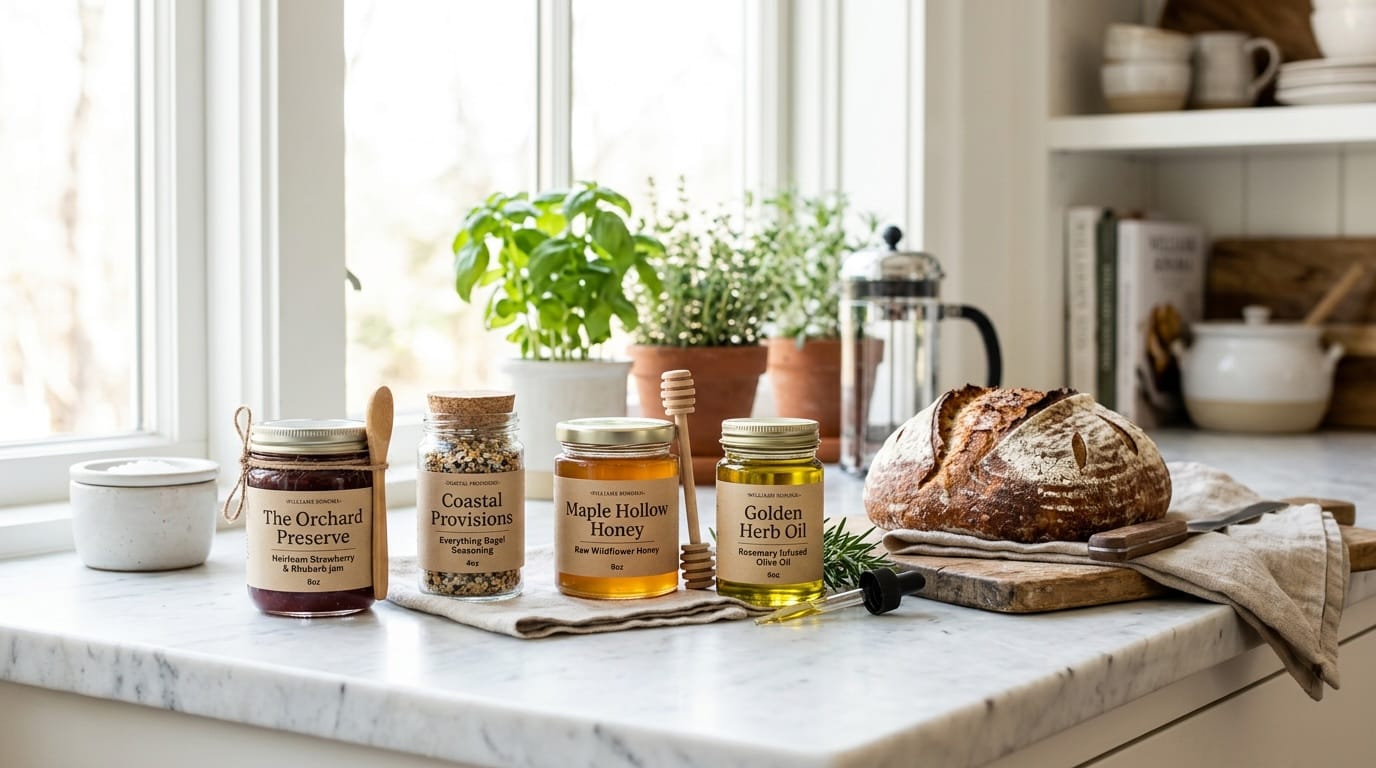
One of the most common mistakes new cottage food vendors make is trying to offer everything. Forty-seven flavors of jam. Every cookie in the book. A full line of breads plus granola plus three kinds of bark. It feels like abundance, but what it actually creates is buying paralysis for customers, a logistical nightmare for you, and a brand identity that is impossible to communicate in the fifteen seconds someone spends glancing at your market table.
Building a focused, strategic product line is one of the highest-leverage decisions you can make for a cottage food business. Here is how to think about it.
Start With One Signature Product
The vendors who build the most loyal customer bases almost always have one product that people talk about. Not twelve. One. A jam that someone drives twenty minutes to buy. A cookie that sells out every single week. A flavored syrup that gets given as gifts. Your job in the early days is to find that product and make it excellent every single time.
A signature product also makes your marketing infinitely easier. “I make the best small-batch lemon curd in the county” is a sentence people repeat. “I make jams, baked goods, granola, flavored salts, and seasonal preserves” is a list that slides right off most people’s attention.
Build Around It With 4–7 Complementary Products
Once you have your anchor, think about what naturally extends it without fragmenting your identity. If your signature is a rustic sourdough loaf, your line might include a seeded variation, a cinnamon raisin version, and a herb compound butter to pair with it. If your signature is a small-batch fruit preserve, your line might include three rotating seasonal flavors and a savory chutney. Every product should feel like it belongs to the same table.

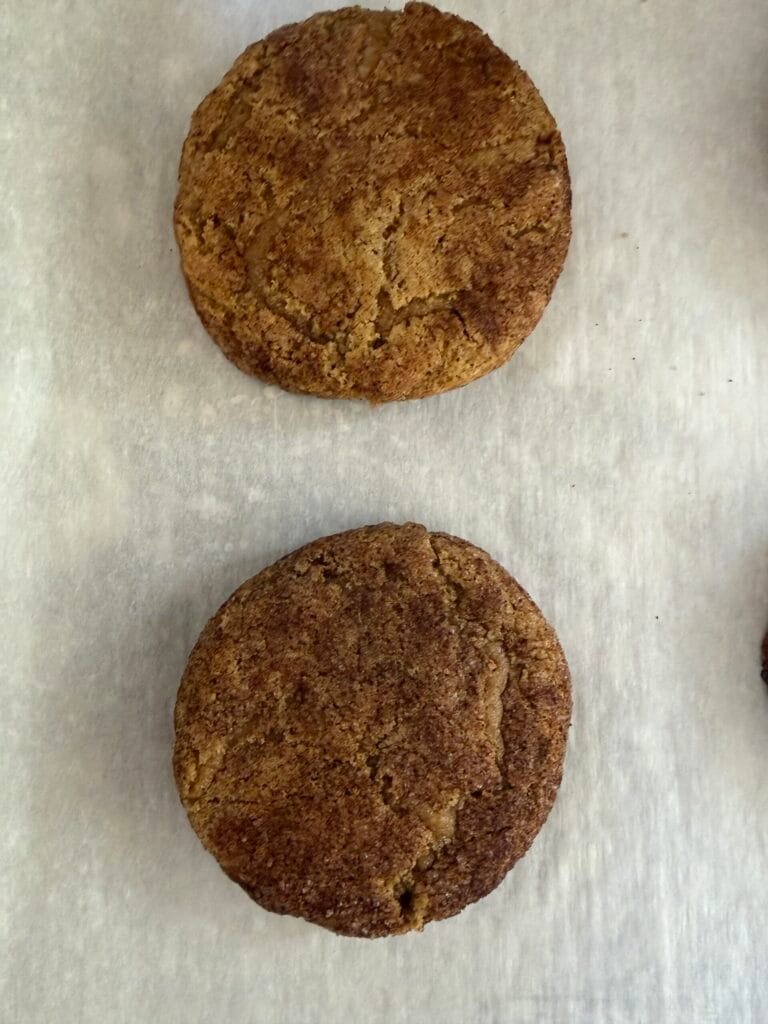

A product line of five to eight items is far more profitable than thirty, because you can buy ingredients in efficient quantities, your production workflow becomes repeatable, and customers who love one thing immediately know what else to try. Small and curated wins.
Let the Market Tell You What to Keep
Farmers market vendors have a feedback mechanism most businesses would pay for: real customers standing in front of your products in real time. Pay attention. The items that sell out first are your market telling you what your signature actually is. The items that sit every week are not slow sellers — they are candidates for retirement.
Run small seasonal tests. Introduce one new item per season, promote it for six to eight weeks, and see what happens. If it earns a permanent spot, great. If not, you have your answer without having committed to a 50-pound bag of specialty flour.
Think Seasonally From the Start
Build a rotating seasonal layer into your product line from the beginning. Your core signature products stay consistent — that is what repeat customers come back for. But two or three seasonal items give them a reason to keep checking in, create natural marketing moments (“our strawberry basil syrup is back for summer!”), and let you chase peak-quality local ingredients instead of compromising year-round. Seasonal rotation also keeps production interesting, which matters more than most people admit.
Package and Price as Part of the Strategy
Your packaging is part of your product line, not an afterthought. A consistent visual language across products — same jar style, same label format, same color palette — signals professionalism and makes your table recognizable from across a crowded market. Pricing should be consistent within a tier, too. Customers who buy one jar of jam should be able to predict roughly what your other preserves cost. Erratic pricing creates confusion and undercuts the impression that you are running an intentional business.


Keep reading
More from the market
How to Get Your Baked Goods to Market Without Wrecking Them
Cakes slide, frosting sweats, cookies go soft in the car. The crates, timing and packing order that get your bakes to the…
Read more
How to Store Root Vegetables and Winter Squash So They Last Until Spring
Potatoes, squash, carrots and onions will keep for months if you get a few things right. What each one wants, and the…
Read more
What to Do With Unsold Stock When the Market Season Ends
The last market of the season ends with a car full of what did not sell. Here is how to turn that…
Read more