How to Use Pinterest to Grow Your Cottage Food Business (And Why It Outlasts Instagram)
Pinterest is not social media. It is a search engine. And for cottage food vendors, that one distinction changes everything about how to use it.
 1 min read
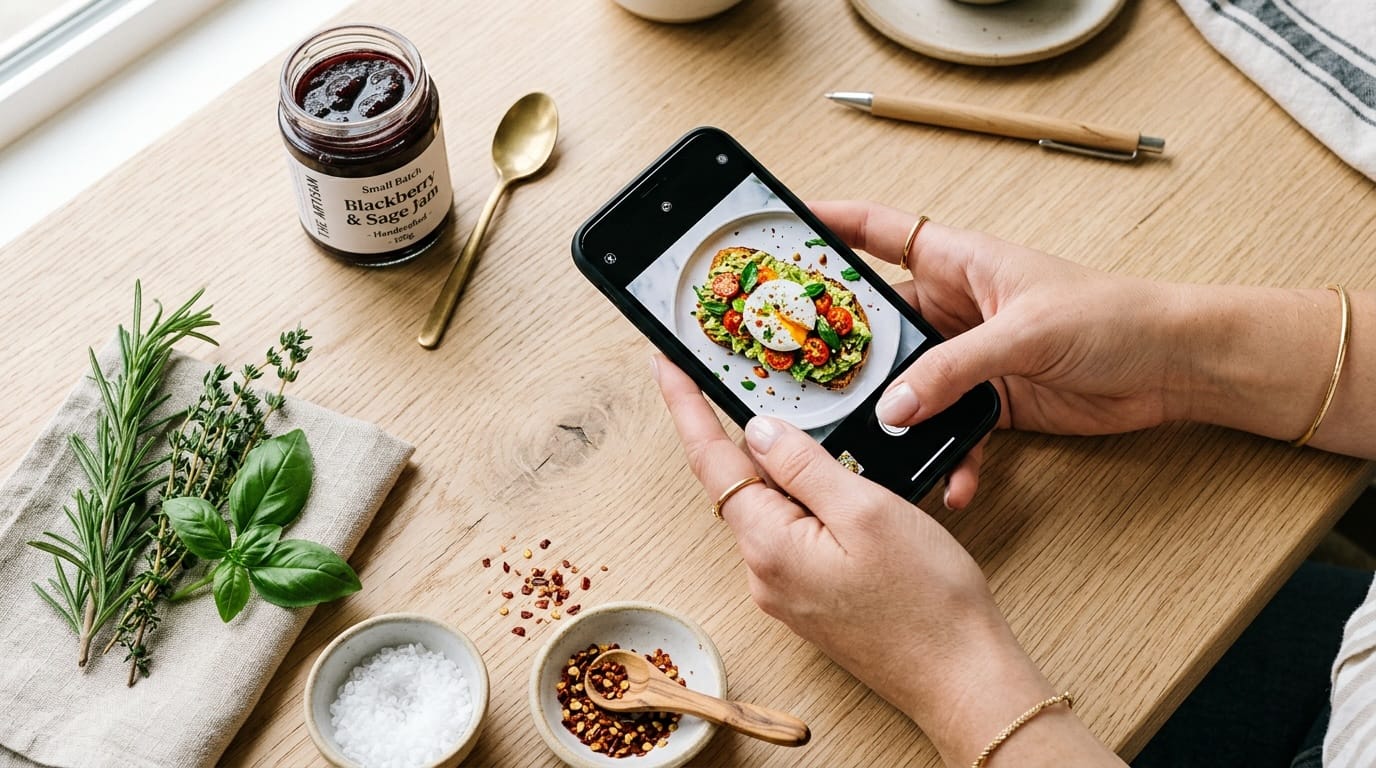
You have probably heard that you should be on Pinterest. You may have set up an account, pinned a few things, and then watched nothing happen. Here is what most cottage food vendors miss: Pinterest is not social media. It is a search engine. That one distinction changes everything about how you use it.
Why Pinterest Outlasts Instagram for Food Sellers
On Instagram, your posts have a lifespan of about 24 to 48 hours before the algorithm moves on. On Pinterest, a single pin can drive traffic to your website for months or years after you create it. A pin about your lavender shortbread created today can show up in someone search for summer farmers market gifts next July. That kind of evergreen reach is something Instagram structurally cannot offer. Pinterest also has buyer intent built in. People use it to plan events, gifts, cooking projects, and markets they want to visit. They are searching to find something specific, which makes them warmer prospects than most other social platforms.
Set Up Your Profile Like a Business
Convert your account to a free Pinterest Business account. This unlocks analytics, Rich Pins, and advertising options. Fill in your bio with keyword-rich language: Small-batch jams and seasonal baked goods from your state, find me at your market name or shop online at butterandsagemarket.com. Create boards that match what your customers would actually search for: Farmers Market Recipes, Small-Batch Jam Ideas, Cottage Food Gift Ideas, Holiday Baking, Summer Preserves. These board names pull in search traffic. A board called My Products does almost nothing for discovery.
What a Working Pin Looks Like
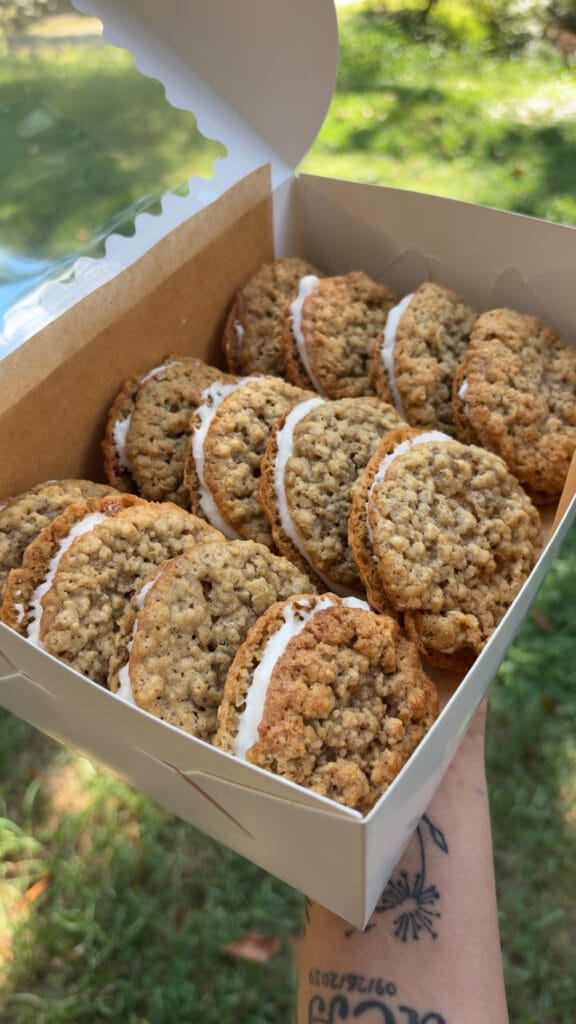
Pinterest rewards vertical images in a 2 to 3 ratio, clear text overlays that communicate the hook, and keyword-rich descriptions. A great pin for a cottage food vendor might show a beautiful photo of your peach preserves on a rustic wood surface with the text overlay Small-Batch Peach Jam, Farmers Market Bestseller, No Artificial Ingredients. The description should mention your sourcing, your location signals, and a clear path to purchase. Notice what it does not do: talk about features. It talks about the experience and the result.
Enable Rich Pins for Your Website
Rich Pins automatically pull metadata from your pages and display product names, prices, availability, or recipe details directly on the pin. They look more polished and perform better in Pinterest algorithm than standard pins. The setup takes about ten minutes and pays dividends indefinitely.
A Realistic Posting Strategy
Pin consistently, not constantly. A few well-made pins per week tied to what is seasonal and what you are actively selling. Batch your content creation one afternoon every two weeks. Tools like Tailwind let you schedule ahead without remembering to post every day. Check your analytics monthly to see what is driving clicks and make more of whatever that is.
Pinterest Users Are Already Looking to Buy
The average Pinterest user comes to the platform in a planning and purchasing mindset. Your job is to show up when they search for what you already make. Keyword-rich boards, seasonal content, and beautiful vertical images are the trifecta. Unlike Instagram posts that vanish by Tuesday, a Pinterest strategy you build this summer will still be working for you next summer.


Keep reading
More from the market
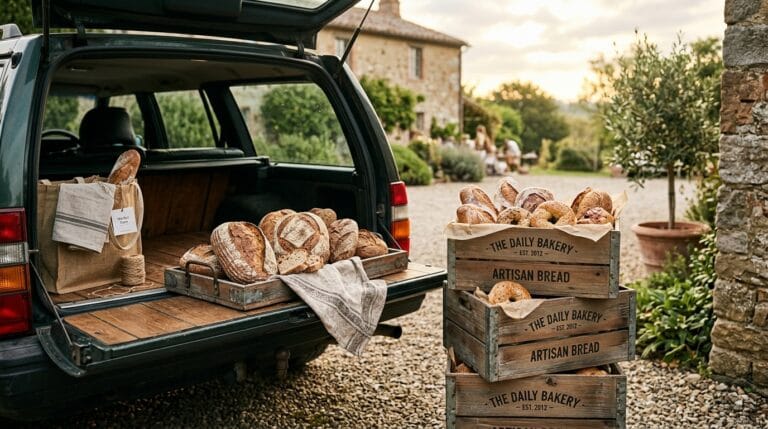
How to Get Your Baked Goods to Market Without Wrecking Them
Cakes slide, frosting sweats, cookies go soft in the car. The crates, timing and packing order that get your bakes to the…
Read more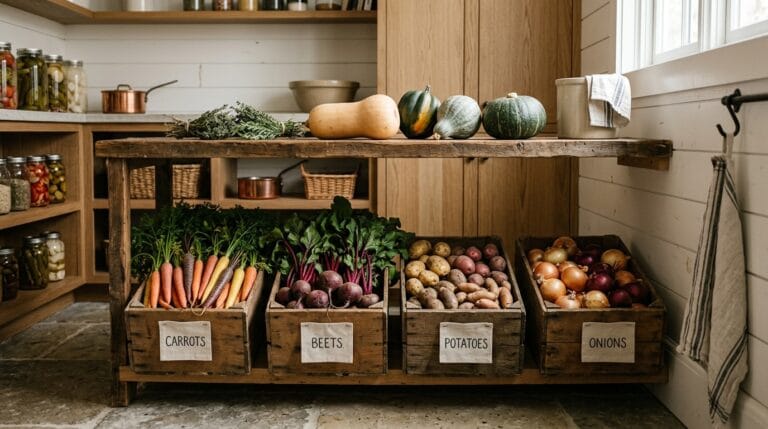
How to Store Root Vegetables and Winter Squash So They Last Until Spring
Potatoes, squash, carrots and onions will keep for months if you get a few things right. What each one wants, and the…
Read more
What to Do With Unsold Stock When the Market Season Ends
The last market of the season ends with a car full of what did not sell. Here is how to turn that…
Read more