
How to Run a Holiday or Winter Farmers Market: Venues, Vendors and Weather Plans
How to run a winter farmers market or a single holiday market: choosing a warm venue, shifting the vendor mix, setting hours and writing a snow plan early.
 5 min read
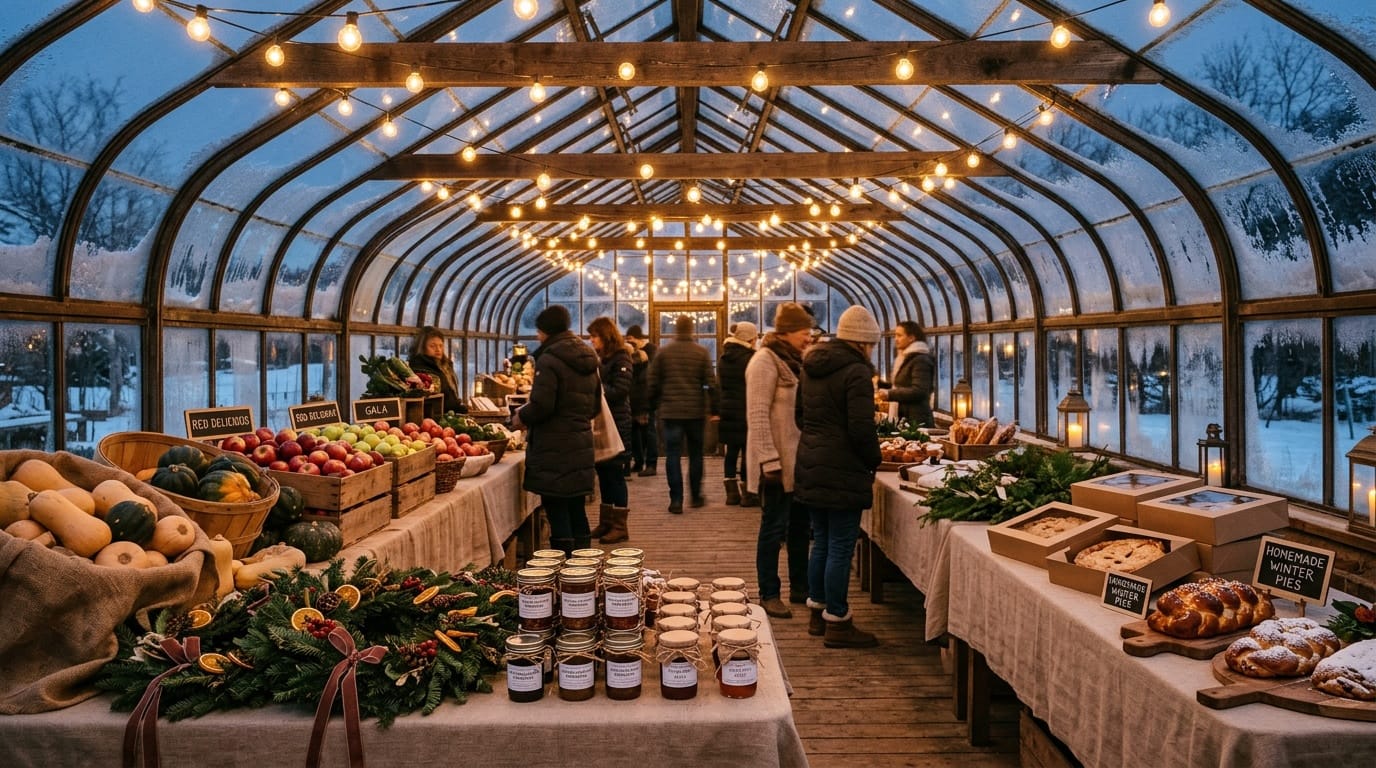
By mid-November the outdoor season has wound down, the sun sets before five, and shoppers still want pies for Thanksgiving, a wreath for the door and gifts made by someone they know. Your farmers and makers still have product, too. If you are wondering how to run a winter farmers market, or just one festive holiday market, the answer is mostly about three things: a warm room, the right vendors and a weather plan written before the first snow.
Winter markets are not new. The Farmers Market Coalition’s farmers market FAQ notes that in 2010 roughly 15 percent of farmers markets were already open in the winter months. The ones that work tend to share a few habits.
One holiday market or a whole winter season?
Decide this first, because it changes everything downstream. A single holiday market, the weekend before Thanksgiving or in early December, is a big event with a short planning runway. A winter season is a commitment to vendors and shoppers through some of the year’s worst weather.
A middle path works well for a first year: two or three dates, then a season the following winter if the response is strong. A SARE-funded winter market project in Appleton, Wisconsin ran from November to April on the first, third and fifth Saturdays of each month rather than every week, which gave vendors breathing room and shoppers a rhythm they could learn.
Find an indoor venue that is easy to find
Community centers, school cafeterias, church halls, fairground buildings, empty storefronts and greenhouses all host winter markets. The Seacoast Eat Local winter market in New Hampshire, documented in a 2014 SARE report, alternated between a greenhouse with 56 vendor spaces and a high school cafeteria with 39.
The Appleton project’s lessons are worth reading in full. Its first site was hard to find from the main roads. A move to a greenhouse saw attendance drop so sharply that the market moved again after five markets. A community center with easy parking and a community kitchen finally brought shoppers back. The organizers’ conclusion: pick an easy-to-find site with room to grow from the start, and avoid moving mid-season.
- Occupancy limit and how many 8-foot tables fit with aisles
- Loading access, carts and how long setup can take
- Outlets per booth, and whether extension cords are allowed
- Tables and chairs included, or vendors bring their own
- Insurance the venue requires, and who clears snow and ice
- Restrooms, parking, and cleanup expectations
Light, heat and power
Indoors, the questions are about power and space. Many vendors want to plug in a light, a card reader or a slow cooker of cider. Map the outlets before you assign booths, and put the vendors who need power near them.


If any part of your market stays outdoors, plan for the dark. In December, a 4 p.m. close lands near sunset across much of the northern half of the country. Ask vendors to bring battery lanterns or string lights, light the walkways and parking, and keep pathways clear of cords. Our vendor guide to cold-weather booth setup is a good thing to send them.
How to run a winter farmers market with a shifted vendor mix
Winter shopping baskets look different. Storage crops such as potatoes, onions, carrots, winter squash and apples carry well into the cold months, alongside meat, eggs, dairy, greenhouse greens and mushrooms. In the Appleton project’s customer survey, 81 percent of shoppers bought vegetables and 81 percent bought fruit, so do not assume produce disappears.
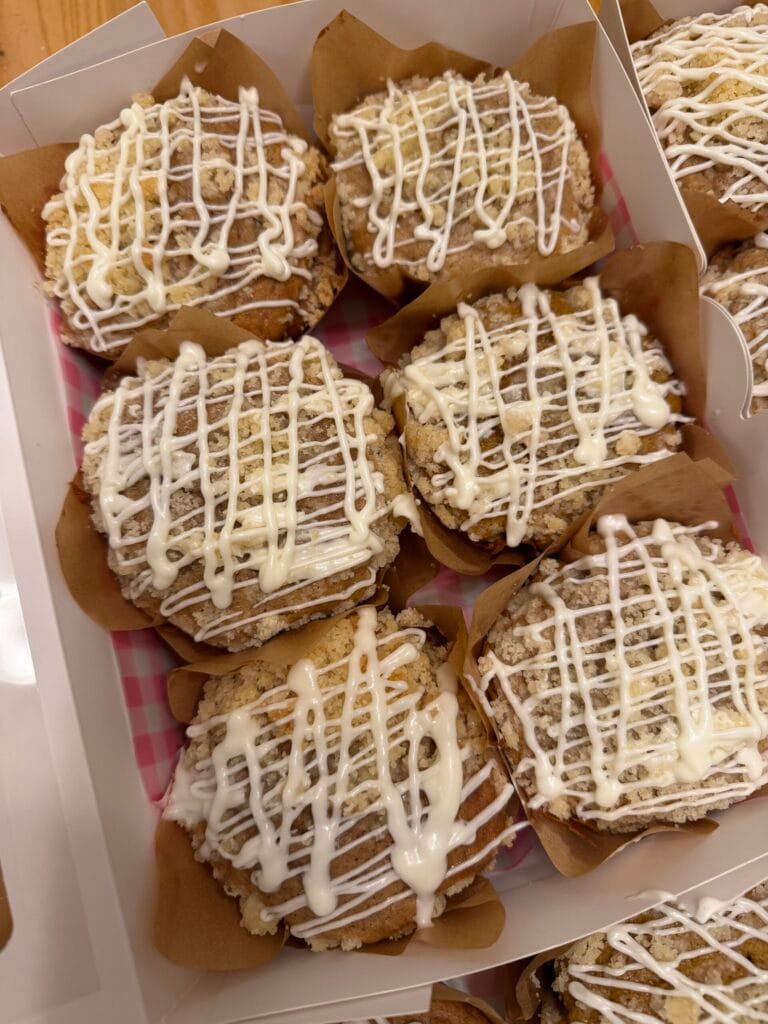
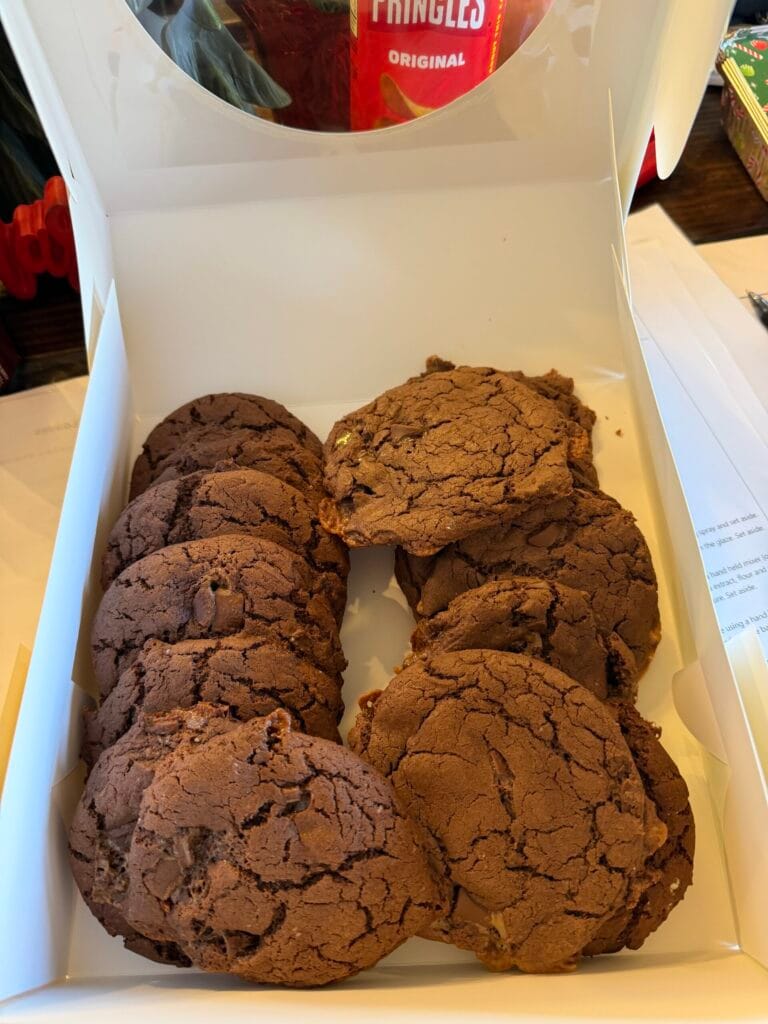
This is also the season for makers. A University of Kentucky report on winter markets quoted an extension agent saying winter markets give growers “an opportunity to add value to their crops,” and listed what sold: pepper jelly, bean soup blends, holiday breads, jams, dried herbs, freezer beef, dried flowers and wreaths. Pies, cookies, candy and gift boxes from cottage food makers fill tables and draw holiday shoppers. Our cottage food law guides help new makers check what their state allows before they apply.
Keep it a farmers market, though. Decide what share of booths goes to farms versus makers and crafts, and write it down, or December will turn into a craft fair with three carrots.

Running a winter season on spreadsheets?
We are building Farmers Market Manager for the people who run markets, in every season. Founding markets get it first.
Join the founding markets
Fresh. Local. Sustainable.
Hours, dates and getting the word out
Shorter is usually better in winter. Three or four hours, starting late enough that the parking lot has thawed, is plenty. Holiday dates sell themselves: the weekend before Thanksgiving and the first two weekends of December are when shoppers are already thinking about tables and gifts. Encourage vendors to take pre-orders for pies and holiday bakes for pickup at the market, so they bake to real demand.
Start promoting during the summer season. The Appleton organizers began in June, handed out thousands of flyers at summer markets, schools and businesses, and built an email list from door-prize entries. They also found that events help: chef demonstrations drew more than 35 people, but a workshop repeated too often lost its audience.
Write the weather plan before you need it
Snow will cancel a market eventually. The Seacoast report records a February date called off for snow. What upsets vendors is not the cancellation, it is finding out at 6 a.m. after loading the truck.
Decide in advance who makes the call, by what time, and how everyone hears. Put it in your vendor rules: whether fees are refunded or carried forward, whether a snow date exists, and how shoppers will be told through email, social media and a sign at the door. Then follow the plan the same way every time.
A winter market earns loyalty by being predictable in unpredictable weather.Butter & Sage Market
Done well, a winter market keeps your vendors’ income steady and your shoppers in the habit of coming back. Appleton’s vendors reported sales 1.5 to 3 times higher than their previous winter sales. If your bakers are taking holiday pre-orders, our guide to setting holiday order deadlines is worth sharing with them.
Are you running a holiday market this year? Tell us in the comments how you chose your venue and which week drew the biggest crowd.

Keep reading
More from the market

A Holiday Gift Guide for People Who Would Rather Buy from a Local Maker
Gifts made by someone with a name, a kitchen and an oven. What to buy from local food makers this year, who…
Read more
How to Set Farmers Market Vendor Fees That Keep the Market Running
How to set farmers market vendor fees: build the budget, find your break-even per stall, choose flat, percentage or season fees, and…
Read more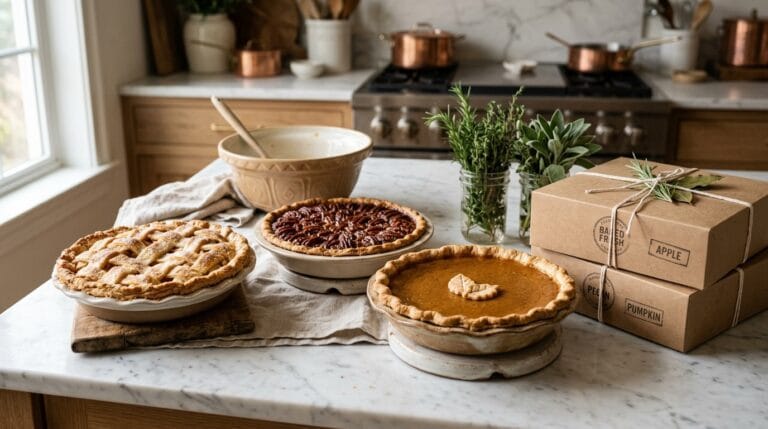
How to Order Holiday Pies from a Local Baker (Before the List Closes)
Local pie lists close early. When to order holiday pies from a neighborhood baker, what to ask before you pay, and how…
Read more