
How to Set Holiday Order Deadlines for Your Cottage Food Business (And Actually Hold Them)
Holiday order deadlines are not rude, they are the reason experienced cottage food vendors make it to January without burning out. Here is how to set them.
 1 min read
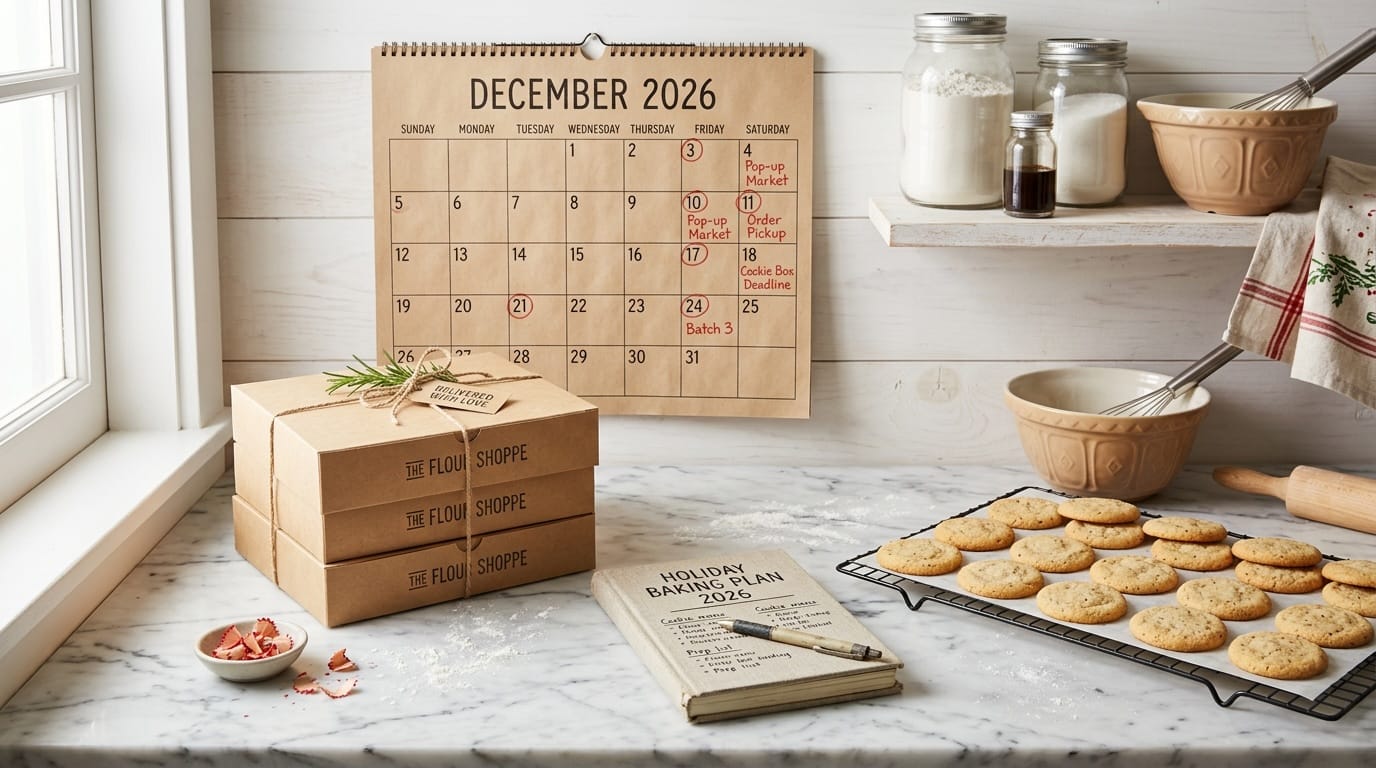
You know exactly how this goes. It is December 18th. You have been baking since 5 a.m., your kitchen looks like a flour bomb went off, and your phone buzzes with a message that starts with "I know it's last minute, but..."
And you say yes. Of course you say yes. She is a repeat customer, or she is your neighbor's sister, or she just sounds so hopeful. So you squeeze in one more order, and you lose another evening you had promised to your own family.
Here is the thing nobody tells you when you start selling food from your home kitchen: the single most profitable thing you can do in Q4 is decide, in August, when you are going to stop taking orders. Holiday order deadlines are not rude. They are the reason experienced vendors make it to January without burning out.
Why "I'll Squeeze You In" Is Costing You Real Money
Every squeezed-in order feels like found revenue. It usually is not. When you accept an order after your deadline, you are almost always paying for it somewhere else.
You pay in rush ingredient runs at full retail instead of the bulk pricing you planned for. You pay in overtime that you would never charge a customer for. You pay in the batch that came out wrong because you were exhausted, and now you are remaking it on your own dime. And you pay in the mistake that actually hurts: shorting a customer who ordered on time so you could accommodate one who did not.
There is a quieter cost too. Vendors who never hold a deadline train their customers to ignore it. If you took last-minute orders in 2025, your regulars have already learned that your posted cutoff is a suggestion. Every year you do this, the deadline gets less real.
Work Backward From Your Last Delivery Date
Setting holiday order deadlines is not a gut call. It is arithmetic. Start at the end and walk backward.
Pick your final delivery or pickup date first. For most cottage food vendors that is December 22nd or 23rd, because nobody wants to be handing off cookie boxes on Christmas Eve. Then subtract, in this order:
- Production days. How many actual baking or jarring days do you need for your projected volume? Be honest, and use last year's numbers if you have them.
- Packaging and labeling time. This always takes longer than you think. Budget a full day for every three production days.
- Ingredient lead time. Two weeks minimum for anything you order online. Specialty chocolate, custom boxes, and printed labels routinely slip in December.
- A buffer. Three days. Not one. Something will go sideways: a sick kid, an oven that quits, a supplier that ships late.
Whatever date you land on is your order cutoff. For most home bakers working a December 22nd delivery, that lands somewhere between December 1st and December 8th. If that feels early, it is because it is supposed to be. The vendors who sell out in December are the ones who closed their books in November.
The Three Deadlines You Actually Need
One deadline is not enough, because "ordering" is really three separate things and they each need their own cutoff.

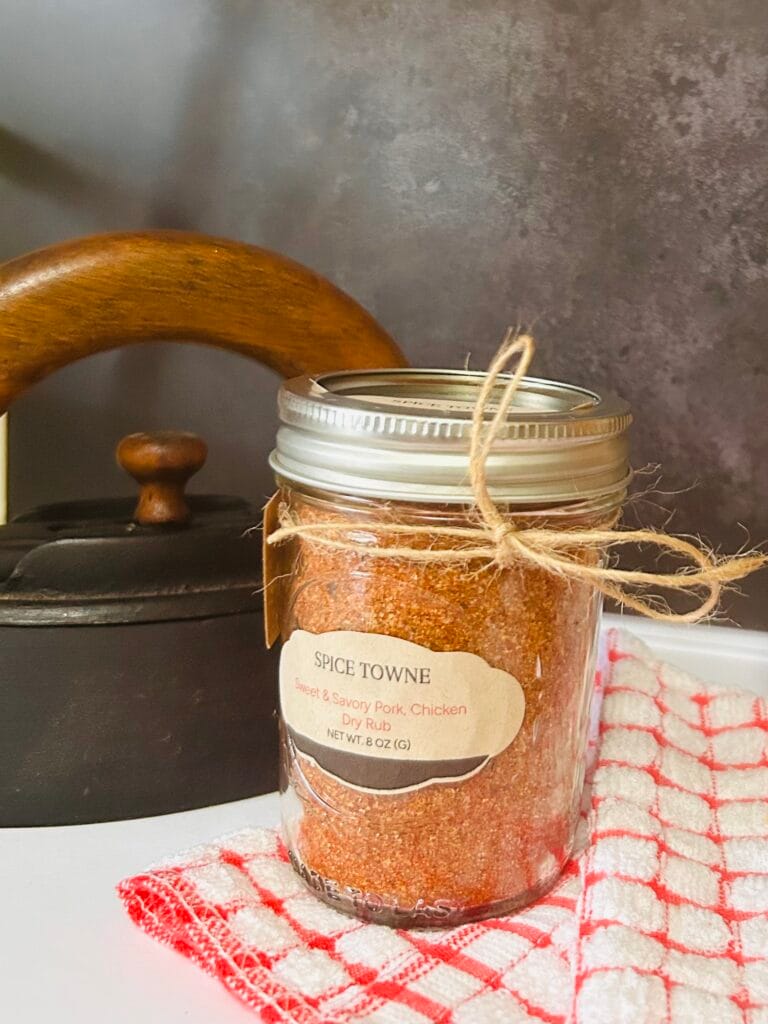
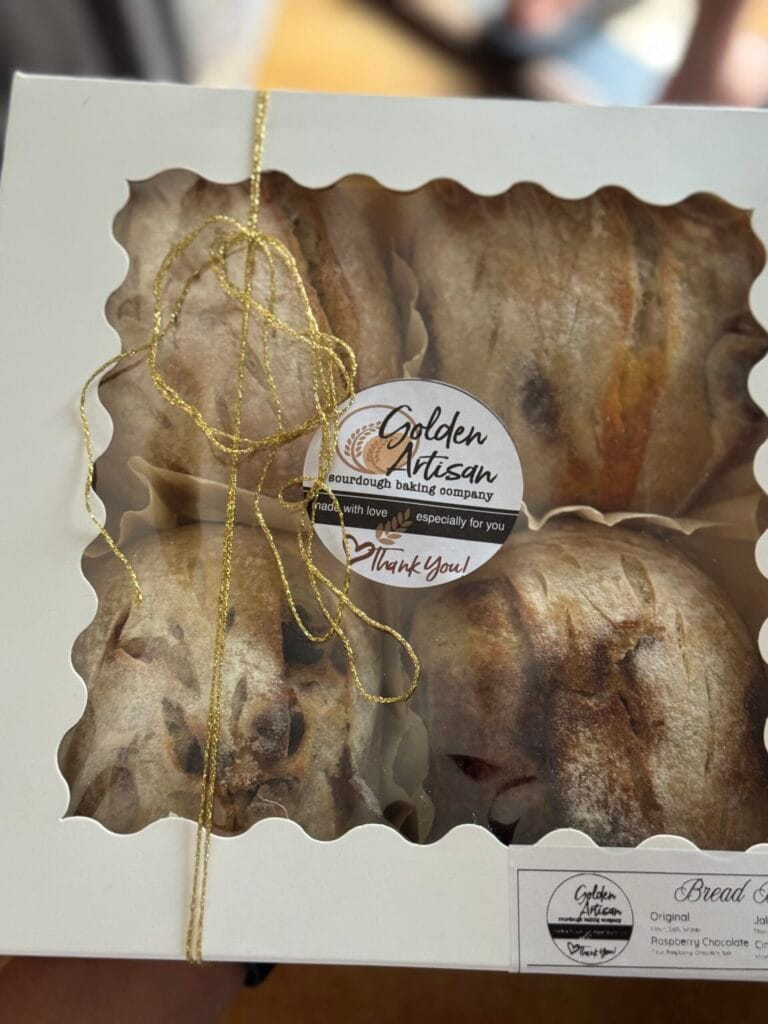
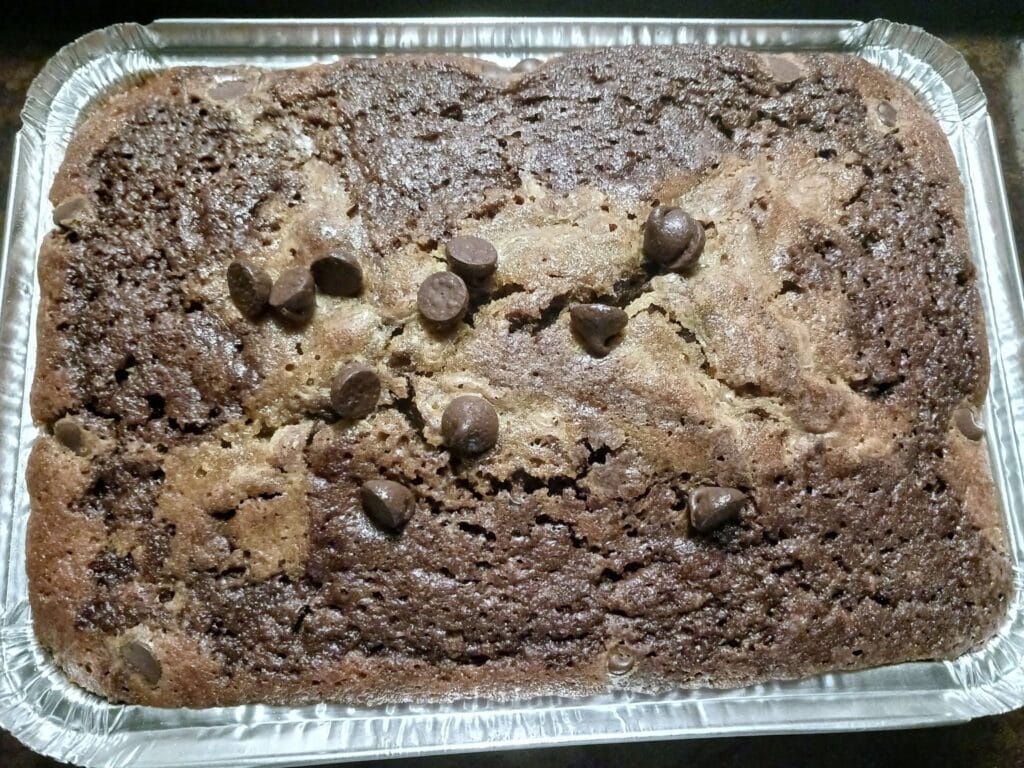
The order cutoff. The last day you will accept a new order, period. This is the one you post everywhere.
The payment cutoff. Usually three to five days after the order cutoff. An unpaid order is not an order, it is a hope. Set this deadline and enforce it, and you will never again buy ingredients for a customer who ghosts you.
The change cutoff. The last day someone can modify an order. This is the one most vendors forget, and it is the one that wrecks a production schedule. Once you have bought ingredients and blocked your calendar, "actually can we make it gluten free?" is not a small ask. Set your change cutoff at the same time as your payment cutoff and say so up front.
How to Announce a Deadline So People Actually Respect It
The way you communicate a deadline determines whether anyone honors it. A single Instagram story in November will not do it.
Announce it early and repeat it. Post your holiday order deadlines by the first week of October, when your customers are still relaxed and planning. Then repeat it at four weeks out, two weeks out, one week out, and the day before. Nobody has ever complained that a bakery reminded them too many times about a Christmas cookie deadline.
Put the date everywhere the customer might look: your shop page, your email signature, your social bios, the sign on your market booth, and the confirmation email of every single order you take between now and then.
And frame it as a benefit, because it is one. "Orders close December 5th so I can give every box the attention it deserves" lands very differently from "no orders after December 5th." You are not gatekeeping. You are protecting quality.
What to Say When Someone Begs
They will beg. Someone always begs. Have your answer written down before it happens, because saying no in the moment while you are covered in buttercream is when good intentions collapse.
Something like: "I would love to, but I have already bought ingredients and blocked my schedule around the orders that came in before the cutoff, and taking yours now would mean shorting someone else. Can I put you on the list for January? I'll reach out the first week."
That is warm, it is honest, and it gives them somewhere to go. It also does something clever: it turns a December no into a January yes, in the slowest month of your year.
Better yet, build the waitlist on purpose. When you announce your cutoff, announce the waitlist alongside it. Some of those people will convert to January orders, some will buy something off your ready-made shelf instead, and all of them will remember that you were kind about it.

Start This Week, Not in November
Pull up a calendar. Pick your last delivery date. Do the subtraction. Write the three dates down somewhere you will actually see them, and then go tell one person about it so it becomes real.
That is the whole job. Twenty minutes in August buys you a December where you are baking instead of apologizing, and a January where you are still glad you do this.
What is your order cutoff going to be this year? Post it in your shop, tell your customers, and hold the line. Your future self is going to be so grateful.

Keep reading
More from the market
What’s at the Farmers Market in November? Your Late-Fall Shopping Guide
November farmers markets are smaller, colder, and sweeter than you expect. Here is what is in season, what frost improves, and what…
Read more
How to Survive a Slow Market Day (And Get Something Out of It)
Four hours, eleven customers, a full table. What to do with a dead market instead of scrolling, and how to leave with…
Read more
Cold-Weather Booth Setup: Wind, Light, and Days That End at Four
A booth built for August falls apart in November. What to change for wind, cold and a market that ends after dark…
Read more