Local Honey Near Me: Everything You Should Know Before You Buy (Including Hot Honey)
Shopping for local honey near you? Raw honey, whipped honey, hot honey — here's how to find the real thing, what crystallization means, and why local always wins.
 1 min read
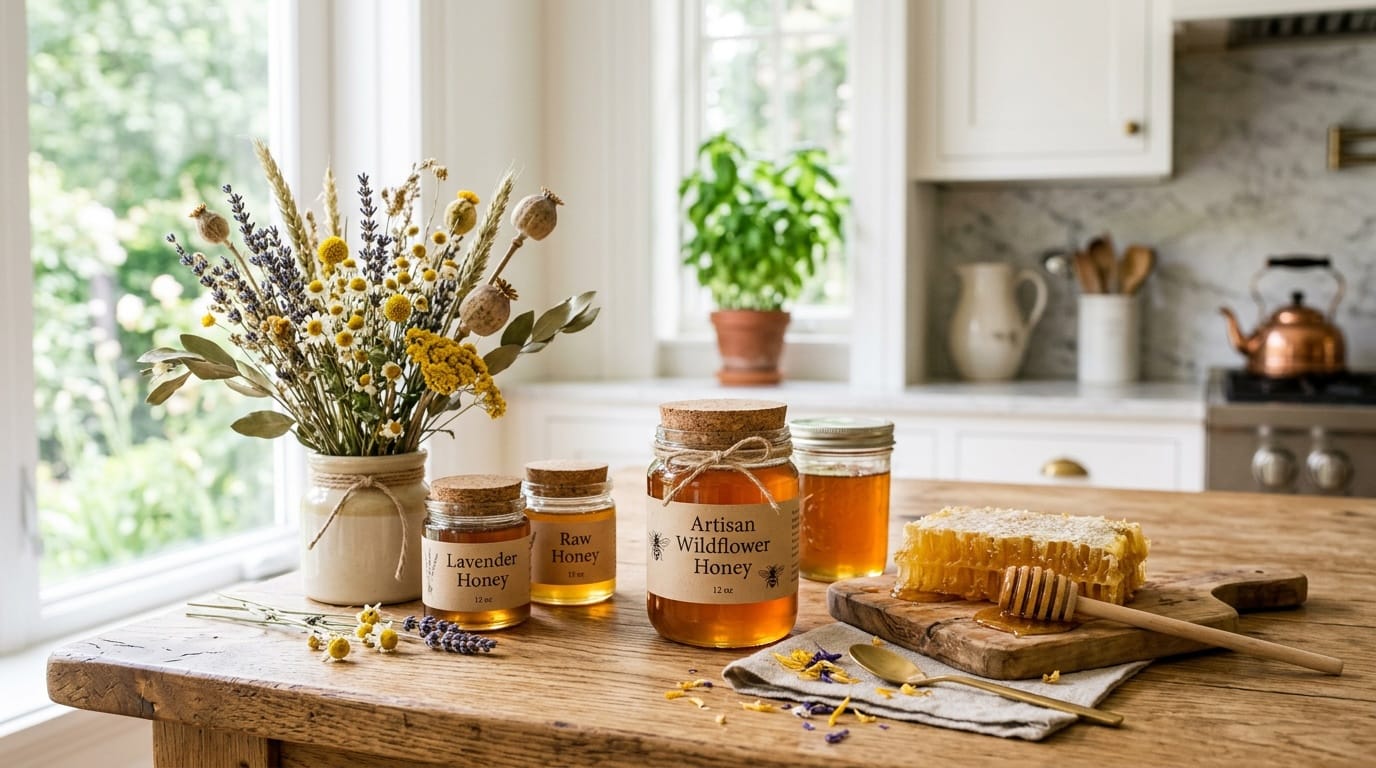
There's a very specific kind of honey — the kind that comes from a beekeeper at your local farmers market, still slightly opaque, maybe a little crystallized, smelling faintly of whatever wildflowers were blooming when the bees were working. It tastes nothing like the plastic bear on the grocery store shelf. And once you've had it, you understand why people search "local honey near me" like their morning depends on it.
Why Local Honey Is Worth Seeking Out
Commercial honey is often blended from multiple sources, heated to high temperatures for easier processing, and filtered until it's crystal clear. That process removes the pollen, natural enzymes, and subtle flavor complexity that make honey interesting. Raw local honey is the opposite: minimally processed, containing the pollen and trace compounds that vary based on what flowers the bees visited. A wildflower honey from a Texas hill country beekeeper tastes genuinely different from a clover honey from a Vermont farm.
Raw Honey, Creamed Honey, and Infused Honey — What's the Difference?
Raw honey hasn't been heated above hive temperature. It may look cloudy or grainy and can crystallize over time — both signs of quality, not defects. A jar that's turned solid hasn't gone bad; it's waiting for a warm water bath to return to liquid. Creamed honey (also called whipped or spun honey) is raw honey processed into a smooth, spreadable consistency. Wonderful on toast, biscuits, and scones. Infused honey — lavender, cinnamon, ginger, lemon — is raw or gently warmed honey steeped with botanical ingredients. These make extraordinary gifts.
Hot Honey: The 2026 Trend Worth Getting Into
Hot honey — local honey infused with chili peppers — is one of the defining food trends of 2026. The "swicy" (sweet plus spicy) combination hits a flavor note that's genuinely hard to get anywhere else. Drizzle it on pizza, fried chicken, cheese boards, roasted vegetables, scrambled eggs. Even vanilla ice cream (try it). The local version made by a beekeeper using their own honey base is categorically better than any national brand. When you find a local vendor selling hot honey at your farmers market, buy a jar.
What to Ask Your Local Honey Vendor
Good questions: Where are your hives? What do the bees forage on? Is this raw or has it been heated? What's the harvest date? A beekeeper who loves their work will answer enthusiastically and tell you more than you expected. Crystallized honey in the jar? Ask about it. Crystallization is a sign of real, high-quality honey — not a defect.
Keep reading
More from the market
What’s at the Farmers Market in November? Your Late-Fall Shopping Guide
November farmers markets are smaller, colder, and sweeter than you expect. Here is what is in season, what frost improves, and what…
Read more
Cold-Weather Booth Setup: Wind, Light, and Days That End at Four
A booth built for August falls apart in November. What to change for wind, cold and a market that ends after dark…
Read more
Selling from a Farm Stand: What It Takes and What It Makes
A stand at the end of the drive has no booth fee and no set hours. What to check before you build…
Read more