
How to Pick a Perfectly Ripe Melon at the Farmers Market
A ripe local melon is one of summer's great pleasures — and a mealy one is a letdown. Here's how to choose watermelon, cantaloupe, and honeydew like a pro.
 1 min read
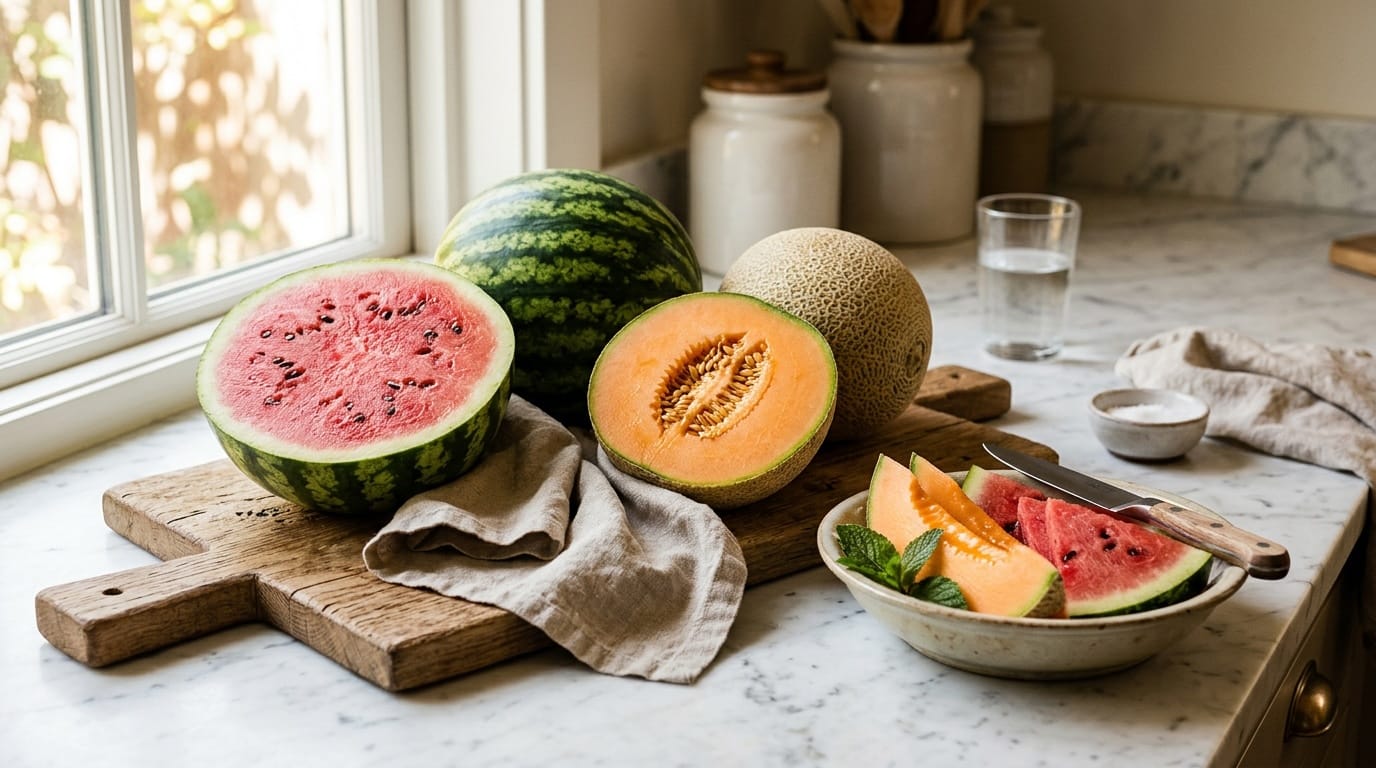
There is almost nothing better than a perfectly ripe melon in the heat of August, and almost nothing more disappointing than cutting into a pale, mealy one. The good news is that a farmers market gives you a real advantage: these melons were picked closer to ripe, they haven't spent a week on a truck, and the person who grew them is standing right there to help. Here's how to choose a winner every time.
Watermelon: Look for the Field Spot and the Thump
Flip the watermelon over and find the pale patch where it rested on the ground — the "field spot." You want it creamy yellow, not white or green. A yellow field spot means the melon sat and ripened in the sun instead of being picked early. Next, give it a knock: a ripe watermelon sounds deep and hollow, like a light drum, while an underripe one sounds flat and high. Finally, pick it up. It should feel heavy for its size, which means it's full of juice.
Cantaloupe: Trust Your Nose
Cantaloupe is the easiest melon to judge because it tells you when it's ready — you just have to smell it. A ripe cantaloupe smells sweet and musky right at the stem end. If it smells like nothing, it isn't ready; if it smells overpoweringly sweet or fermented, it's past its prime. The stem end should also give slightly when you press it with your thumb, and the netting on the skin should be raised and coarse over a background that's gone from green to golden-tan.
Honeydew: Feel for the Waxy Skin
Honeydew hides its ripeness a little more. Run your hand over the skin: a ripe one feels slightly waxy or tacky rather than smooth and hard, and the color shifts from green-white to a creamy pale yellow. Like cantaloupe, the blossom end (opposite the stem) should give gently to a light press. And again — heft matters. A good honeydew feels heavy and dense in your hands.
When in Doubt, Just Ask
Here's the shortcut that beats every tip above: ask the person who grew it. Melon farmers know their crop, and they'll happily point you to one that's ready to eat tonight versus one that needs another day on the counter. Tell them when you plan to serve it and let them choose — that's the kind of thing you simply can't get at a grocery store.



Once you're home, whole melons are happy on the counter until you cut them; after that, wrap and refrigerate. Serve them cold, maybe with a little lime or a pinch of flaky salt on the watermelon, and taste exactly why August is worth waiting for all year.
Got a melon-picking trick of your own? Share it with the community — the best tips always come from fellow market shoppers.

Keep reading
More from the market

How to Get Your Baked Goods to Market Without Wrecking Them
Cakes slide, frosting sweats, cookies go soft in the car. The crates, timing and packing order that get your bakes to the…
Read more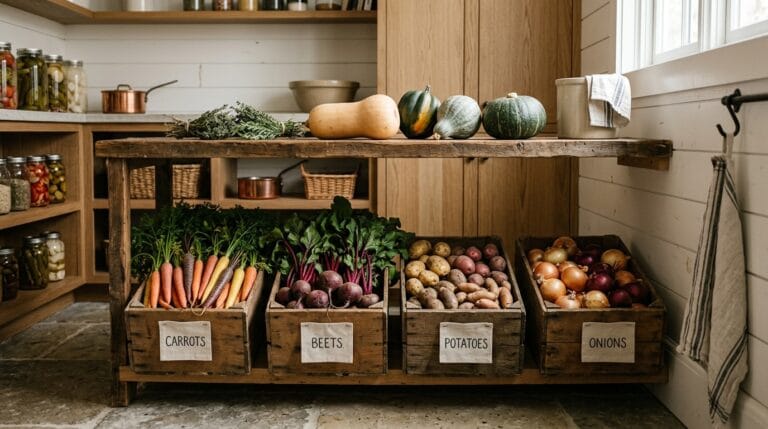
How to Store Root Vegetables and Winter Squash So They Last Until Spring
Potatoes, squash, carrots and onions will keep for months if you get a few things right. What each one wants, and the…
Read more
What to Do With Unsold Stock When the Market Season Ends
The last market of the season ends with a car full of what did not sell. Here is how to turn that…
Read more