Selling from a Farm Stand: What It Takes and What It Makes
A stand at the end of the drive has no booth fee and no set hours. What to check before you build one, how honor systems really work, and what to expect.
 1 min read
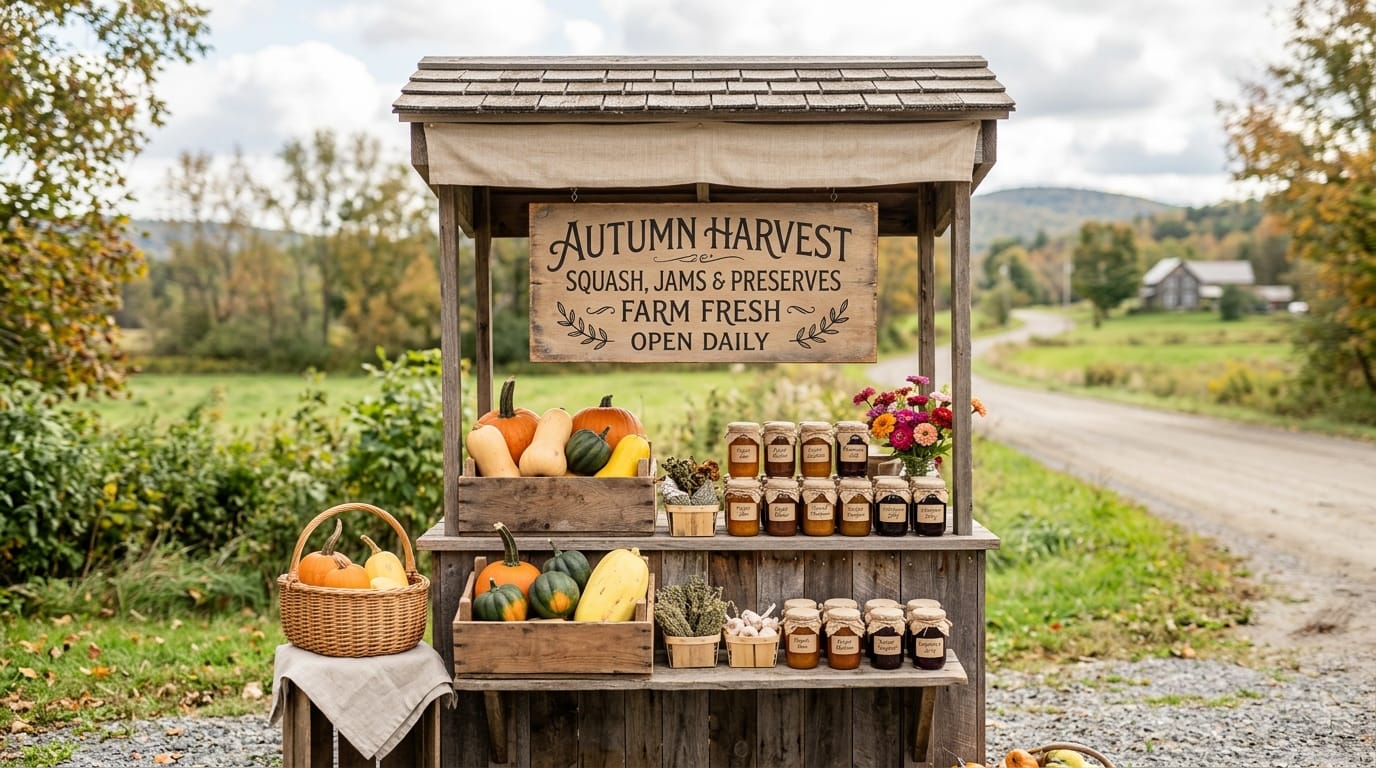
There is a table at the end of a driveway two miles from me with a hand-painted sign, a cash box, and whatever the family grew that week. It has been there for years. No booth fee, no application, no five in the morning.
For some cottage food makers this is a better fit than a market, and for a lot of others it is the extra channel that runs quietly on the days they are not at one.
Check three things before you build anything
Your local rules. This is the one that catches people, and it varies enormously — by state, by county, and often by the specific road you are on. Some places treat a farm stand as an agricultural use that needs nothing. Others require a permit, a setback from the road, a parking area, or restrict signage. A phone call to your county planning or zoning office answers it in ten minutes. Make that call before you buy lumber.
What your cottage food law says about the venue. Most state cottage food laws are written around direct-to-consumer sales, which a farm stand plainly is, but a few specify where you may sell. Check that your state's list includes sales from your own property, and whether an unattended stand changes anything.
The road itself. Can a car actually stop safely? Is there somewhere to pull in? A stand on a fast road with no shoulder gets looked at and driven past forever.
Attended, honor system, or locked box
Honor system is the classic. A cash box or a jar, prices clearly marked, and trust. The reports from people who run them are consistently better than you would expect — most say losses run a few percent, and the good will and word of mouth more than cover it. Keep the box light, empty it often, and never leave a float worth stealing.
A lockbox with a slot is the sensible upgrade. Bolted down, slot in the top, no change available — so price in round numbers.
Digital payment has quietly transformed the unattended stand. A laminated QR code for a payment app, or a sign with a phone number, and most people will use it. It also gives you a record, which matters at tax time.
Attended hours — even just two afternoons a week — change the economics. Sales go up sharply when someone is there to talk, and it is when regulars actually meet you.

What sells at a stand, and what does not
The stand's natural customer is someone passing who was not planning to shop. That favours the obvious and the impulsive.
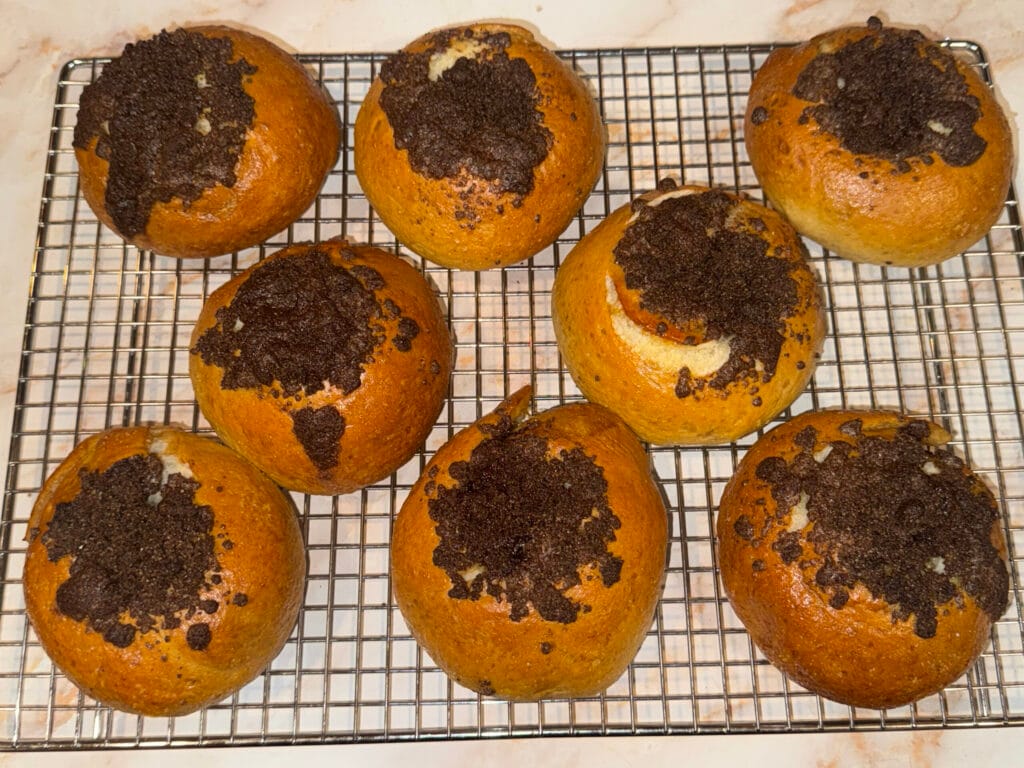
Shelf-stable does best: jam, honey, bread, cookies, granola, spice mixes, dried flowers, eggs where your rules allow them. Produce sells hard in season and is what most people stop for in the first place.
Refrigerated items are a real problem unattended — a cooler with ice on a hot afternoon is a food safety question you do not want to be answering. Anything that needs temperature control belongs in attended hours only.
Price in whole dollars. Five, not four-seventy-five. Change is the main reason honor systems leak.
The sign is most of the business
A farm stand lives or dies on being noticed at thirty miles an hour by someone thinking about something else.
Big letters, few words, high contrast, and the product named: BREAD. EGGS. TOMATOES. Not your business name — nobody is stopping for a name they do not know. Put a second sign a couple of hundred yards earlier so they have time to slow down.
Then keep it honest and current. Nothing kills a stand faster than a sign promising eggs at a stand with no eggs. If you are out, flip the sign or cover it.
Weight everything. Every stand owner has a story about chasing a sign down the road in October.
What it realistically makes
Less per hour than a good market, considerably more per hour of your time — because most of the hours are not yours.
A stand on a quiet road might take twenty or thirty dollars a day. On a decent road in season, several times that. It is rarely a business on its own, and it is very often the thing that turns a market business into a steady one, because it sells on the five days you are not at market.
Its real value is compounding. A stand is a permanent, physical advertisement for you, sitting on a road that the same people drive every day. The customers it produces are local, repeat, and they found you without you paying anyone for the privilege.

Does anyone run a stand through the winter? I have seen a couple keep going with shelf-stable goods only and would like to know whether it is worth the cold.

Keep reading
More from the market
Buying Ingredients in Bulk Without Wasting Money
The bulk bag is only a saving if you use it in time. How to work out your true break-even, which ingredients…
Read more
How to Freeze Your Farmers Market Haul (Without a Freezer Full of Regret)
No canner, no jars, no boiling water bath. What to blanch first, what to freeze raw, what to skip entirely, and how…
Read more
How to Accept SNAP and EBT at Your Farmers Market Booth
SNAP at a market usually runs through the market itself, not your card reader. What qualifies, how tokens work, how you get…
Read more