How to Accept SNAP and EBT at Your Farmers Market Booth
SNAP at a market usually runs through the market itself, not your card reader. What qualifies, how tokens work, how you get paid, and who to ask to join.
 1 min read
A shopper picks up two loaves, turns them over, and asks whether you take EBT. And if the answer is no, you have just watched a regular customer become a one-time browser, because the person who needs to ask that question is not going to ask twice.
Most vendors assume accepting SNAP means paperwork with a federal agency and a card machine they cannot afford. At a farmers market, it usually means neither.
How it actually works at a market
The vast majority of markets run a central system. The market — not each vendor — holds the SNAP authorisation and a terminal, usually at an information booth.
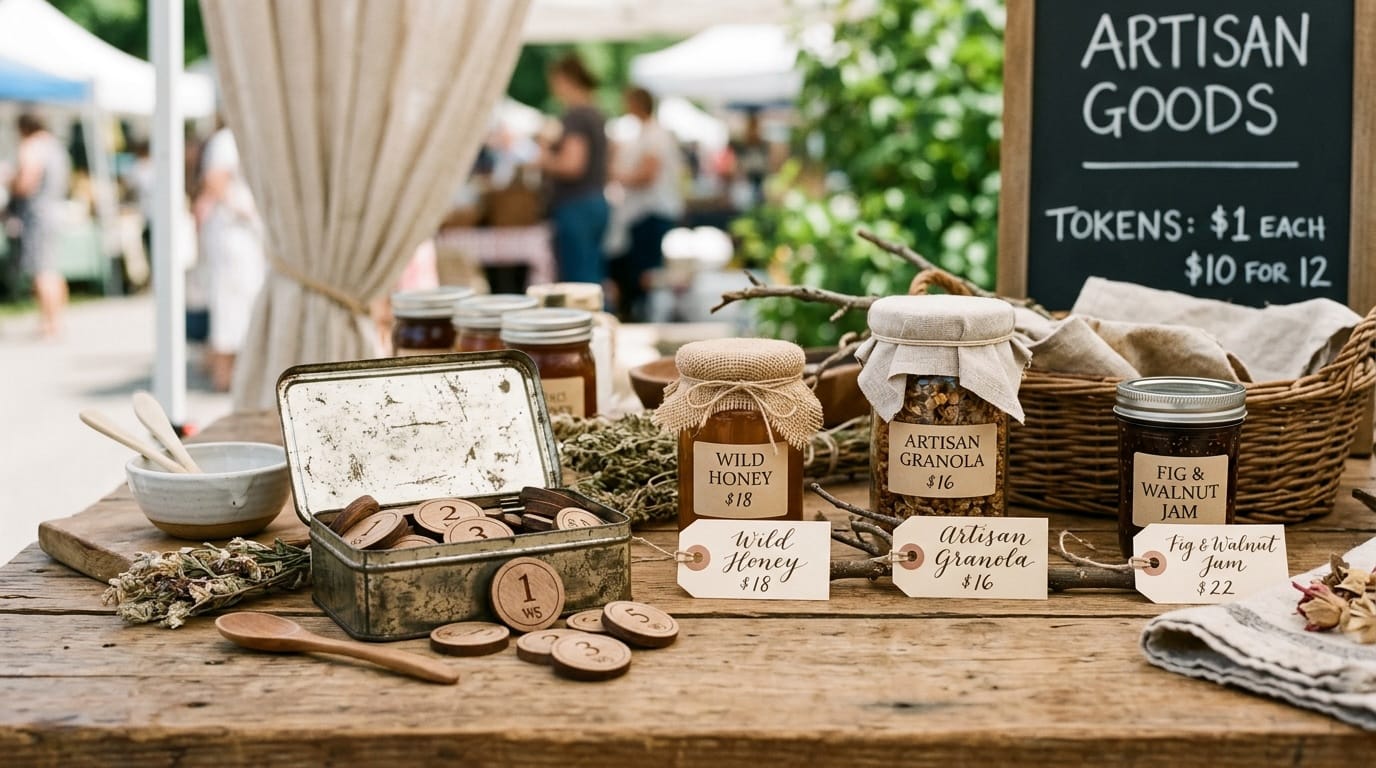
The shopper goes to that booth, swipes their EBT card for whatever amount they choose, and gets tokens or scrip. They shop the market with those tokens. You take them like cash. At the end of the day or the week you hand your tokens in and the market pays you.
Which means your side of it is: ask the market manager to be included, learn which tokens you can take, and hand them in. That is genuinely most of it.
Many markets also run a matching program on top — a shopper spending $20 of SNAP gets another $10 or $20 in produce tokens, funded by a grant or a local nonprofit. Those matching tokens usually have tighter rules about what they buy, which is the one part worth getting straight.
What your products qualify for
This is where vendors get it wrong in both directions, so it is worth being precise.
SNAP covers food to take home and eat. Bread, jam, honey, eggs, produce, cheese, granola, baked goods, seeds and plants that produce food. Most cottage food fits comfortably inside this.
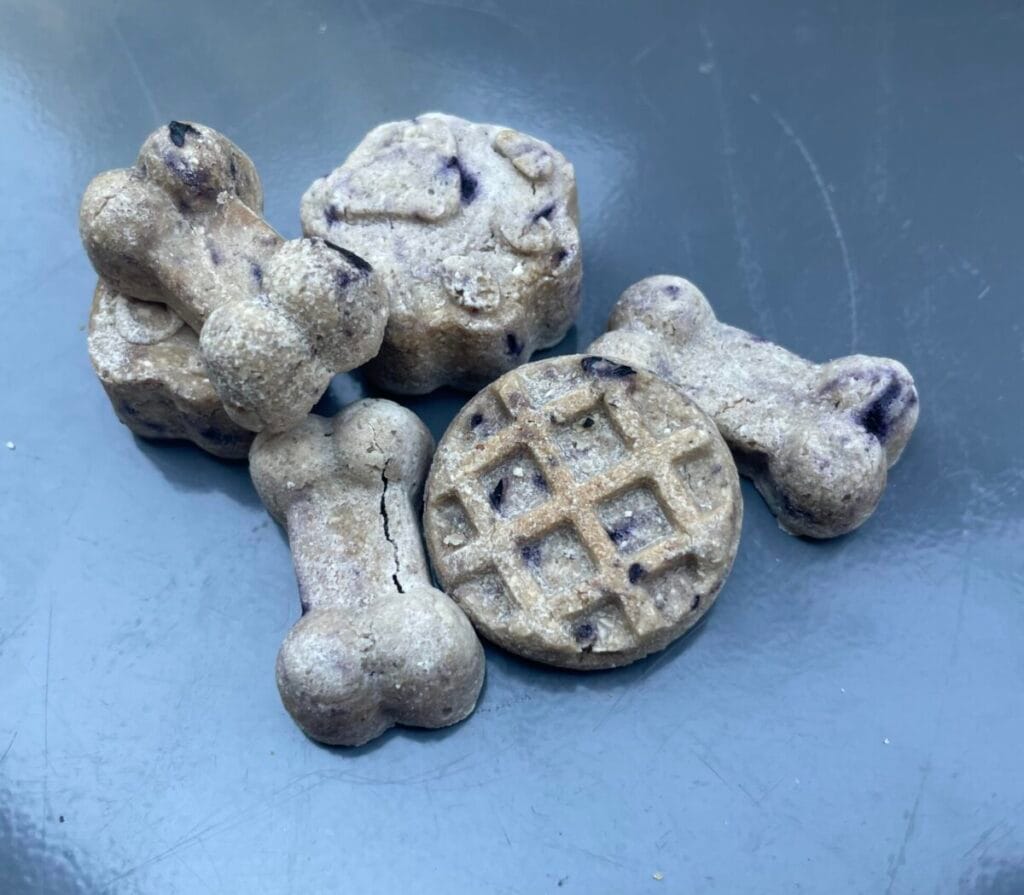
SNAP does not cover hot or prepared food meant to be eaten there, alcohol, vitamins and supplements, or non-food goods — candles, soap, dog treats, dried flowers, crafts.

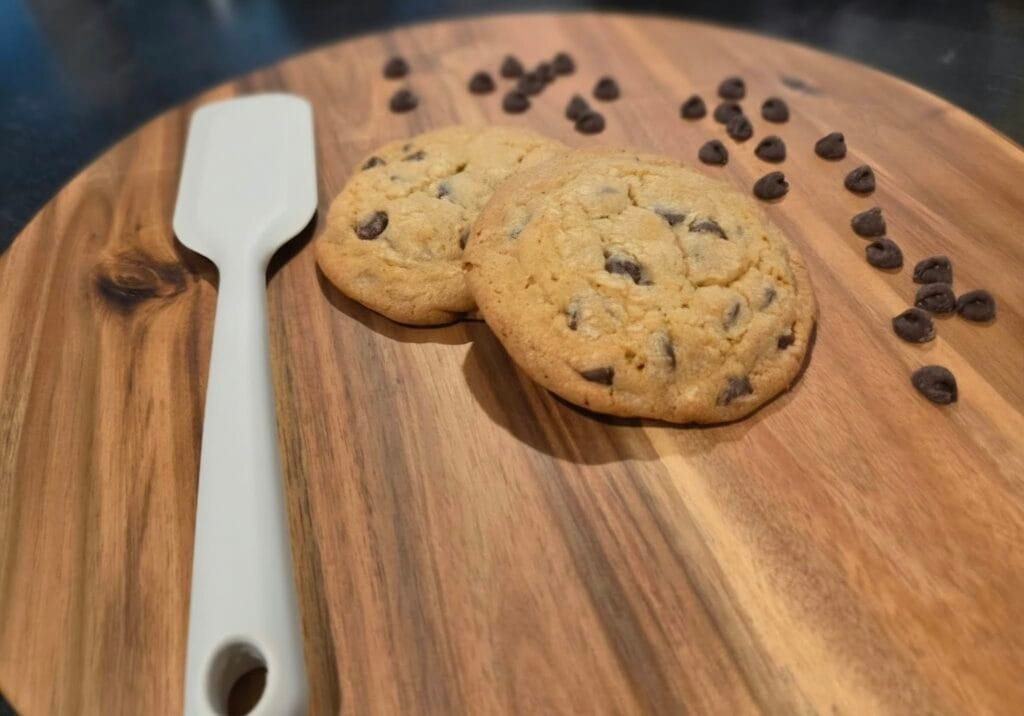
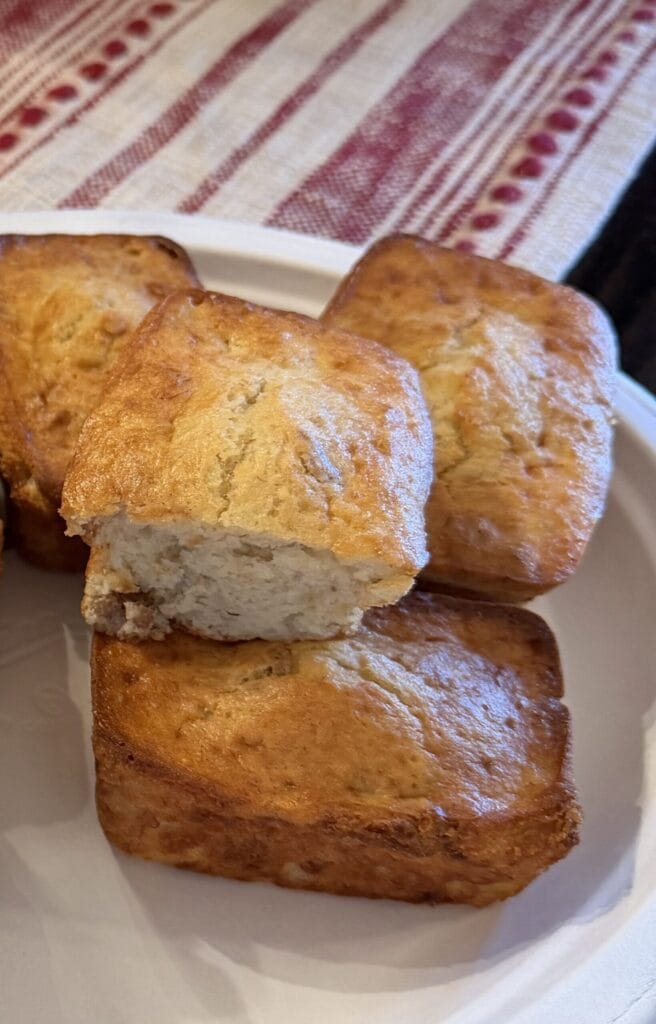
The line that catches people: a loaf of bread is eligible, a hot sandwich made at your booth is not. A bag of granola is eligible; a granola bar sold as a snack to eat while walking around gets argued about. If you sell both kinds of thing, keep them visually separate on the table so the conversation is easy.
Matching or produce-specific tokens are usually restricted to fruit and vegetables, and sometimes to food-producing plants. If you sell jam rather than fruit, you can probably take the base SNAP token but not the produce match. Ask, and put a small sign on the table saying which you take.
Getting set up
Talk to your market manager first. One conversation tells you whether the market has a central terminal, which tokens exist, how reimbursement works and how often, and whether there is anything to sign. In most cases you are added to a list and handed a card explaining the token colours.
Ask how and when you get paid. Weekly, monthly, by cheque, by transfer. It matters for your cash flow — tokens are money you have earned but not yet got.
Keep them separate at the till. A dedicated envelope or tin, counted at the end of the day and written down. Tokens lost in a cash box full of notes are your loss, not the market's.
If your market has no program at all, that is worth raising with the board rather than solving alone. Individual vendor authorisation with the USDA is possible but is a serious undertaking, and markets can often get grant support to set up a central system.
Then tell people
The single most common failure is a market that accepts SNAP and a shopper who has no idea.
Put a small, clear, unapologetic sign on your table. Not buried in small print — the same size as your prices. "We accept SNAP/EBT tokens" and, if it applies, "and Double Up produce tokens."
Say it out loud once or twice an hour on a busy morning, the same way you would mention a new flavour. And put it on your online listings too, because people plan their market trip before they leave the house.
This is not charity and it is not a margin sacrifice — the tokens are worth face value to you. It is a whole category of neighbour who would like to buy good local food and has been quietly working out which stalls they can afford to stop at.

If your market runs a matching program, how well is it working? The ones that do it properly seem to change a market's whole Saturday, and I would like to hear which ones have got it right.

Keep reading
More from the market
How to Get Your Baked Goods to Market Without Wrecking Them
Cakes slide, frosting sweats, cookies go soft in the car. The crates, timing and packing order that get your bakes to the…
Read more
How to Store Root Vegetables and Winter Squash So They Last Until Spring
Potatoes, squash, carrots and onions will keep for months if you get a few things right. What each one wants, and the…
Read more
What to Do With Unsold Stock When the Market Season Ends
The last market of the season ends with a car full of what did not sell. Here is how to turn that…
Read more