How to Get Your Cottage Food Products Into Local Restaurants and Specialty Stores
That specialty shop wants to carry your product — but can you legally say yes? Here's what cottage food vendors need to know about wholesale sales by state.
 1 min read
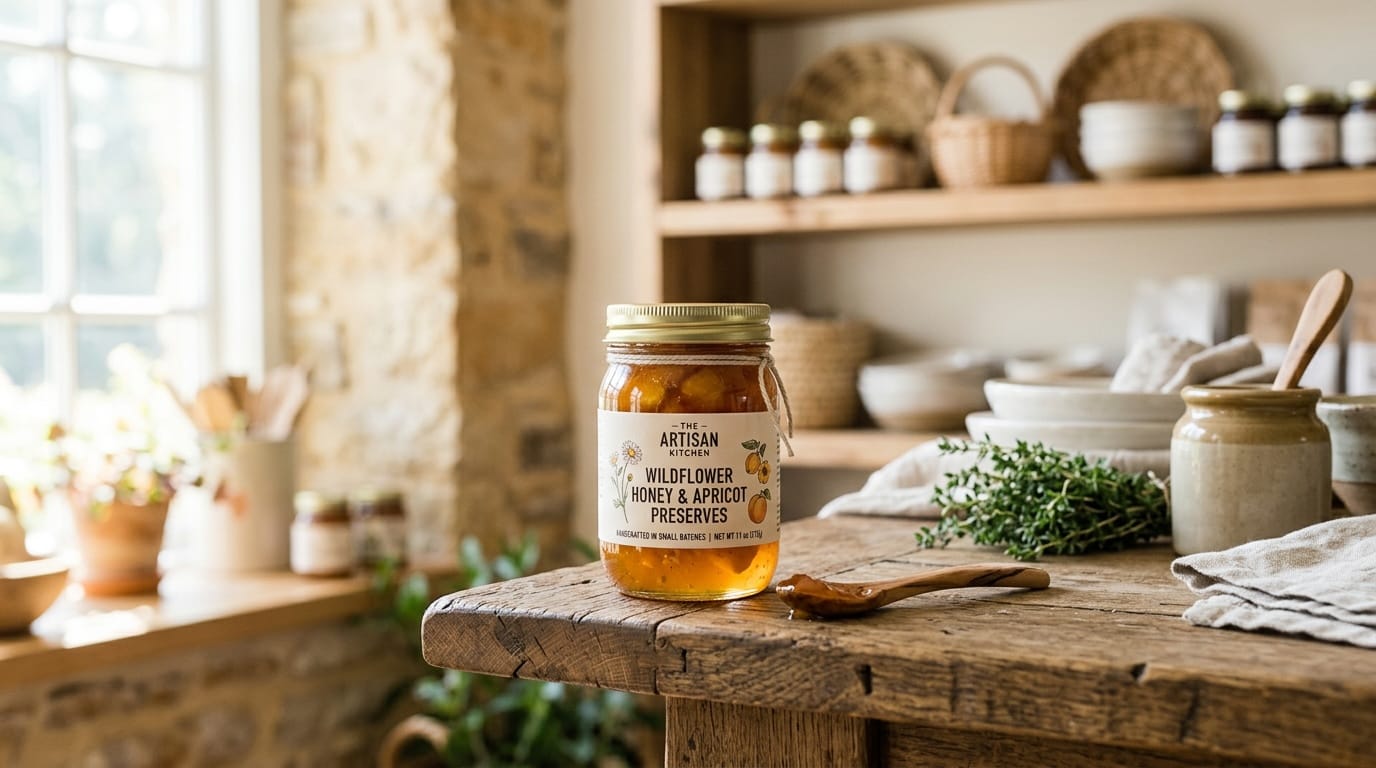
You are at your farmers market booth on a Saturday morning when the owner of the little specialty grocery two blocks away stops by, tastes your salted honey pie, and says: “I would love to carry this in my shop. Can you do wholesale?” It is the moment every cottage food vendor secretly hopes for. But whether you can say yes — legally — depends almost entirely on which state you are standing in.
Here is what you need to know about selling cottage food products to restaurants and specialty stores, and how to make the most of it when your state allows it.
Does Your State Allow Cottage Food Wholesale?
Most states restrict cottage food sales to direct-to-consumer only. That means you can sell at markets, from your home, or online to end customers — but you cannot sell to retail stores, restaurants, or other food businesses without upgrading to a licensed commercial kitchen. This is the default in the majority of US states.
However, a handful of states are meaningfully different. South Carolina is one of the most notable — it allows home-based food producers to wholesale to retail stores with no additional license required. New York allows wholesale to retail stores and restaurants. Pennsylvania’s Limited Food Establishment license allows wholesale and even interstate commerce. Massachusetts allows sales through grocery stores and registered farm markets. Ohio’s Home Bakery License tier opens up wholesale accounts once you are ready to scale.
Before approaching any shop or restaurant, confirm your state’s rules. Check with your state department of agriculture or health, because the rules are specific — and violating them, even unintentionally, puts your whole operation at risk.
How to Approach a Local Shop or Restaurant
If your state allows it, the actual outreach is simpler than most people expect. Start locally and start small. The specialty grocer who already shops at your farmers market booth is infinitely more likely to take a meeting than a regional chain. The chef at the farm-to-table restaurant two towns over is more likely to care about your story than a purchasing manager at a hotel.
Bring samples. Always bring samples. Come prepared with a simple one-page sheet that covers your products, your pricing structure (retail vs. wholesale), your minimum order quantities, your turnaround time, and your labeling. Keep it clean and easy to read — you are asking a busy person to make a relatively fast decision.
Price your wholesale rate correctly from the start. The standard retail markup is 50–100%, which means a shop buying at wholesale expects to sell your product for roughly twice what they pay. Work backward from a price point that still leaves you profitable after your own ingredient and labor costs. If the math does not work, it is better to know that before the conversation than after.
What Shops and Restaurants Actually Want
Local specialty shops want products that tell a story and have consistent quality. They are not looking for the same items they can get from a regional distributor — they are looking for something genuinely local, something with a face behind it, something their customers cannot find on Amazon. Your homemade story is not a liability in this context. It is your strongest selling point.
Restaurants that source locally usually want consistency above everything. Can you deliver twelve jars of jam every two weeks, reliably, without variation in flavor or fill? If yes, you are a reliable supplier. If you are still figuring out your production workflow, be honest about your current capacity and propose a smaller pilot order first.
Labeling and Food Safety for Wholesale
Even in states that allow cottage food wholesale, your labeling requirements may change when selling to retail accounts. Some states require different language or additional information on labels sold to stores versus sold directly to consumers. Confirm the specific labeling rules for wholesale in your state before your first delivery. A retailer who discovers a labeling compliance issue after stocking your product is unlikely to reorder.
When Wholesale Is Not Yet an Option
If your state does not allow cottage food wholesale right now, that does not mean wholesale is permanently off the table — it means you need to plan for it. Many vendors grow their direct-to-consumer business first, build proof of concept and customer demand, and then get a commercial kitchen license or rent time in a shared commissary kitchen when they are ready to take wholesale accounts. Getting there is a real and achievable path. Just plan the bridge instead of assuming the wall is permanent.


Keep reading
More from the market
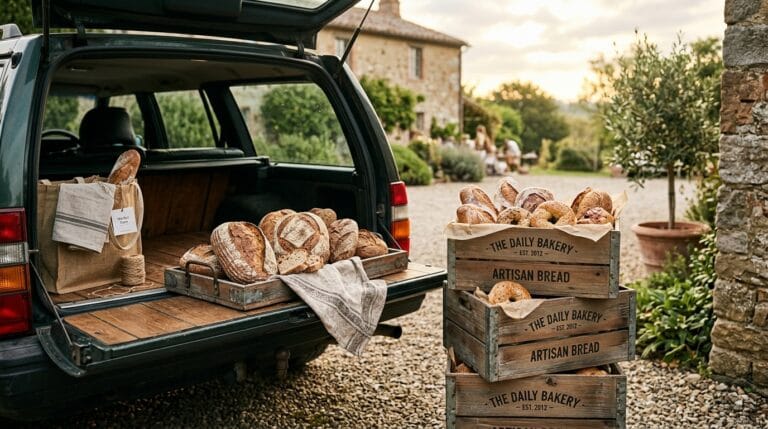
How to Get Your Baked Goods to Market Without Wrecking Them
Cakes slide, frosting sweats, cookies go soft in the car. The crates, timing and packing order that get your bakes to the…
Read more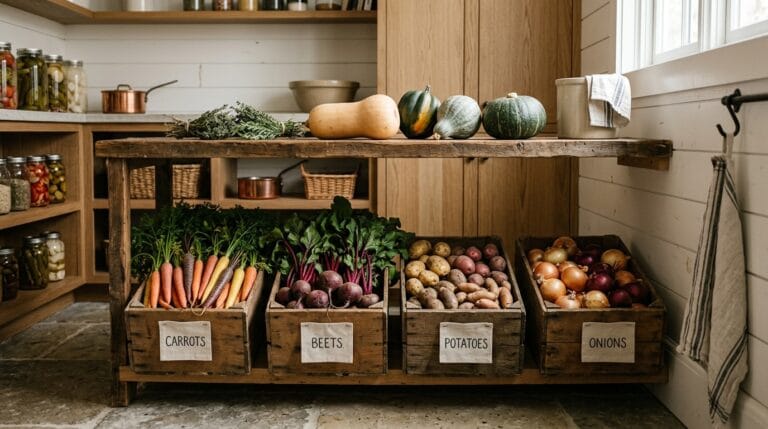
How to Store Root Vegetables and Winter Squash So They Last Until Spring
Potatoes, squash, carrots and onions will keep for months if you get a few things right. What each one wants, and the…
Read more
What to Do With Unsold Stock When the Market Season Ends
The last market of the season ends with a car full of what did not sell. Here is how to turn that…
Read more