How to Land Corporate Gift Orders for Your Cottage Food Business (Start Asking in September)
One corporate gift order can rival an entire market weekend. Here is who buys them, what to offer, when to ask, and the logistics that quietly kill these deals.
 1 min read
Picture the best Saturday you had all summer. The one where the weather held, the crowd was good, and you sold nearly everything you brought. Now picture making that same money from a single email, sent in September, to a real estate office six miles from your house.
That is what corporate gift orders are. One buyer, one invoice, one delivery, and a number that can quietly rival an entire market weekend. And almost no cottage food vendors chase them, because it feels like something only a "real" bakery gets to do.
You are a real bakery. Let us talk about how to go get these.
Why September Is the Month for Corporate Gift Orders
Timing is the whole game here, and most vendors miss it by about eight weeks.
Small businesses start thinking about client gifts far earlier than individuals do. Office managers and marketing coordinators are the ones who get handed this job, and they are looking for a vendor in September and October, not December. By the time you post your holiday menu on Instagram in late November, the decision has already been made, and it was probably made in favor of a mail-order gift basket company with a catalog.
September also lands in a sweet spot for you. Summer market season is winding down, your holiday production has not started yet, and you actually have the mental space to write a few emails. Ninety minutes of outreach in September can lock in revenue you will not have to hustle for in December.
Who Actually Buys Corporate Gifts (It Is Not Who You Think)
When people hear "corporate," they picture a skyscraper. The real buyers for a cottage food vendor are almost always small, local, and relationship-driven. They are businesses whose entire livelihood depends on people liking them.
Start your list here:
- Real estate agents and brokerages. Closing gifts are a genuine line item, and agents want something local and memorable that is not another bottle of wine.
- Insurance agencies and financial advisors. Client retention businesses. They send gifts every single year.
- Dental and medical offices. They gift referring providers, and they feed their own staff constantly.
- Small law firms and accounting practices. Client appreciation is baked into how they operate.
- Car dealerships, salons, veterinary clinics, and local banks. All of them run on repeat customers.
- Any business with more than ten employees. Staff appreciation gifts are a bigger category than client gifts, and the buyer is usually whoever runs the office.
Here is the part that makes this doable: you already know some of these people. Your dentist. Your kid's soccer coach who sells houses. The woman at the credit union who compliments your cookies every time you make a deposit. Warm outreach converts at a wildly higher rate than cold, and your neighborhood is full of warm.
Offer Three Tiers, Not a Menu
The single biggest mistake vendors make is sending a corporate buyer their full product list. That buyer does not want to design anything. They want to make one decision, get it approved, and move on to the forty other things on their desk.
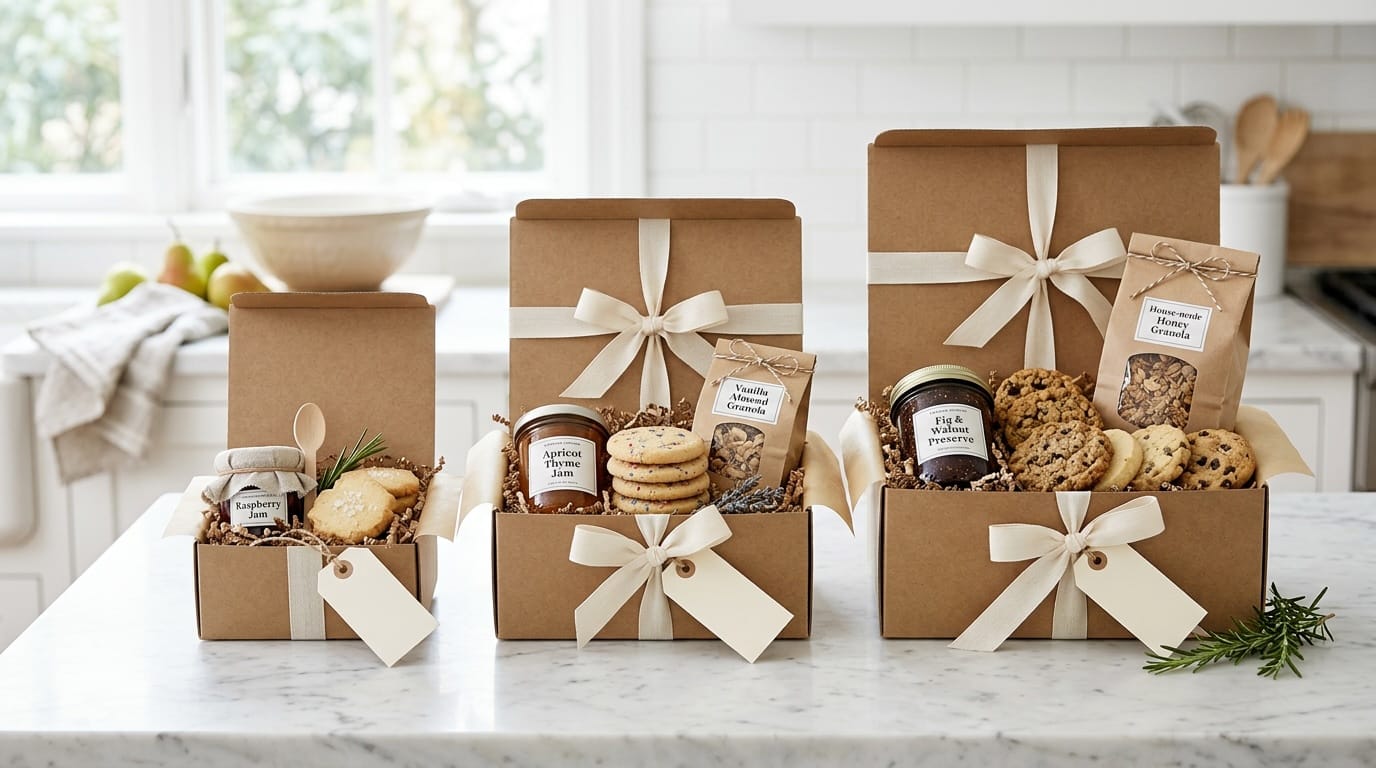
Give them three options with fixed prices per unit. Something like a small tier around fifteen dollars, a middle tier around twenty-five, and a premium tier around forty. Name them. Describe what is in each in one sentence. Set a minimum quantity, usually ten or twelve.
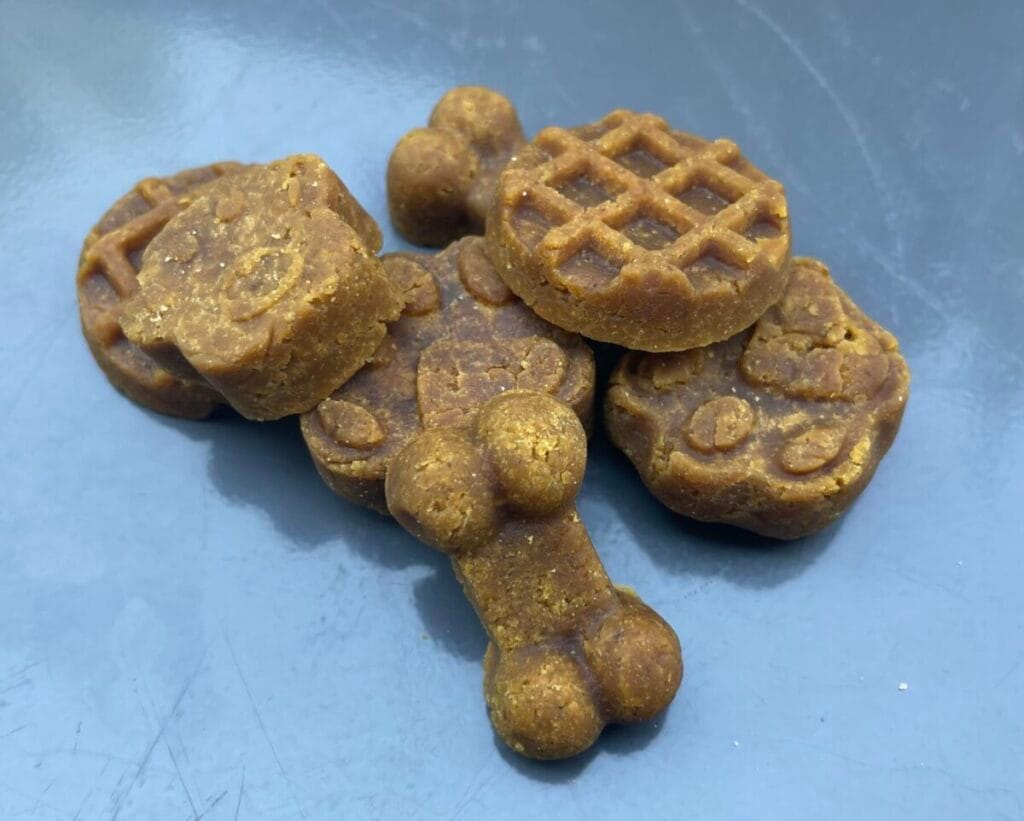
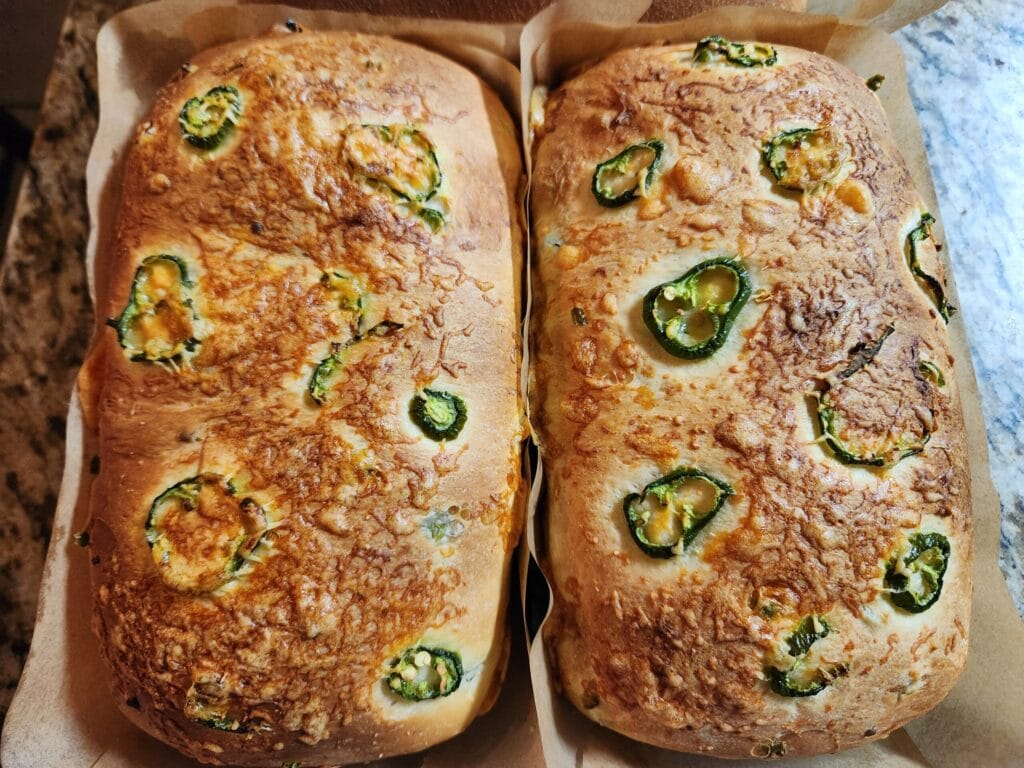
Price these differently than your market pricing, and price them up. Gift buyers consistently support higher price points than farmers market shoppers, because they are not comparing you to the grocery store. They are comparing you to a generic gift basket that costs sixty dollars and tastes like cardboard. You are the better option at a better price, and you should not underprice yourself into looking cheap.
Add the things that cost you almost nothing and matter enormously to a corporate buyer: a custom gift tag with their logo or a handwritten note card, and the option to deliver to a single address. Both are easy for you. Both are worth real money to them.
How to Make the Ask
You need two things: a one-page sheet and a short email. That is the entire sales system.
The one-pager is a single PDF with your three tiers, a photograph of each, your minimum quantity, your order deadline, and how to reach you. No paragraphs about your journey. They will read it in forty seconds.
The email is five sentences. Who you are and where you are local. What you make. That you are booking holiday client and staff gifts now. The three tiers with starting prices. A question that is easy to answer, like "Would it help if I dropped off a sample box this week?"
Then actually drop off the sample box. This is the step that separates the vendors who land these orders from the ones who send an email and wonder why nobody replied. A small box of your best work, handed to a receptionist with a card, costs you maybe twelve dollars and puts your product in the mouths of the exact people who make the decision. It works almost embarrassingly well.
The Logistics That Kill These Deals
Corporate buyers are lovely to work with right up until you hit a detail you did not plan for. Sort these out before you send a single email.
Lead time. Tell them exactly how much notice you need, and pad it. Two to three weeks is reasonable for a fifty-unit order. Put it on the one-pager.
Allergens and dietary needs. Every office has someone with a restriction, and the buyer will ask. Decide in advance whether you offer a gluten-free or nut-free version, or whether you simply label everything clearly and let them sort it. Either answer is fine. Not having an answer is not.
Payment. Many businesses cannot pay a person, they can only pay an invoice, and some need a W-9 on file. Have a simple invoice ready and be prepared to take a check or a card. Ask for fifty percent up front on anything over a certain size.
Delivery. Decide your radius and whether you charge for it. Free local delivery within fifteen minutes is a great closer. Driving ninety minutes for one box is not a business.
Labeling. Your cottage food labeling requirements still apply on a corporate order, every bit as much as at the market. Do not let a big order tempt you into a shortcut.

Send Three Emails This Week
Not thirty. Three. Pick the three businesses where you already know a human being, write the five-sentence email, and hit send.
Most of them will not respond, and that is genuinely fine. It only takes one office manager saying "how many can you do by December 10th?" to change the shape of your entire fourth quarter. And once a business orders from you, they tend to order again the next year without you asking, which is the closest thing to a gift a small food business ever gets.
You are already making the product. The only thing standing between you and these orders is somebody local knowing you exist.

Keep reading
More from the market
What’s at the Farmers Market in November? Your Late-Fall Shopping Guide
November farmers markets are smaller, colder, and sweeter than you expect. Here is what is in season, what frost improves, and what…
Read more
Cold-Weather Booth Setup: Wind, Light, and Days That End at Four
A booth built for August falls apart in November. What to change for wind, cold and a market that ends after dark…
Read more
Selling from a Farm Stand: What It Takes and What It Makes
A stand at the end of the drive has no booth fee and no set hours. What to check before you build…
Read more