
How to Roast Any Vegetable (One Method, Your Whole Market Haul)
One temperature, one pan, three rules that decide everything. Timings for the whole fall market table, and the crowding mistake that steams instead of roasts.
 1 min read
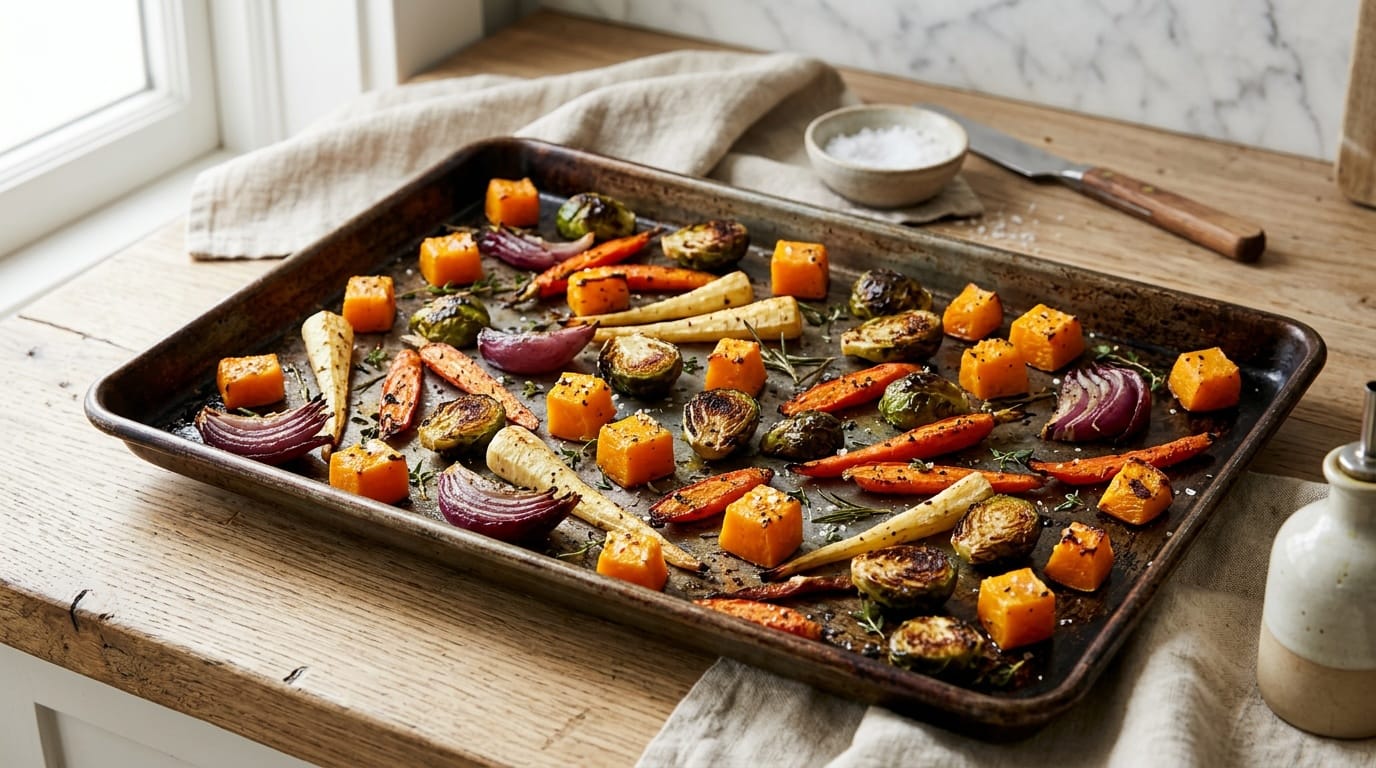
A roasting tray is the most useful thing you can do with a market haul, because it turns almost anything into dinner and asks nothing of you but twenty-five minutes of not being in the kitchen.
It is also where most home cooks lose the plot, and the reason is nearly always the same one.
The three rules, and only the first one is hard
Hot oven. 425°F. Not 375°F, which is the temperature at which vegetables slowly dehydrate and go leathery without ever browning. You want the outside to caramelise before the inside overcooks, and that takes real heat.
Enough fat. More than feels right — about a tablespoon of oil per pound. Fat conducts heat into the surface and is what makes the edges crisp. Under-oiled vegetables dry out and taste dusty.
Room on the pan. This is the one everyone gets wrong. Vegetables release water as they cook. On a crowded pan that steam has nowhere to go, so the vegetables sit in it and poach. Single layer, gaps between pieces, and use two pans rather than one heaped one. A half-empty tray looks wasteful and is the entire secret.
Two smaller things that help: preheat the tray along with the oven so the first contact sears, and leave them alone. Stirring every ten minutes interrupts the browning. Once, halfway, at most.
How long things take
All at 425°F, cut into roughly even pieces about an inch across.
15–20 minutes: asparagus, green beans, cherry tomatoes, mushrooms, courgette, peppers, broccoli and cauliflower florets, sliced onions.
25–35 minutes: Brussels sprouts halved, carrots, parsnips, sweet potato, butternut squash cubed, new potatoes halved, fennel, beets cut small.



45 minutes to an hour: whole beets, whole squash halves, whole heads of garlic, large potatoes.
The obvious implication: do not put asparagus and beets on the same tray at the same time. Either cut the slow thing smaller, or give the slow thing a fifteen-minute head start and add the quick thing later. That single habit is what separates a good tray from one with burnt onions and raw carrot.
Cut for the result you want
Smaller pieces mean more surface, more browning, faster cooking. Larger pieces stay creamy in the middle.
Flat cut sides brown far better than round ones, which is why halved Brussels sprouts placed cut-side down beat whole ones every time, and why a wedge of onion beats a ring.
Keep pieces on one tray about the same size. Uneven pieces give you burnt and raw simultaneously, which is the least satisfying possible outcome.
Season in the right order
Salt and oil before it goes in. Salt draws a little moisture to the surface where it evaporates and helps browning.
Hardy herbs — rosemary, thyme, sage — can go in from the start. Delicate ones — parsley, dill, basil — burn, so they go on after.
Anything with sugar in it goes on at the end: honey, maple, balsamic, and most marinades. Added at the start they scorch black long before the vegetable is cooked. Roast plain, then toss in the glaze for the last five minutes or after it comes out.
Garlic burns in twenty-five minutes when chopped. Leave the cloves whole and skin-on, or add chopped garlic in the last ten.
What to do with the tray once it exists
Eat it as a side, obviously. But a tray of roast vegetables is also the start of about five other things, which is why it is worth roasting twice as much as you need.
Blitz with stock for soup. Pile onto a grain with a dollop of yoghurt for a bowl. Fold through pasta with the pan scrapings and a little of the cooking water. Layer into a sandwich with something sharp. Tip into a frying pan with eggs cracked over the top for the best breakfast of the week.
Finish with something acidic and something crunchy, nearly always. A squeeze of lemon, a splash of vinegar, and a handful of toasted nuts or seeds turns a tray of soft sweet vegetables into a dish that tastes finished.
What is going on your tray this week? Mine is whatever the market had too much of, which in October is reliably squash.

Keep reading
More from the market
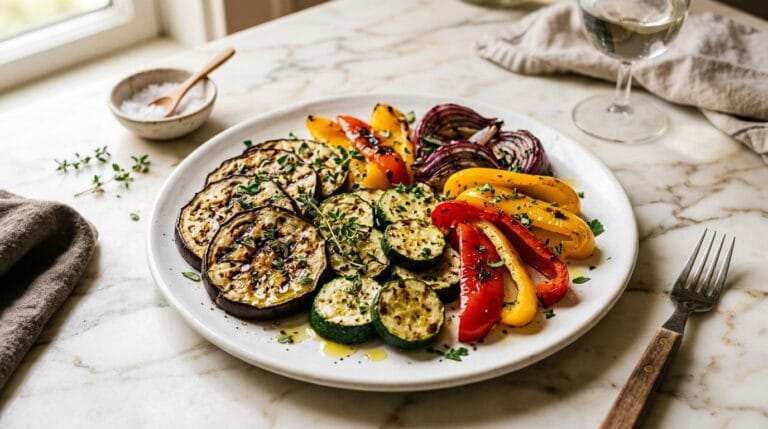
How to Grill Summer Vegetables (Eggplant, Zucchini, Peppers & More)
Grilling turns a farmers market vegetable haul into the best part of dinner. Here's how to grill eggplant, zucchini, peppers, and onions…
Read more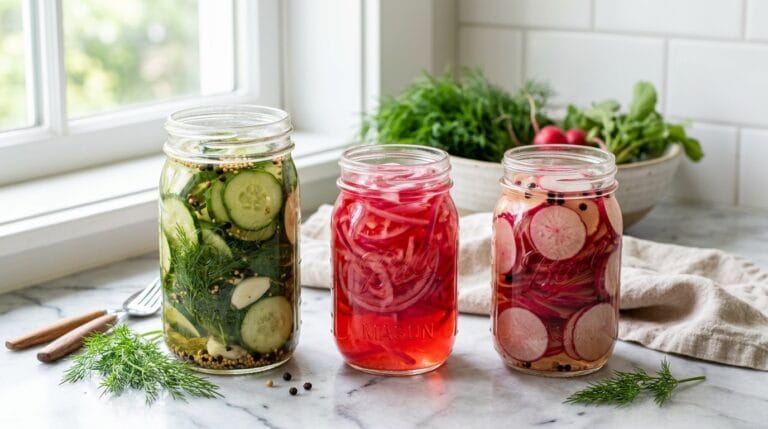
How to Make Refrigerator Pickles at Home (No Canning, No Special Equipment, Just Really Good Pickles)
Refrigerator pickles require no canning equipment and are ready in 24 hours. Here is the brine ratio, the flavor add-ins, and the…
Read more
How to Make Compound Butter with Fresh Market Herbs (And Why You’ll Never Go Back to Plain)
Fresh herbs from the farmers market, softened butter, ten minutes. Compound butter is the easiest upgrade your kitchen has ever seen —…
Read more