
How to Photograph Your Food for Farmers Markets and Online Sales (No Fancy Camera Required)
Great food photos are the difference between a browser and a buyer. Here's how cottage food sellers can take professional-looking product shots with nothing but a phone and good natural light.
 1 min read
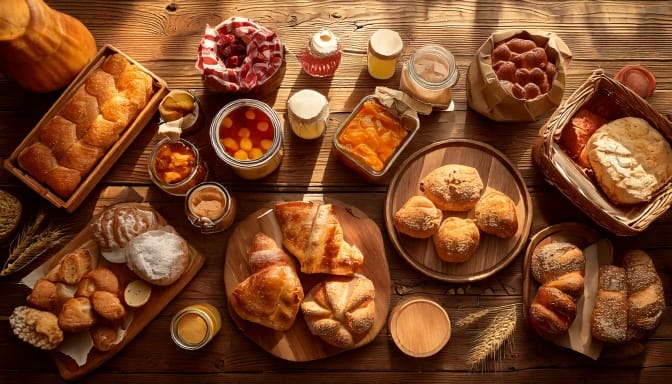
You've spent hours making those cookies. The jam is the best batch you've ever done. Your booth looks great in person. But online? The photos are killing your sales before customers even get to taste anything.
Here's the thing about food photography for cottage food sellers: you don't need a DSLR, a photography course, or a ring light the size of a flying saucer. You need good light, a clean setup, and a few techniques that the pros use without thinking about them anymore. Let's make this simple.
Light Is Everything — And You Already Have It
The single biggest upgrade you can make to your food photos costs nothing: stop using your flash and start using natural light. Direct flash creates harsh shadows and washes out texture — the exact opposite of what makes food look appetizing.
Find a window with indirect light — not direct sunlight streaming in, but the soft, diffused light you get on an overcast day or from a shaded window. Place your food right next to it. That's it. That's the professional lighting setup. Morning light tends to be the warmest and most flattering; afternoon can work well too. If the light is too harsh, hang a white curtain or tape a piece of white paper to the window to diffuse it.
For outdoor farmers market shooting, avoid midday sun. The hour after sunrise and before sunset gives you that golden, warm light that makes everything look like it belongs in a cookbook.
Get Closer. Seriously, Way Closer.
Most first-time food photographers stand too far back. They include the whole booth, the table, the background, and eventually a blurry stranger in the corner. The result is a photo that says "I have a booth" rather than "this food is extraordinary."
Fill the frame with the food. Get close enough that the texture of your pie crust or the glossy surface of your jam is visible. Use portrait mode on your phone (the one that blurs the background) for close-up shots of individual items — it mimics the shallow depth of field professional cameras use to make food pop.
The Overhead Shot: Your Secret Weapon
A straight-down, overhead perspective is one of the most effective compositions for cottage food photography. It works especially well for flat items like cookies, bars, and sliced bread, and for collections of multiple items — jars arranged together, a variety of treats laid out on parchment.
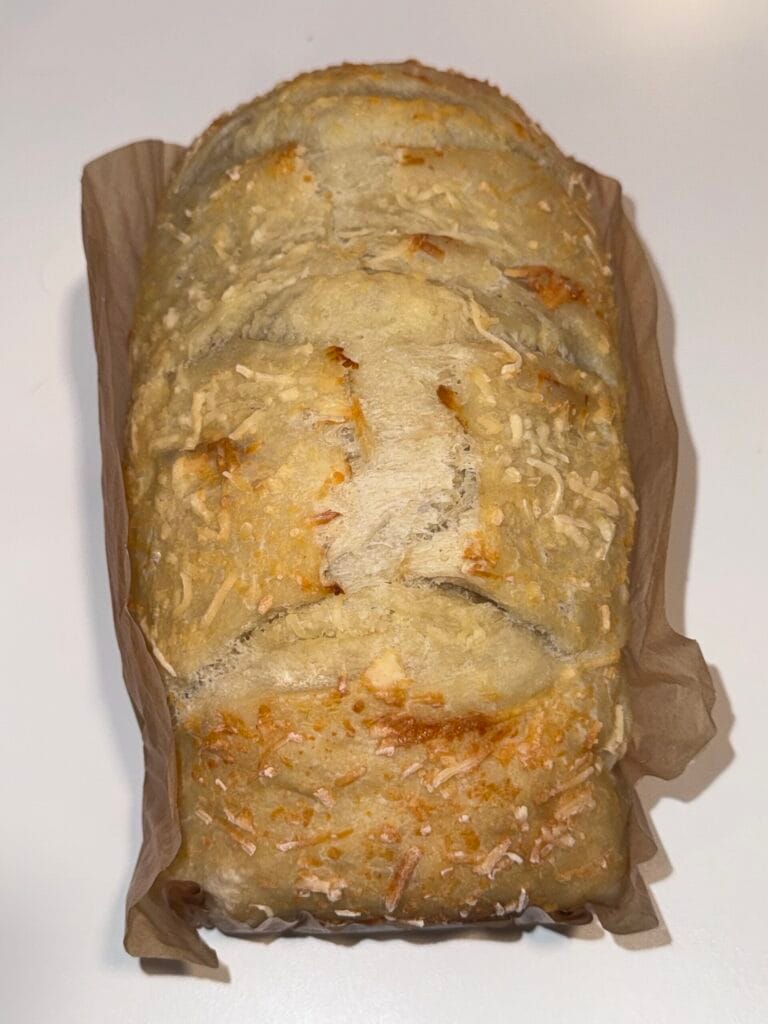
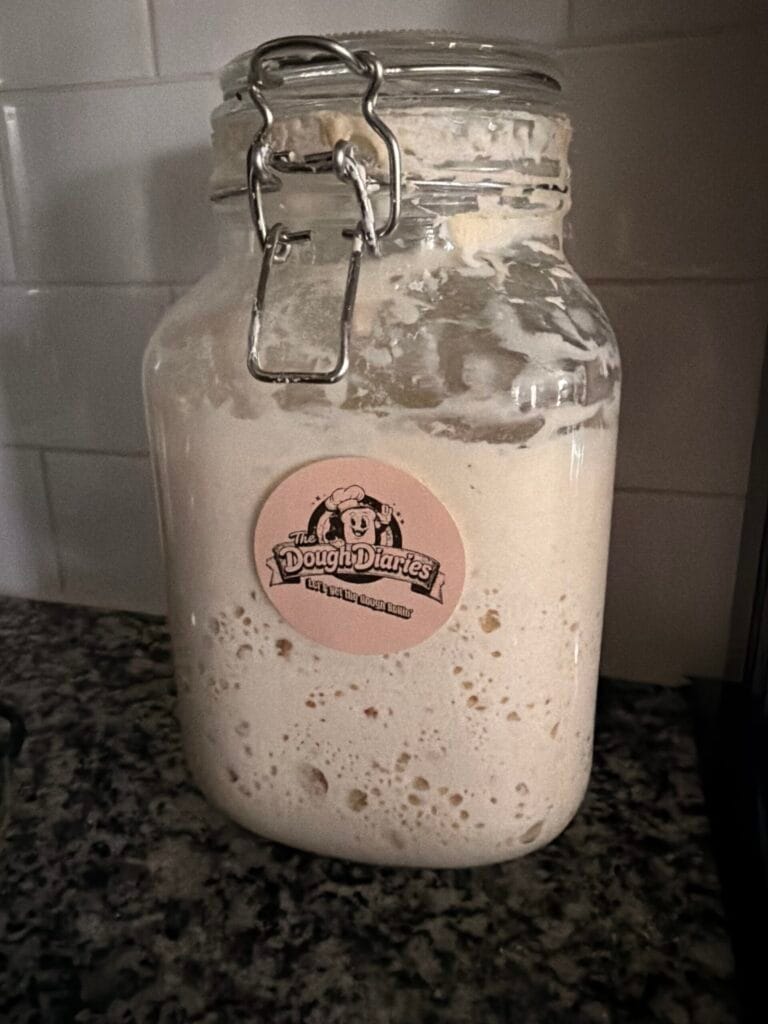
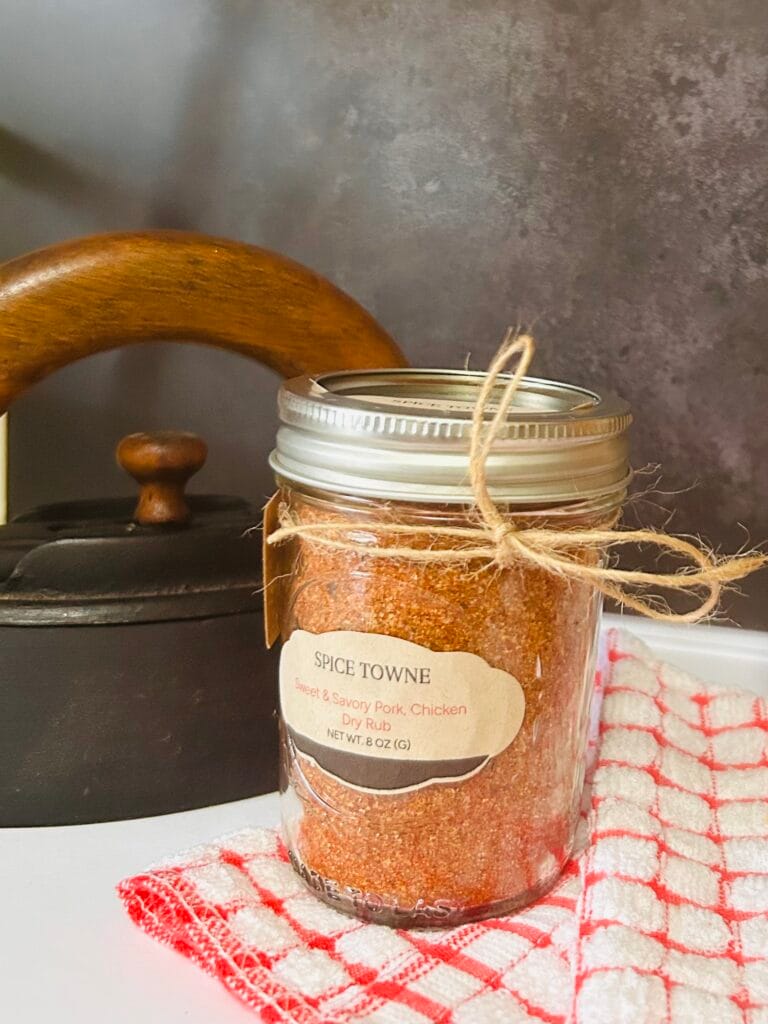

To nail the overhead shot: place your food on a clean, neutral surface (a wooden cutting board, white parchment, a piece of linen, or a marble-look vinyl sheet from a craft store all work beautifully). Hold your phone directly above, parallel to the surface, and shoot. No tilting. Dead-on overhead. The symmetry and cleanliness of this shot makes food look intentional and professional.
Backgrounds That Work (and Ones That Don't)
Cluttered backgrounds compete with your food for attention. Busy tablecloths, colorful signs behind your booth, or a pile of packing materials in the background all pull the eye away from what you're trying to sell.
Simple backgrounds win: a wooden cutting board, a white marble surface (real or vinyl), a piece of natural linen or burlap, parchment paper. Muted, natural tones let the color and texture of your food be the star. At your booth, consider keeping a piece of clean, neutral fabric specifically for taking product photos — it takes thirty seconds to lay down and makes a dramatic difference.
Tell the Story, Not Just the Product
The photos that build real customer connection show a little context. Fresh ingredients next to the finished product. The jar of jam with a knife and a slice of bread. Cookies on a plate with a cup of coffee. These details communicate "someone who cares about food made this" — which is the entire point of buying from a local cottage food producer.
You don't need props. Use what's in your kitchen or garden: a sprig of the herb you used, the fruit before it became the jam, a bowl of the nuts that went into the granola. Authentic beats staged every single time.
Your Phone Is Enough — But Edit Your Photos
Modern smartphones take genuinely excellent food photos if you use good light. What separates a mediocre phone photo from a great one is usually a thirty-second edit: bump up the brightness slightly, add a touch of contrast, and increase the "warmth" or temperature slider just a hair. The free Adobe Lightroom app, Snapseed, and even Instagram's built-in editor can all get you there without any technical knowledge.
One rule: don't over-filter. Heavy filters look dated, and more importantly, they make your food look less like food. The goal is to make your product look exactly like it does in real life — just on its very best day.
Use Your Photos Everywhere
Once you have a library of solid food photos, use them everywhere: your Butter & Sage Market shop page, your farmers market social posts, your Instagram, your order confirmation emails. Customers who buy online are buying blind — they're trusting your photos entirely. A great product photo isn't vanity, it's sales infrastructure.
Start with one good setup: a clean background, a window, and your best product. Take twenty photos. Delete fifteen. Post the best five. Repeat until your whole product line has great images. You'll see the difference in engagement within a week.
— Amy
Fresh. Local. Sustainable.

Keep reading
More from the market
What’s at the Farmers Market in November? Your Late-Fall Shopping Guide
November farmers markets are smaller, colder, and sweeter than you expect. Here is what is in season, what frost improves, and what…
Read more
How to Survive a Slow Market Day (And Get Something Out of It)
Four hours, eleven customers, a full table. What to do with a dead market instead of scrolling, and how to leave with…
Read more
Cold-Weather Booth Setup: Wind, Light, and Days That End at Four
A booth built for August falls apart in November. What to change for wind, cold and a market that ends after dark…
Read more