

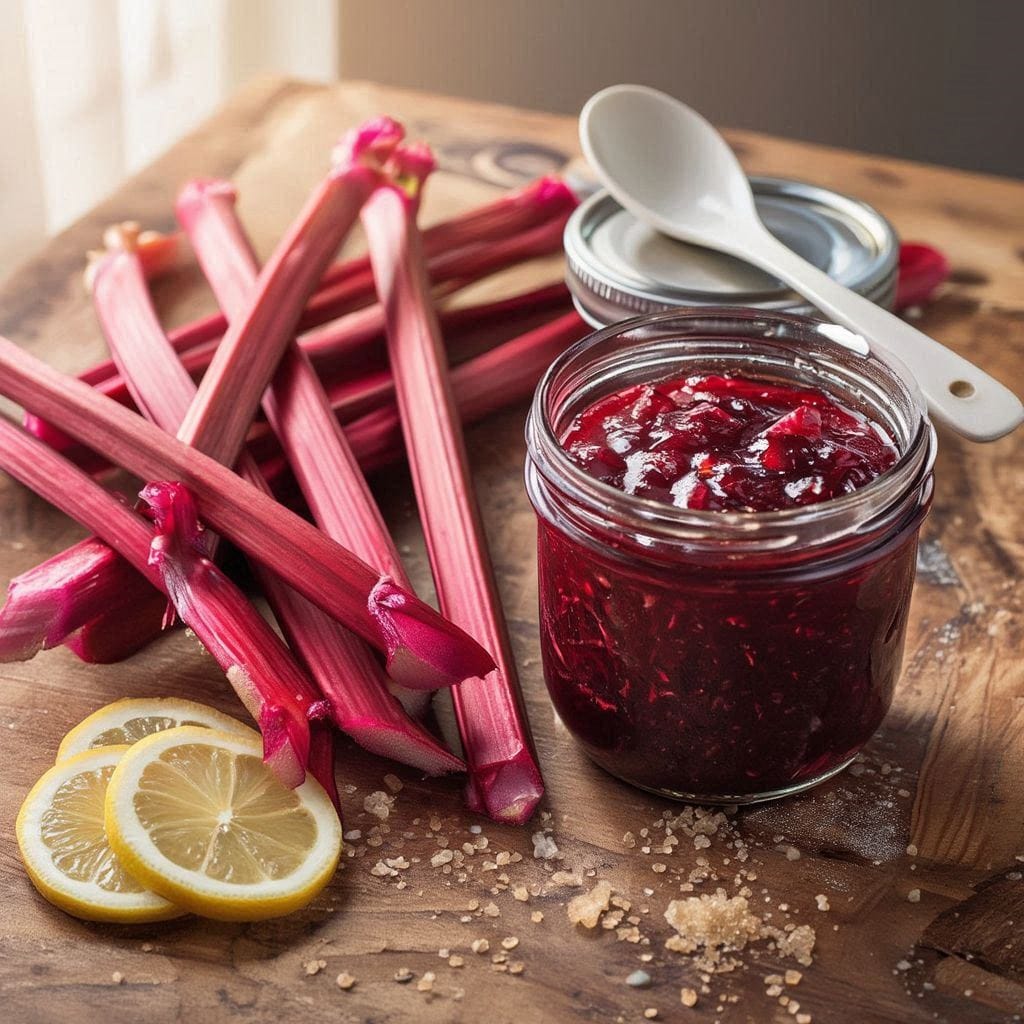
Why Rhubarb Jam Doesn't Need Pectin (And Why That Matters)
Rhubarb shows up at the farmers market for about six weeks—mid-March through early May—and then it's gone. If you've ever bought a bunch thinking "I'll use this for something special," only to watch it wilt in your crisper drawer, this jam is your answer. It's simple, it's fast, and it tastes like spring tastes.
But here's the thing: most jam recipes start with a panic about pectin. "Do I have enough? Did I use the right kind? Is my jam going to set?" It's a whole anxiety spiral that keeps people from jamming at all. Rhubarb doesn't care about your pectin anxiety. Rhubarb has its own.
Rhubarb Has Built-In Jam Magic
Pectin is the fiber in fruit that thickens jam. Most fruits don't have enough of it naturally—that's why you add the powdered stuff. But rhubarb is the overachiever of the fruit world. It's absolutely loaded with natural pectin. All you have to do is activate it.
How? Acid. Lemon juice wakes up rhubarb's pectin and sets the jam without any commercial help. You just need rhubarb, sugar, lemon, and patience. Four things. The wrinkle test (drop hot jam on a frozen plate—if it wrinkles when you push it, it's done) is your only gadget. Just you and the pot, waiting for that magic moment when juice becomes jam.
Spring Sourcing: Farmers Market Timing
Rhubarb is one of the earliest spring crops—it shows up when the soil still has winter in it. When you see those ruby-red or pink stalks at your farmers market, grab them. The vendors know this is a short season. They're happy to see you take bunches off their hands.

Buy it fresh, use it within a few days, and turn it into jam while it's still tart and vibrant. Frozen rhubarb will work too if spring has already passed where you are, but fresh is prettier and needs less sugar.
Small batches are the move here. Two pounds makes two half-pint jars—enough to give away, enough to keep for yourself, enough to fit in a normal pot without it boiling over your stove. (I say this from experience. Do not underestimate rhubarb's ambitions.)
This Jam Sells
If you've ever thought about selling food from your home kitchen—jams, preserves, that kind of thing—rhubarb jam is a friendly entry point. Most states have cottage food laws that let you make and sell certain foods without a commercial license. Jams are on that list in many places. Check your state's rules, but odds are good you can make this.
And people will buy it. Rhubarb jam isn't common. It's a little tart, a little sweet, it has a gorgeous color, and it tastes like care. It's the kind of product you see at a farmers market and think, "I want to know who made this." That's your neighbor making jam in their kitchen, building a small food business one jar at a time.
Make this jam. Spread it thick on toast. Give jars away. Or build something. The rhubarb is waiting.
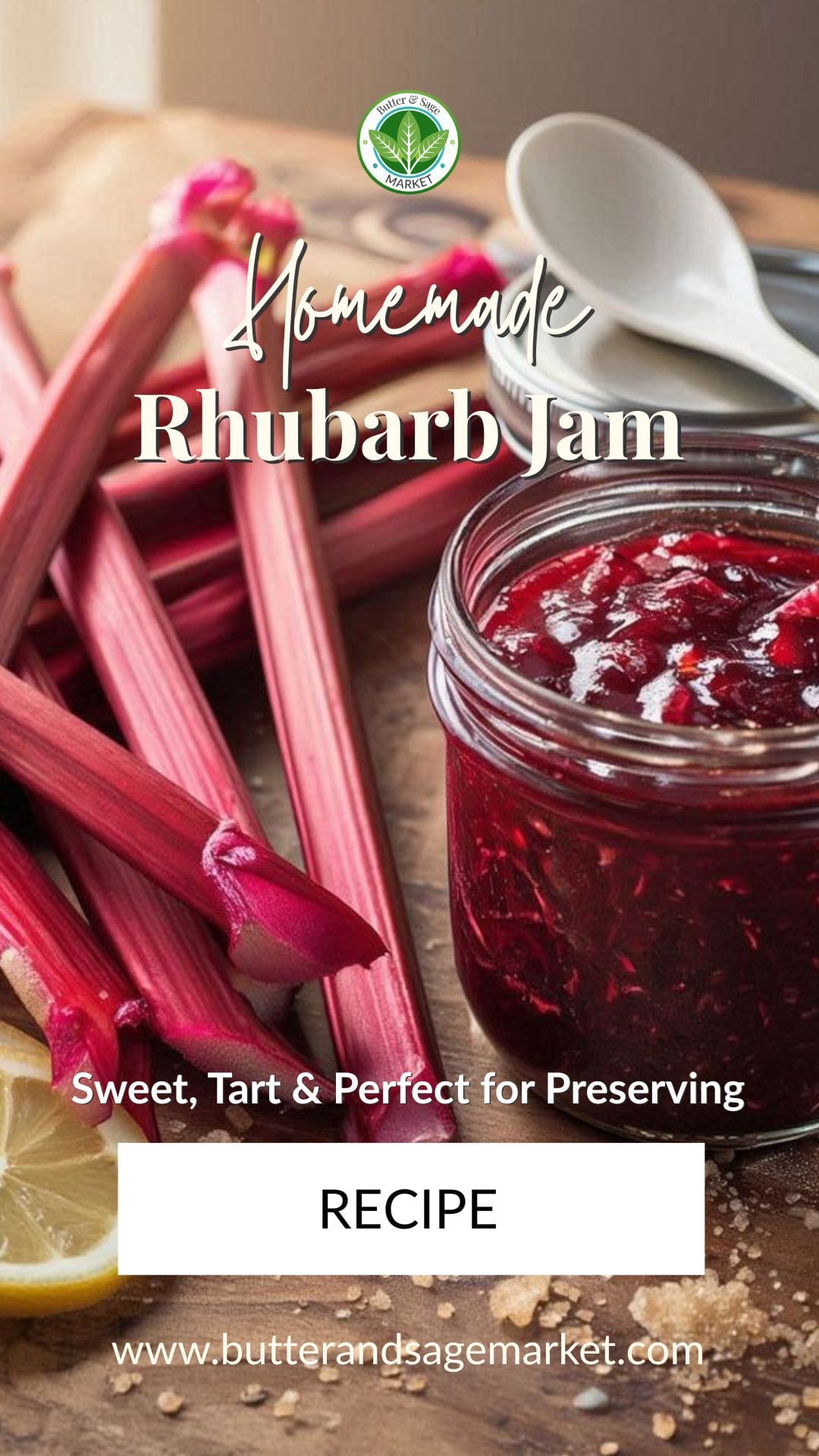
Small-Batch Rhubarb Jam (No Pectin Needed)
A simple, four-ingredient rhubarb jam that sets perfectly without commercial pectin. Rhubarb is naturally high in pectin — all it needs is a little lemon juice and time. Perfect for spring farmers market season.
Ingredients
Instructions
- Combine the rhubarb, sugar, and lemon juice in a large heavy-bottomed pot. Stir to coat. Let sit for 15–30 minutes until the rhubarb releases its juice and the sugar begins to dissolve.
- Place a small plate in the freezer — you'll use this for the wrinkle test later.
- Bring the mixture to a boil over medium-high heat, stirring frequently. It will bubble vigorously.
- Reduce to a vigorous simmer. Cook uncovered for 20–25 minutes, stirring every few minutes and skimming any foam that rises to the surface. The jam will deepen in color and thicken noticeably.
- Test for set: drop a small spoonful onto your frozen plate. Let it cool 30 seconds, then push it with your finger. If it wrinkles and holds its shape, it's done. If it flows back together, cook 5 more minutes and test again. Target temperature: 220°F (104°C).
- Remove from heat. Stir in lemon zest if using. Skim any remaining foam.
- Ladle into clean jars. Process in a water bath canner for 10 minutes for shelf-stable storage, or let cool completely and refrigerate for up to 3 weeks.
Notes
Frozen rhubarb works too: thaw completely and drain off excess liquid before using, then reduce sugar by 2 tablespoons.
For a sweeter jam: increase sugar to 1¾ cups. For a more tart jam: reduce to 1¼ cups.
Cottage food sellers: rhubarb jam is permitted under most state cottage food laws. Check your state's specific approved product list.

Keep reading
More from the market
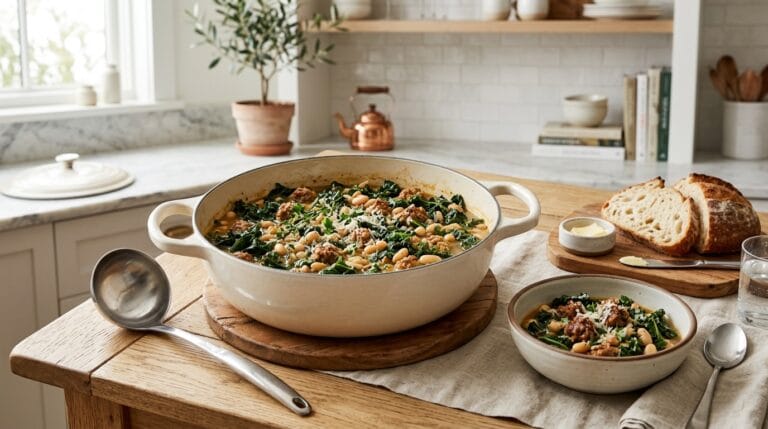
Kale and White Bean Stew with Sausage
One pot and forty minutes. Sausage, creamy white beans and a whole bunch of market kale, with the vinegar trick that stops…
Read more
Skillet Baked Eggs with Blistered Tomatoes and Feta
One skillet, thirty minutes, and the best possible use of late-summer market tomatoes and farm eggs. Breakfast, lunch, or a very good…
Read more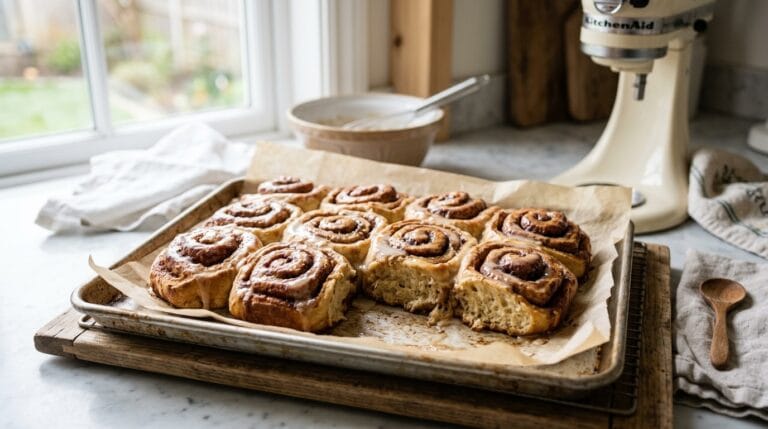
Overnight Sourdough Cinnamon Rolls (Soft, Tangy, and Market-Ready)
Soft, tangy overnight sourdough cinnamon rolls. The cold rise does the work while you sleep — and they hold up beautifully on…
Read more