What to Sell at a Farmers Market: 15 Cottage Food Products That Customers Grab First
Wondering what to sell at a farmers market? These 15 cottage food products — from jams to granola to spice blends — are proven bestsellers with strong margins and loyal repeat customers.
 1 min read
So you've decided to set up a booth at your local farmers market. Congratulations — you're about to enter one of the most genuinely fun ways to build a small food business. But before you commit to making 200 units of something, it's worth spending some time thinking about what actually sells well at farmers markets, and why.
The short answer: people at farmers markets are in a buying mood, they're there specifically to discover local makers, and they are far more open to impulse purchases than they would be in a grocery store. The key is giving them something they can't get anywhere else. Here are 15 cottage food products that consistently fly off the table — and some notes on why each one works so well.
Jams, Jellies, and Preserves
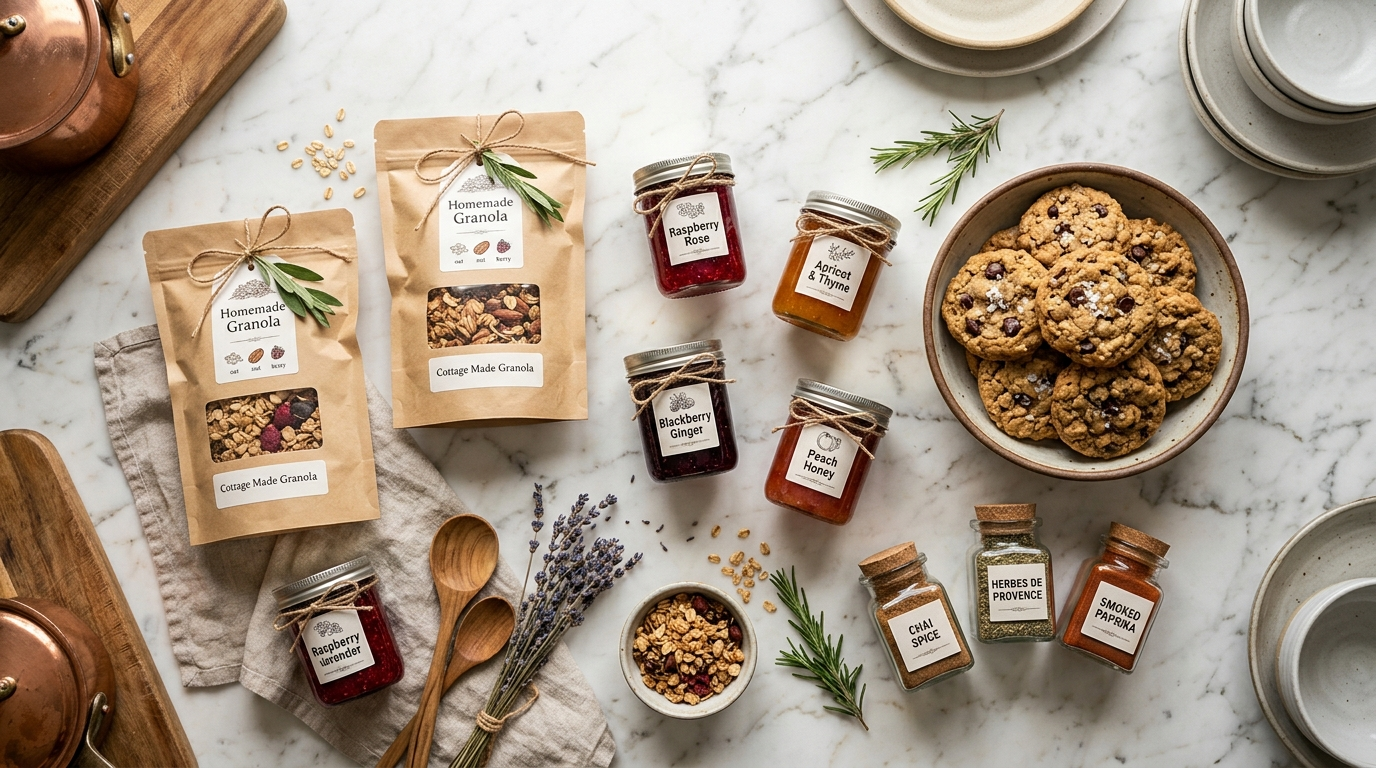
Jams are the OG of cottage food sales, and for good reason. An 8-ounce jar costs roughly $1.50–$3.00 in ingredients and packaging, and sells for $7–$12 at a farmers market — margins that are genuinely hard to beat. More importantly, homemade jam is something customers understand immediately. They know what it is, they know why yours is better than the grocery store version, and they often buy multiple jars at once once they've tasted a sample. Go seasonal with your flavors (strawberry in June, peach in August, apple butter in fall) and customers will come back week after week to see what's new.
Granola
Granola is one of the highest-margin cottage food products period. A pound of ingredients costs $2–$4, and packaged granola at farmers markets sells for $8–$14 per pound. It scales easily in large batches, has an excellent shelf life, and the flavor variations are virtually endless — think maple walnut, dark chocolate cherry, cardamom orange, or whatever feels right for your farmers market crowd. A well-branded kraft bag with a clear window goes a long way.
Cookies
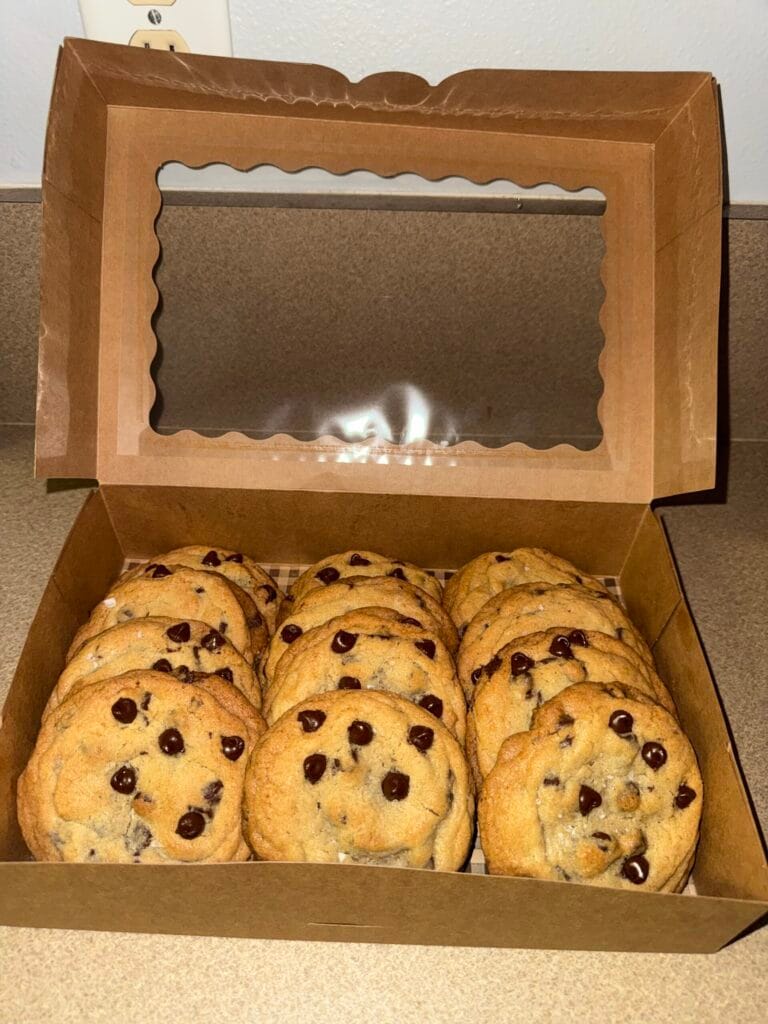
Cookies are the ultimate impulse buy. They're the right price point for someone who wants to treat themselves without committing to a whole cake, they're easy to sample, and the variety of flavors means repeat customers have a reason to come back. Classic chocolate chip and snickerdoodle are reliable bestsellers, but don't underestimate the power of a well-executed seasonal flavor — lavender shortbread in spring, pumpkin spice in fall, peppermint chocolate in December.
Sourdough and Artisan Bread
If you have a good sourdough starter and the patience to work with it, you have a product that basically sells itself. Farmers market shoppers are exactly the demographic that seeks out real sourdough — people who care about ingredients, fermentation, and flavor. A loaf priced at $8–$12 feels completely reasonable to someone who knows what goes into it, and many bread vendors sell out within the first hour of the market.
Quick Breads and Muffins
Banana bread, zucchini bread, lemon poppy seed loaf, blueberry muffins — these are the comfort classics that appeal to everyone from young kids to grandparents. They're also deeply seasonal, which gives you a natural reason to rotate your offerings and keeps your regular customers excited about what you'll have each week. Individually wrapped muffins sell well as single-serving impulse buys; full loaves are great for the customer who wants to bring something home for the family.
Cinnamon Rolls and Pastries
If you've ever stood near a farmers market booth selling fresh cinnamon rolls, you already know: the smell alone closes the sale. Pastries and cinnamon rolls have a higher prep commitment than cookies, but they command premium prices and create an event around your booth. Many vendors sell out before 9am.
Spice Blends and Dry Rubs
Here's a secret weapon: spice blends have some of the highest markup of any cottage food product — often 4x–10x ingredient cost. A jar of custom seasoning that costs $1.50 to fill can sell for $8–$12, and customers love them because they feel like a discovery. A great "everything bagel" blend, a smoky BBQ rub, a za'atar mix, or a proprietary chai spice blend gives your booth something unique that people genuinely can't find at the grocery store.

Fudge and Candy
Fudge is one of those products that people always buy more of than they intended. The per-piece pricing makes it feel accessible, the flavors are fun to mix and match, and it photographs beautifully for social media. Classic chocolate, peanut butter, salted caramel, and seasonal flavors all perform well. Fudge also holds up well in warm weather as long as you keep it shaded — no refrigeration required.
Candied Nuts
Candied almonds and pecans are a staple at farmers markets for a reason — they smell incredible, they're shelf-stable, they're easy to sample, and customers almost always buy more than one bag. Cinnamon sugar is the classic, but variations like rosemary sea salt or cayenne brown sugar add a premium feel that justifies a higher price point.
Scones
Scones tend to attract the farmers market shopper who wants something a little more refined than a muffin. They're great for markets with a strong coffee presence (which is most of them), and seasonal flavors like strawberry cream, lemon blueberry, or apple cinnamon pair beautifully with the time of year. Individually packaged scones hold well through the morning and don't require refrigeration.
Dry Baking Mixes
Pancake mix, cookie mix, brownie mix, cornbread mix — packaged in a cute jar or kraft bag with a recipe card attached, these sell really well as gifts. Customers love the idea of something homemade that they can make themselves (or give to someone else to make). Dry mixes also have a long shelf life and are easy to ship for online orders, which makes them a great product to offer both at the market and through your online shop.
Flavored Vinegars and Infused Oils
Specialty food customers — which is most of the farmers market demographic — go absolutely wild for a good flavored vinegar or infused oil. Tarragon vinegar, raspberry balsamic, garlic herb olive oil, chili-infused avocado oil — these feel luxurious, they last forever, and the markup potential is significant. Check your state's cottage food law to confirm these are covered in your area, as rules vary.
Brownies and Bars
Brownies are a perennial bestseller at every price point. A beautifully packaged individual brownie at $3–$4 is an easy yes for most farmers market shoppers. Specialty bars — blondies, lemon bars, pecan pie bars — add variety and give customers a reason to try something new each visit. Like cookies, they're the kind of product people buy for themselves and immediately regret not buying more of.
Herbal Teas and Dried Herb Blends
Loose-leaf herbal tea blends are a natural fit for farmers markets with a wellness-oriented crowd, and they're one of the most visually beautiful products you can sell — layered herbs and flowers in a clear jar or cellophane bag photograph stunningly. Sleep blends, immunity blends, digestive teas, and seasonal florals all have dedicated audiences. These are also a great cross-sell for markets where you're also selling baked goods.
Popcorn
Kettle corn and gourmet popcorn are genuine crowd-pleasers, especially at markets with families. The snackability factor is high (people eat it while they shop), the flavors can be incredibly creative, and the packaging options are fun — from large bags to individual snack-sized portions. Sweet, savory, and spicy variations all have their fans.
A Note on Finding Your Own Best Sellers
The truth is, the best seller at your booth will depend on your specific market, your community, and your own particular talent in the kitchen. The products above are consistently strong performers, but your blackberry jam or your rosemary sea salt shortbread might be the thing that makes people come back every single week asking for more.
Start with two or three products, pay attention to what customers reach for first, and iterate from there. And when your farmers market regulars start asking if they can get your products outside of Saturday mornings — that's a great sign it's time to open your online shop too. Butter & Sage Market is built for exactly that next step.
Fresh. Local. Sustainable.
— Amy

Keep reading
More from the market
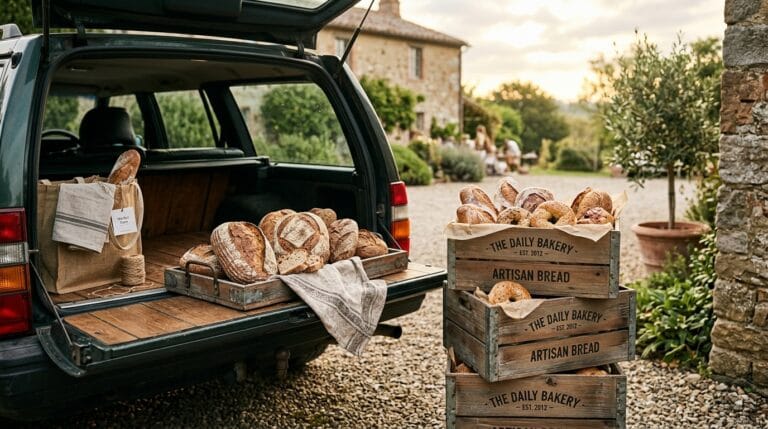
How to Get Your Baked Goods to Market Without Wrecking Them
Cakes slide, frosting sweats, cookies go soft in the car. The crates, timing and packing order that get your bakes to the…
Read more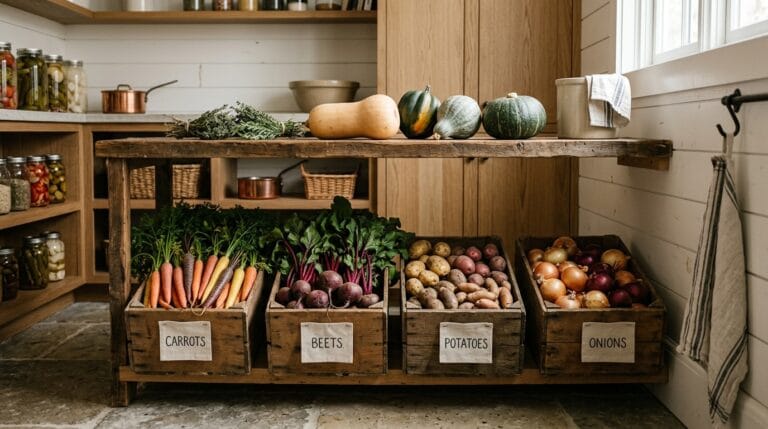
How to Store Root Vegetables and Winter Squash So They Last Until Spring
Potatoes, squash, carrots and onions will keep for months if you get a few things right. What each one wants, and the…
Read more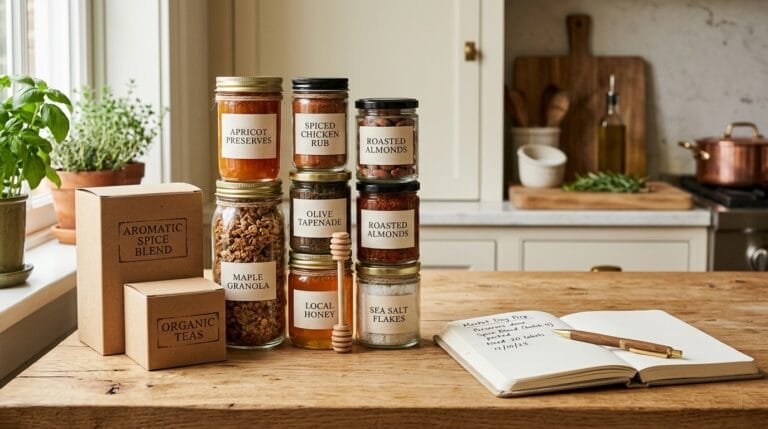
What to Do With Unsold Stock When the Market Season Ends
The last market of the season ends with a car full of what did not sell. Here is how to turn that…
Read more