How to Get Your Cottage Food Business Into a Farmers Market (Step-by-Step Guide)
Ready to sell at a farmers market? This step-by-step guide covers how to find the right market, navigate the application process, set up a booth that sells, and build the kind of loyal customer base that keeps coming back.
 1 min read
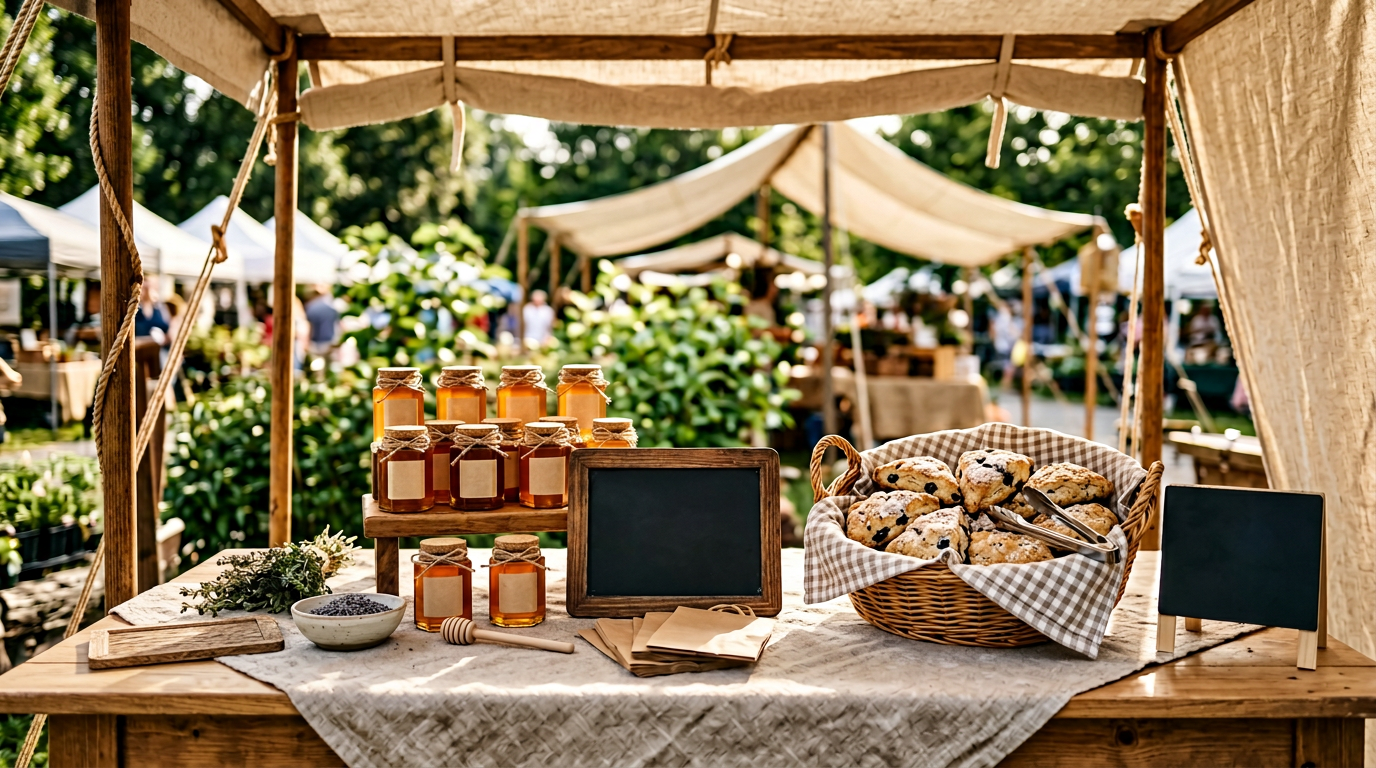
Selling at a farmers market is one of the best decisions you can make as a cottage food business owner. You get real-time feedback from customers, you build a loyal local following fast, and there is genuinely nothing like the feeling of someone tasting your jam or your sourdough at 8am on a Saturday and immediately buying three of them.
But if you've never done it before, the process of actually getting into a market can feel murky. How do you apply? What do you need? What if they're full? Here's the complete, practical guide — from finding the right market to setting up a booth that draws people in.
Step 1: Find the Right Market for Your Products
Not all farmers markets are the same, and the right fit matters more than people realize. A large urban market with 200 vendors and 5,000 weekly shoppers is a very different environment from a small community market in a neighborhood park. Both can be great — but they require different approaches, different price points, and different volumes of product.
Start by researching markets in your area. The Butter & Sage Farmers Market Directory is a great place to start — you can search by city or state and find markets near you. Once you have a list, visit a few of them as a customer before you apply as a vendor. Pay attention to how many vendors are already selling similar products (competition matters), how many shoppers are there and how active the buying is, what the vibe is like, and whether the market manager seems organized and vendor-friendly. The best market for you is the one where your product fills a gap, the shoppers are your people, and the operations run smoothly.
Step 2: Understand the Application Process
Every farmers market has its own vendor application process, and they vary a lot. Some markets have rolling applications and open spots throughout the season. Others have a once-a-year application window in late winter or early spring, and if you miss it, you're waiting until next year. A few markets have waitlists for popular product categories.
Find the market manager's contact information — usually on the market's website or social media — and reach out directly. Ask about their vendor application timeline, whether they have space for your product category, what the booth fees are, and what documentation they require. Most market managers are approachable and genuinely happy to answer questions from prospective vendors.
Common requirements you'll likely need to provide: proof of your cottage food registration or license (if your state requires it), a copy of your product labels (many markets review these for compliance), a list of products you plan to sell, and a booth fee deposit. Some markets also require liability insurance, so it's worth checking on that early.
Step 3: Get Your Paperwork and Compliance in Order
Before you can sell at most farmers markets, you need to make sure your cottage food business is legally set up to do so. This looks different in every state, but here's what most vendors need to handle.
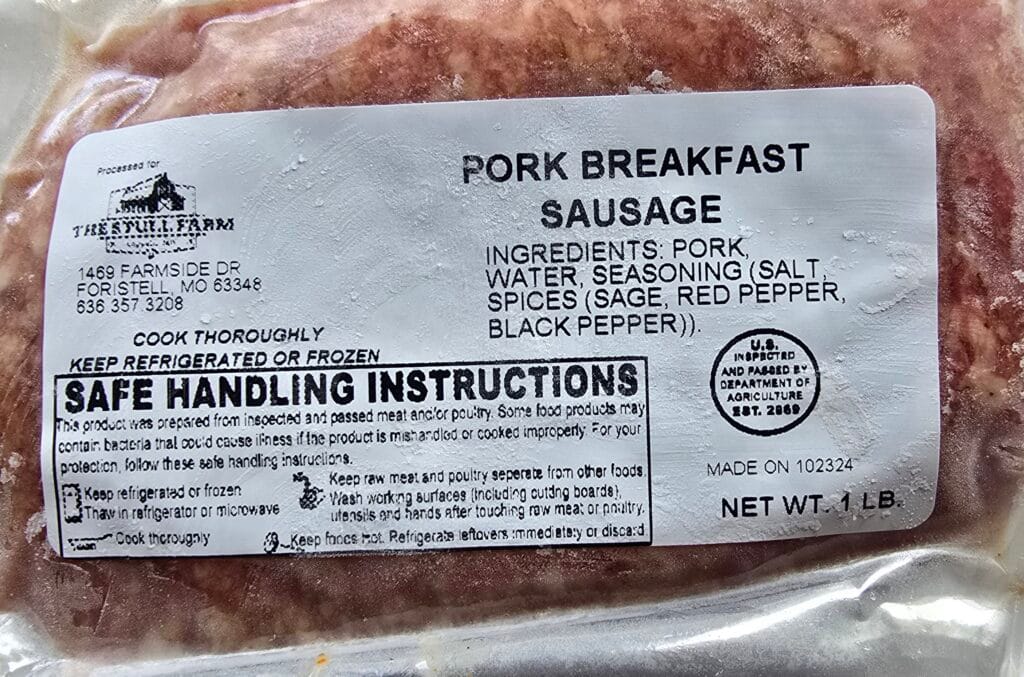
First, know your state's cottage food law. Each state has different rules about what you can make and sell from a home kitchen, what your annual sales cap is, and where you're allowed to sell. If you're not sure where your state stands, check out the cottage food law guides on this site — we've covered most states in detail. Second, make sure your labels are compliant. Most states require your products to include the product name, ingredients list, allergen information, net weight, your name and address, and a statement indicating the food was made in a home kitchen. Third, check whether your state requires food handler certification or registration with your department of agriculture. Many do, and markets often ask to see these credentials before approving your application.


Step 4: Plan Your Product Lineup and Volume
Resist the urge to offer every product you know how to make on your first market day. Starting with three to five products gives you focus, makes your booth look intentional (not chaotic), and lets you really figure out what resonates with customers before you scale up. Think about products that complement each other — a jam vendor who also sells scones is telling a coherent story. A baker who also sells spice blends creates natural cross-sell opportunities.
Plan your volume carefully. Running out by 9am means lost sales and disappointed customers. Having half your inventory left at noon means you brought too much and wasted time and materials. Most first-time vendors underestimate how much they'll sell if the market is busy — when in doubt, err on the side of bringing more rather than less, especially for shelf-stable products. A good rule of thumb: bring 20–30% more than you think you'll sell for your first few markets, then adjust based on what actually moves.
Step 5: Set Up a Booth That Draws People In
Your booth is your storefront. People make split-second decisions about whether to stop based entirely on how it looks from 20 feet away. You don't need to spend a fortune, but you do need intentional visual merchandising.
Height matters — use risers, crates, or tiered shelving to get your products off the flat table surface and at eye level. A consistent color palette and brand feel (even if it's as simple as using the same kraft packaging and a hand-lettered sign) makes your booth look put together. Clear, easy-to-read price signs are non-negotiable — customers will walk away rather than ask how much something costs. Samples are your best friend; if you can legally offer them in your state, do it. Nothing closes a sale faster than someone tasting your rosemary sea salt caramels for the first time.
A simple, well-designed banner with your business name goes a long way toward being remembered and found on social media after the market. Don't underestimate the power of being findable.
Step 6: Show Up Consistently and Build Relationships
The vendors who build thriving farmers market businesses have one thing in common: they show up, week after week, and they treat every interaction like it matters — because it does. Repeat customers are the backbone of a successful market business. Someone who buys your jam once and comes back every week is worth far more than a new face who buys once and never returns.
Learn your customers' names if you can. Ask what they're making this week. Remember that they mentioned their daughter's birthday. These are the details that turn a transaction into a relationship, and relationships are what make farmers markets work.
Step 7: Extend Your Market Beyond Saturday Morning
Here's the part most vendors don't think about until someone asks: what happens when your regulars want to order from you on a Wednesday? What about customers who can't make it to the market this weekend but don't want to miss your seasonal strawberry jam?
An online shop is the answer. Butter & Sage Market is designed specifically for cottage food vendors who want to sell online alongside their farmers market presence — it's simple to set up, requires no tech experience, and lets your customers order for pickup or delivery even when the market is closed. It also means new customers can discover you through our local search, not just by walking past your booth.
Your farmers market booth and your online shop work together, not in competition. Many vendors find that their online sales grow significantly once their local farmers market reputation is established — and that the combination of both gives them a real, sustainable income from the thing they love making.
Ready to take the leap? You've got this.
Fresh. Local. Sustainable.
— Amy

Keep reading
More from the market
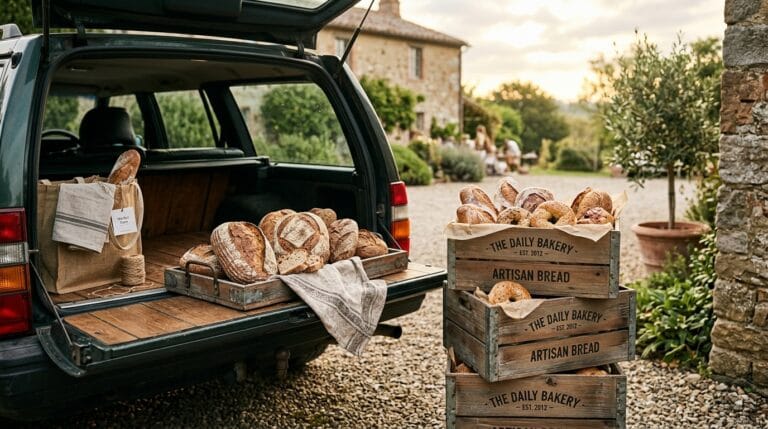
How to Get Your Baked Goods to Market Without Wrecking Them
Cakes slide, frosting sweats, cookies go soft in the car. The crates, timing and packing order that get your bakes to the…
Read more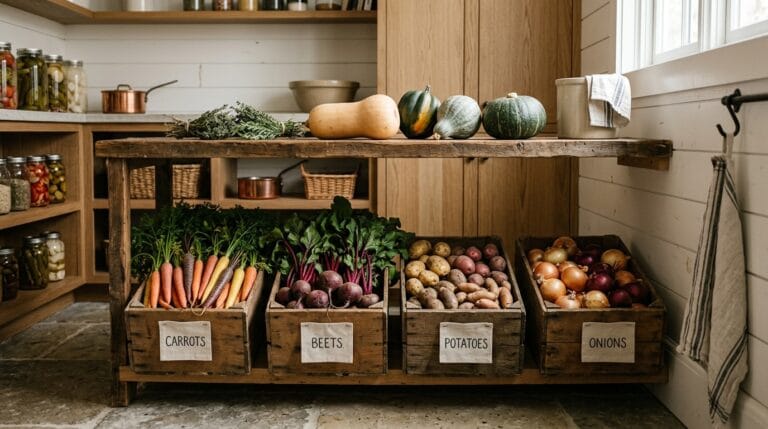
How to Store Root Vegetables and Winter Squash So They Last Until Spring
Potatoes, squash, carrots and onions will keep for months if you get a few things right. What each one wants, and the…
Read more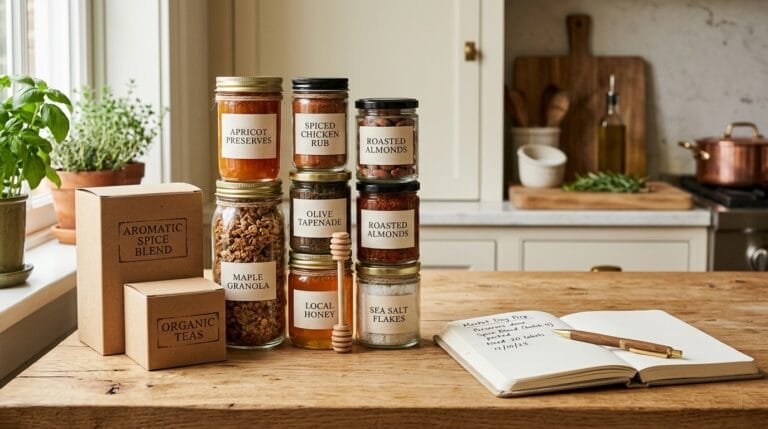
What to Do With Unsold Stock When the Market Season Ends
The last market of the season ends with a car full of what did not sell. Here is how to turn that…
Read more