
How to Use Fresh Herbs from the Farmers Market (Even If You Have Never Cooked with Them Before)
Nobody teaches this stuff -- but once you know when to add delicate vs. hardy herbs, and how to store them so they actually last, your cooking will never be the same.
 1 min read
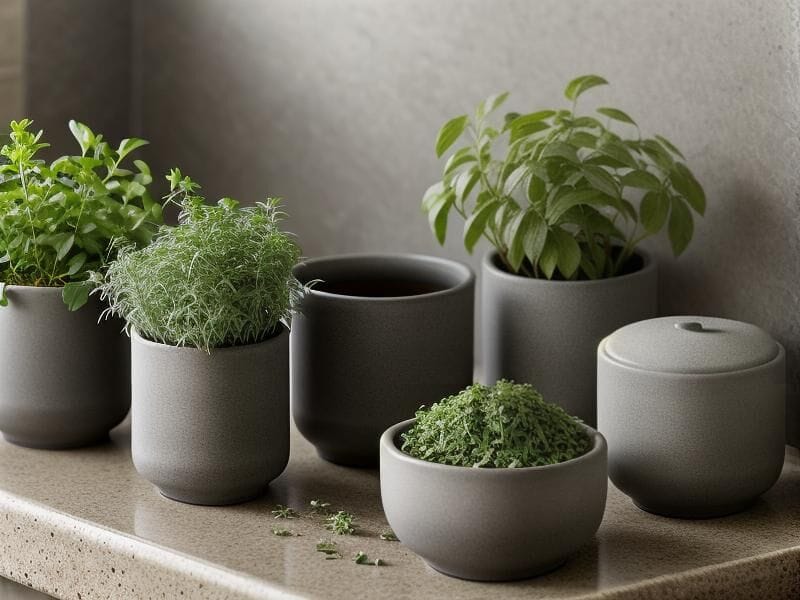
If you have ever bought a beautiful bundle of fresh herbs at the farmers market, gotten home, and then stared at them until they wilted in the fridge -- this post is for you. You are not alone, and it is not your fault. Nobody really teaches this stuff.
Here is the thing about fresh herbs: they are not just a garnish. Used right, they are the difference between a dish that tastes homemade and one that tastes like it was made by someone who actually knows what they are doing. Which, after you read this, will be you.
The One Rule That Changes Everything: When to Add Your Herbs
Most cooking disasters with fresh herbs come from adding them at the wrong time. Here is the breakdown:
Delicate herbs (basil, cilantro, dill, flat-leaf parsley, chives, tarragon): Add these in the last 1-2 minutes of cooking, or after you take the pan off the heat entirely. Heat is the enemy of their flavor -- it drives off the volatile oils that make them taste like something. Basil is the most dramatic offender here; if you toss it into a hot pan early, it turns brown and bitter almost immediately. Add it raw at the end, or use it as a finishing herb on the plate.
Hardy herbs (rosemary, thyme, bay leaf, oregano, sage): These can handle heat and actually benefit from it. Add them early -- when you are sauteing the aromatics, or at the beginning of a braise or roast. Their oils are more robust and need time to open up and meld with the dish.
If you remember nothing else from this post, remember that. Delicate herbs go in at the end. Hardy herbs go in at the beginning.
How to Buy and Store Fresh Herbs So They Actually Last
The farmers market is your best source for fresh herbs, and the vendors there will often have varieties you cannot find at the grocery store -- French tarragon, lemon thyme, multiple basil varieties, shiso, lovage. It is worth exploring.
When buying, look for vibrant color, firm stems, and no yellowing or dark spots on the leaves. Fresh herbs should smell exactly like what they are, and they should smell loud.


Once you get them home, treat delicate herbs like basil, cilantro, parsley, and dill like fresh flowers: trim the stems, put them in a small glass of water on the counter or in the fridge, and loosely cover with a produce bag. They will last a week or more this way. For hardy herbs like thyme, rosemary, sage, and oregano, wrap them loosely in a slightly damp paper towel, place in a zip bag, and store in the crisper drawer. They hold well for 1-2 weeks.
Five Ways to Use Up Fresh Herbs Before They Turn
You have a beautiful bundle of basil and no pasta on the agenda. Here are five ways to use up fresh herbs before they go:
Herb butter: Mash softened butter with minced herbs, a pinch of salt, and maybe a little lemon zest. Roll it in plastic wrap into a log and freeze it. Use slices to finish steaks, vegetables, fish, or pasta -- anytime you need a quick burst of flavor. This works with any herb, or a combination.
Herb oil: Blanch a big handful of tender herbs for 30 seconds, shock in ice water, squeeze dry, and blend with a neutral oil or good olive oil. Drizzle on soups, eggs, grilled fish, or toast. Keeps in the fridge for about a week.
Herb vinegar: Stuff a jar with fresh tarragon, thyme, or rosemary and cover with white wine vinegar or apple cider vinegar. Let it infuse for a week, then strain. Use in salad dressings, marinades, and deglazes.
Simple herb salad: Some herbs -- especially flat-leaf parsley, cilantro, basil, mint, and tarragon -- are delicious as an actual salad component, not just a garnish. Toss them with a light vinaigrette and eat them alongside grain dishes, grilled meats, or roasted vegetables.
Compound herb paste: Roughly blend herbs with garlic, salt, and olive oil. Use it as a rub for chicken or fish, spread on bread, stir into yogurt, or thin it with more oil as a sauce. It is not pesto -- it is more flexible than that.
The Farmers Market Connection
One of the small joys of shopping at the farmers market is that you can ask the vendor how they use the herbs they are growing. These are people who tend these plants every day -- they have opinions, favorite uses, and little tips that do not show up anywhere online. That kind of conversation is part of what makes local food culture worth protecting.
If you are not buying fresh herbs at your local market yet, start small. A bundle of chives or a few stems of thyme. Learn those first. Then expand. Before long you will have the vocabulary to cook confidently with whatever is beautiful and in season -- and that is a skill that pays off every single time you are in the kitchen.
-- Amy
Fresh. Local. Sustainable.

Keep reading
More from the market
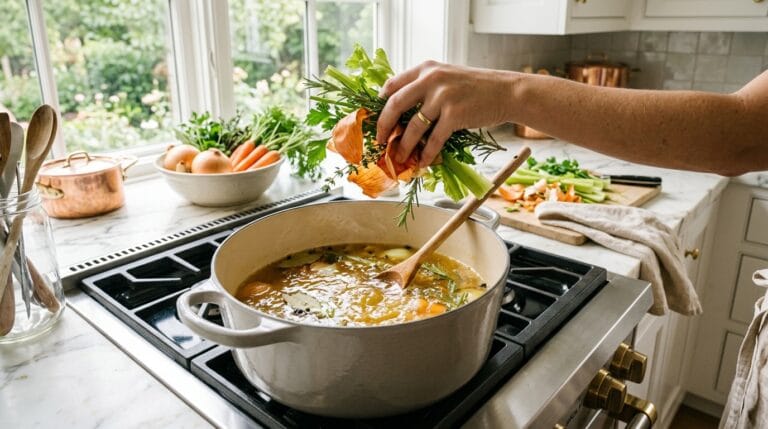
How to Make Stock from Your Market Scraps (The Free Ingredient in Your Freezer)
A bag in the freezer, filled with onion ends and carrot tops, becomes the best ingredient in your kitchen for free. What…
Read more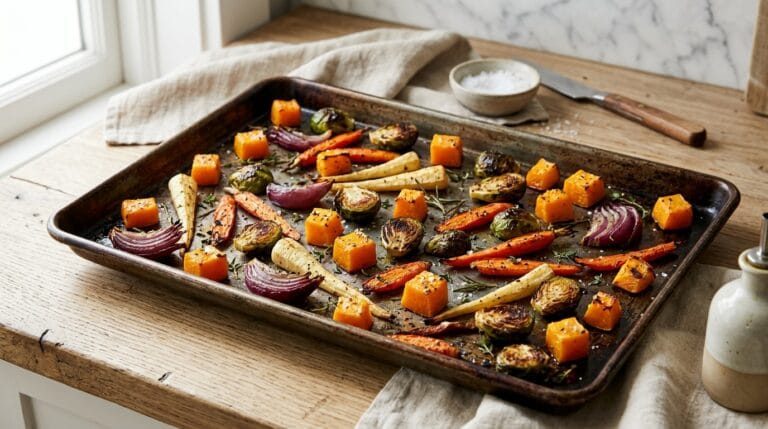
How to Roast Any Vegetable (One Method, Your Whole Market Haul)
One temperature, one pan, three rules that decide everything. Timings for the whole fall market table, and the crowding mistake that steams…
Read more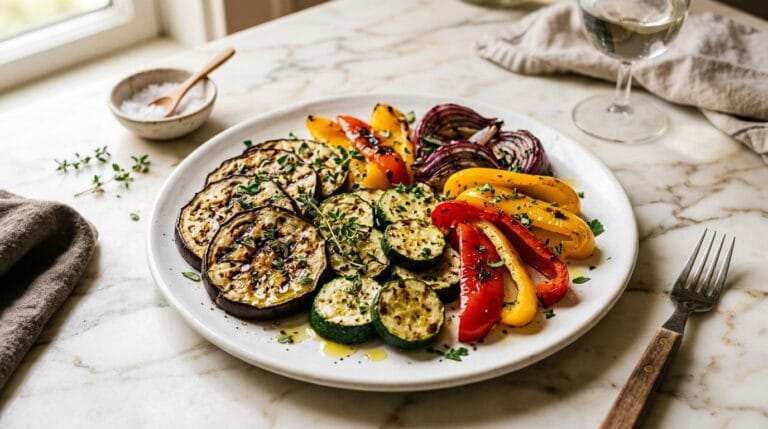
How to Grill Summer Vegetables (Eggplant, Zucchini, Peppers & More)
Grilling turns a farmers market vegetable haul into the best part of dinner. Here's how to grill eggplant, zucchini, peppers, and onions…
Read more