How to Plan a Seasonal Menu for Your Cottage Food Business (And Why It’s Your Best Marketing Move)
Seasonal products are the engine of repeat business at farmers markets. Here's how to plan, price, and announce your quarterly drops so your regulars plan their Saturdays around you.
 1 min read
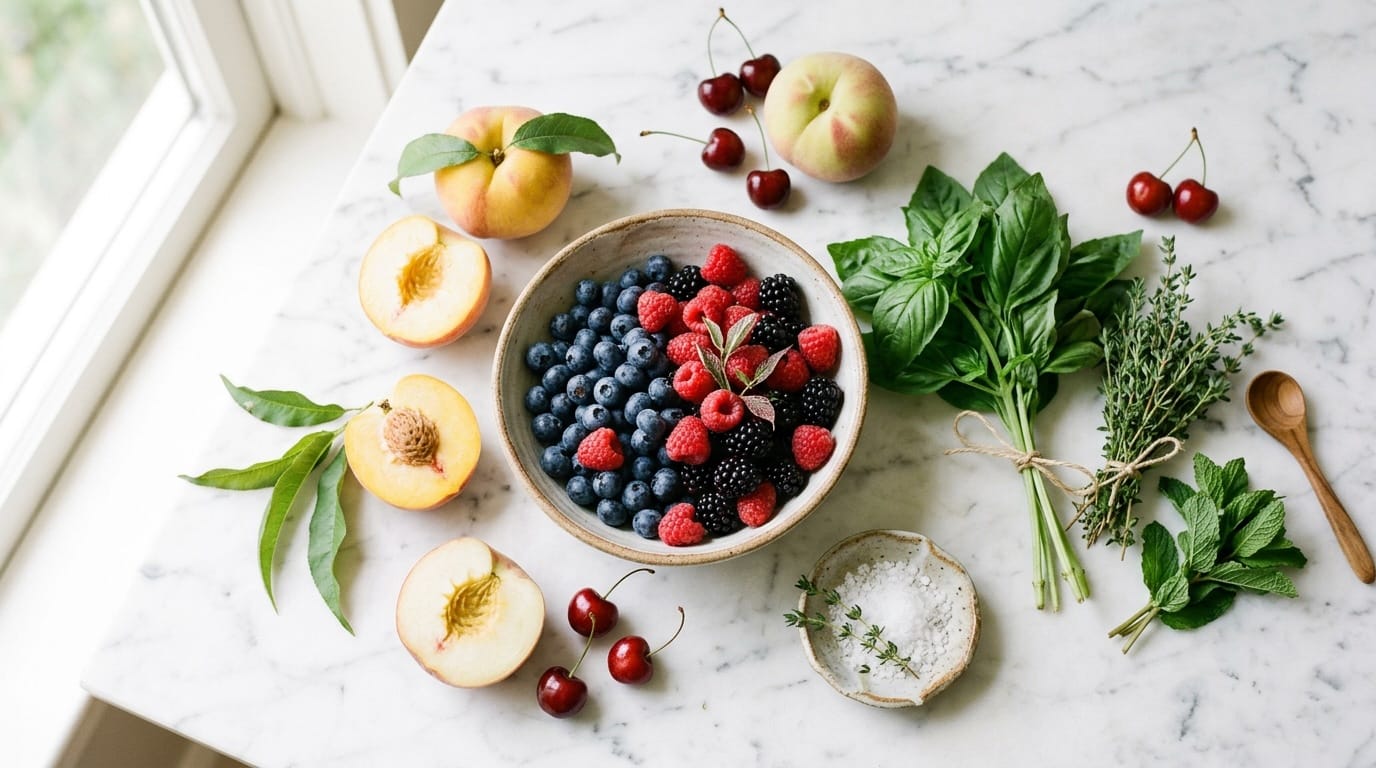
Ask any veteran farmers market vendor what their best-selling product of the year is, and odds are it is something they only offer for a few weeks. The peach jam that appears in August. The peppermint bark at the holiday market. The lavender lemonade concentrate that shows up one Saturday in July and sells out before noon. Seasonal products do not just sell well — they create conversation, urgency, and the kind of loyalty that brings customers back with a friend in tow.
Planning a seasonal menu for your cottage food business is one of the highest-leverage moves you can make for your sales — and most of the work is just paying close attention to what is already happening around you.
Start With the Market Calendar, Not a Spreadsheet
Before you plan a single product, look at what your local farmers market is doing. What does the produce landscape look like in February versus June versus November? What are the vendors two stalls down bringing to market? The best seasonal menus in cottage food are built around what is genuinely in season locally — blueberries in midsummer, apples in fall, citrus in winter, asparagus and rhubarb in spring. When your product uses the same ingredients your customers just picked up three stalls down, you are not just selling a cookie. You are participating in the story of the market. That connection is part of what they are paying for.
Map Your Year in Four Quarters
Divide the year into quarters and give each one a loose theme based on what is in season and what is happening culturally. Spring centers on fresh herbs, bright citrus, florals, and the cooking energy that comes with warmer weather — plus Mother's Day and graduation season, both of which drive gift purchases. Summer is berries, stone fruit, and warm-weather gatherings. Fall brings apples, pumpkin, warming spices, and the beginning of holiday prep season. Winter is about gifting — festive flavors, beautiful packaging, and pre-ordering everything.
You do not need to overhaul your entire product line every three months. One or two seasonal hero products per quarter gives you something new to announce and something for your regulars to anticipate. Your core products stay consistent. The seasonal items create energy around them.
Price Your Seasonal Products at a Premium
Seasonal products justify premium pricing — and your customers understand why. When you are sourcing peak-season fruit, the ingredients cost more at their best. And the limited availability creates real value. A regular jar of mixed berry jam might be $10. A small-batch midsummer blueberry jam made with local berries, available only while they are in season, is $14. Both are reasonable. The seasonal one sells out first. Your customers pay a premium for in-season strawberries at the market because they understand seasonal scarcity. The same logic applies to your products.
Announce Your Seasonal Products Like a Launch
The biggest mistake cottage food vendors make with seasonal offerings is treating them like any other item — they arrive at the booth with no advance notice and sell a few before the market ends. Instead, treat your seasonal drop like a launch event. Post about it the week before. Tell your email list it is coming. Put a Coming Next Saturday sign at your booth the week before. Build anticipation. The announcement is part of the product — it is the difference between a customer who was pleasantly surprised and a customer who made a special trip because they had been looking forward to it all week.
Use Seasonal Products to Build Your Pre-Order List
Holiday season is the most natural time to introduce pre-ordering, but you do not need to wait until November. Any seasonal product that benefits from advance planning — custom holiday cookie boxes, summer berry jam in bulk, Thanksgiving pies — becomes a natural reason to collect contact information. Want first access when my peach preserves drop in August? Drop your email here. That list is valuable all year long. Pre-orders also give you the practical benefit of knowing your production numbers in advance — a genuine gift when you are running a one-person kitchen.


Keep reading
More from the market
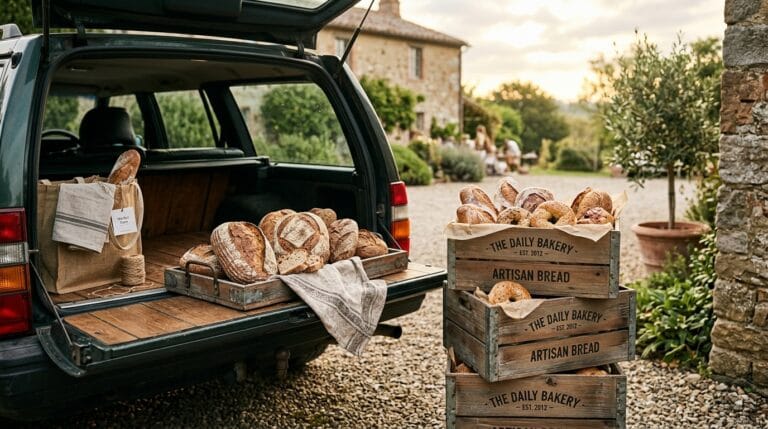
How to Get Your Baked Goods to Market Without Wrecking Them
Cakes slide, frosting sweats, cookies go soft in the car. The crates, timing and packing order that get your bakes to the…
Read more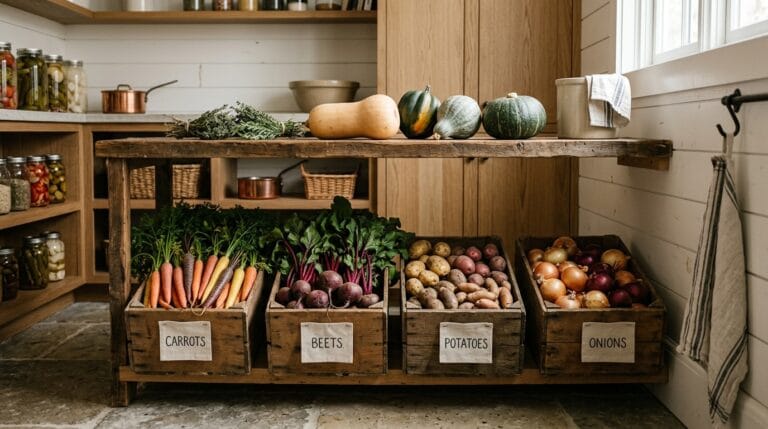
How to Store Root Vegetables and Winter Squash So They Last Until Spring
Potatoes, squash, carrots and onions will keep for months if you get a few things right. What each one wants, and the…
Read more
What to Do With Unsold Stock When the Market Season Ends
The last market of the season ends with a car full of what did not sell. Here is how to turn that…
Read more