
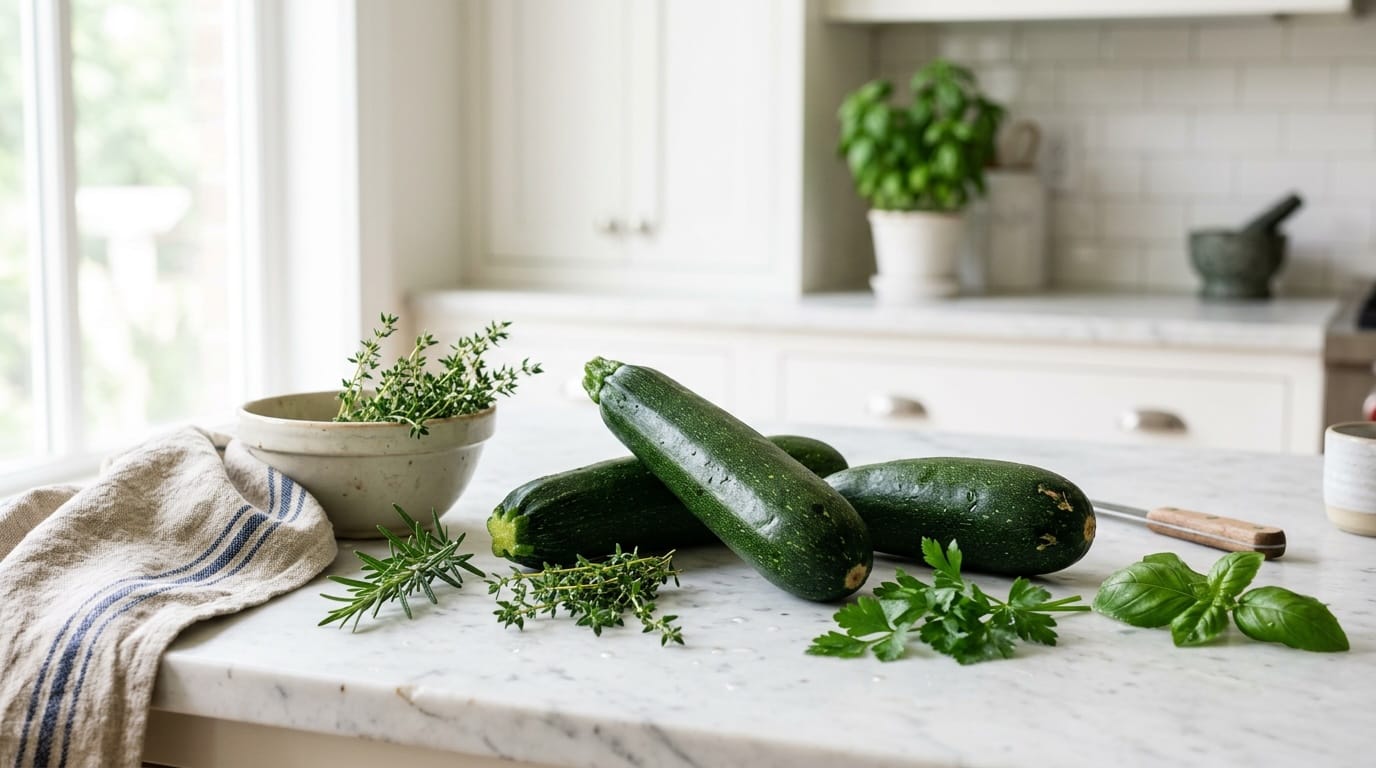
Every gardener has a zucchini story. Usually it involves turning your back for three days and returning to find something the size of a baseball bat hiding under a leaf. Zucchini is legendarily prolific — which is either wonderful or overwhelming depending on how many neighbors you have. The good news is that it is also one of the most beginner-friendly vegetables you can grow, it goes from seed to harvest in about 50 days, and it rewards a little basic attention with extraordinary abundance.
Choosing Your Spot and Preparing the Soil
Zucchini wants full sun — at least six to eight hours of direct sunlight per day. Give it less and you will get leggy plants and disappointing harvests. It also needs rich, well-draining soil; it is a heavy feeder. Work in two to three inches of compost before planting. If your soil tends toward clay, add some perlite to improve drainage, as zucchini roots dislike sitting in water.
When to Plant
Wait until all frost risk has passed and soil has warmed to at least 60°F — ideally 65–70°F. In most of the US that means late May through mid-June. Zucchini planted in cold soil will sit and sulk rather than germinate. Seeds sown at the right time actually catch up to and outperform seeds started too early indoors. You can start indoors two to three weeks before your last frost date, but many experienced growers prefer direct sowing since zucchini dislikes having its roots disturbed.
Planting and Spacing
Sow seeds one inch deep, two to three feet apart in rows — or plant in traditional hills of three to four seeds each, thinning to the two strongest plants once they have a few true leaves. Hills should be spaced four to six feet apart. Do not crowd zucchini: crowded plants compete for light, trap moisture between leaves, and become magnets for powdery mildew. When in doubt, give them more space than you think they need.
Watering and Mulching
Zucchini is thirsty, especially once it starts setting fruit. Water deeply at the base — not on the leaves — aiming for about one inch per week. Inconsistent watering leads to blossom end rot. A thick layer of mulch around each plant (two to three inches of straw or wood chips) retains soil moisture and suppresses weeds simultaneously.
Pollination: Why Your Flowers Might Drop
Zucchini produces separate male and female flowers on the same plant. Male flowers appear first on straight stems and will not produce fruit. Female flowers follow a week or two later with a tiny proto-zucchini at the base. Both must be open at the same time for pollination — usually done by bees. If flowers drop without forming fruit in the first two weeks, this is normal. If it persists, consider hand-pollinating by transferring pollen from a male flower to a female with a small paintbrush.
Harvesting: Earlier Is Always Better
Harvest when zucchini is six to eight inches long and one and a half to two inches in diameter. At this size it is tender and flavorful. Left on the plant, it grows overnight into a watery, seedy giant useful mainly for shredding into bread. Check your plants every day or two once production starts — and share freely with neighbors, farmers market customers, and anyone standing within arm’s reach.



0 Comments