
How to Build Meals Around Your Farmers Market Haul All Week (So Nothing Goes to Waste)
Stop watching beautiful market produce go limp in your fridge. Here's the practical system for planning a full week of meals around your farmers market haul — with zero guilt about the asparagus.
 1 min read
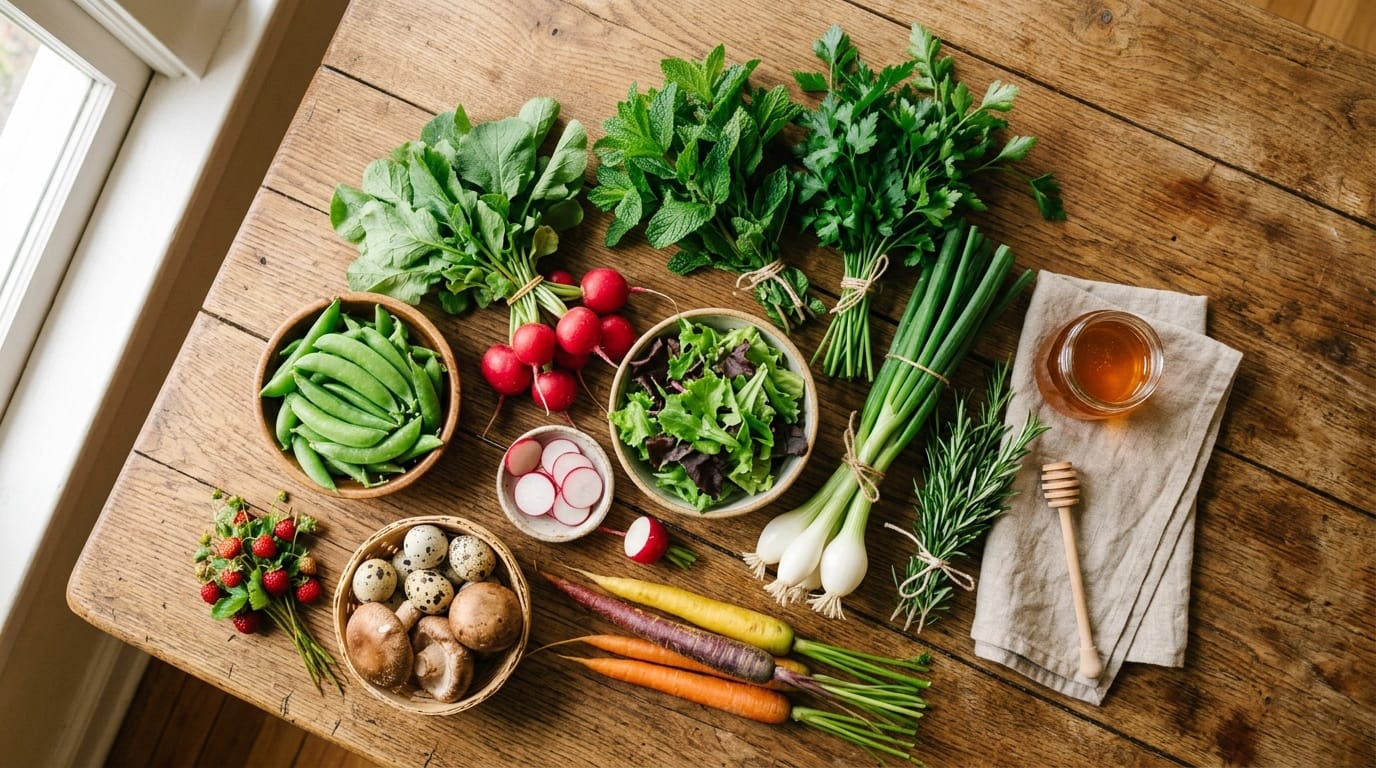
You come home from the farmers market with the most beautiful bag of vegetables you've ever seen. Bright spring onions, a bunch of radishes with the greens still attached, two kinds of lettuce, a pint of snap peas, fresh herbs, and a small mountain of asparagus you bought because it was beautiful and you'll figure it out later.
By Thursday, the asparagus is a little sad, the radish greens are yellow, and you're eating cereal for dinner because you didn't have a plan. We've all been there. Here's how to stop being there.
Shop First, Plan Second
The most important shift in farmers market meal planning is reversing the order of operations. Most of us are trained to make a meal plan first, then go buy ingredients. At a farmers market, that approach works against you — you'll constantly be disappointed that the thing you planned to make isn't available, or you'll ignore gorgeous seasonal produce because it doesn't fit your predetermined menu.
Instead: go to the market with an open mind and a loose framework. Know you want two or three proteins, whatever vegetables look best, and one or two specialty items (cheese, jam, a jar of something interesting). Then come home and plan your meals around what you actually bought.
This takes about fifteen minutes and changes everything. You're not fighting the market — you're cooking with it.
The "Use It First" Rule
Before you do anything else after getting home from the market, sort your haul by how quickly it will turn. Delicate things that need to be used in the first two days go in one pile: fresh herbs, tender salad greens, pea shoots, anything that's already at peak ripeness. Hardier things — root vegetables, winter squash, garlic, most alliums — can wait until mid-to-late week.
Now build your first two dinners around the delicate pile. Save the sturdy stuff for Thursday and Friday. This single habit will cut your food waste in half before you've changed anything else about how you cook.
Wash and Prep as Soon as You Get Home
The single biggest reason farmers market vegetables get wasted: you leave them in the bag with the best of intentions, and by the time Wednesday rolls around, pulling them out and washing and chopping them feels like too much effort for a Tuesday evening. So you order takeout and the kale dies alone in your crisper drawer.
The fix: do the prep work now, while you have energy and the market is still fresh in your mind. Wash the lettuce and spin it dry. Strip the herb leaves from their stems and store them wrapped in a slightly damp paper towel inside a container in the fridge. Trim and blanch the asparagus if you're not using it tonight. Roast a tray of root vegetables while you put away your other groceries. Future-you will be genuinely grateful.


The Anchor Dish Strategy
One of the most effective techniques for a market-based meal plan is building around an "anchor dish" — one large, flexible recipe that uses a lot of what you bought and produces leftovers or base ingredients that carry into other meals during the week.
Good anchor dishes for a spring farmers market haul: a big pot of minestrone or vegetable soup (uses almost everything, improves over three days); a grain bowl base like farro or barley cooked with shallots and herbs (pairs with any vegetable roasted or sautéed); a large frittata (perfect for using up tender greens and leftover vegetables); a big batch of roasted spring vegetables that becomes a side dish Monday, a pasta topping Wednesday, and an omelet filling Friday.
The trick is cooking intentionally more than you need. Not leftovers as an afterthought — leftovers as the plan.
The Farmers Market Pantry: Your Secret Weapon
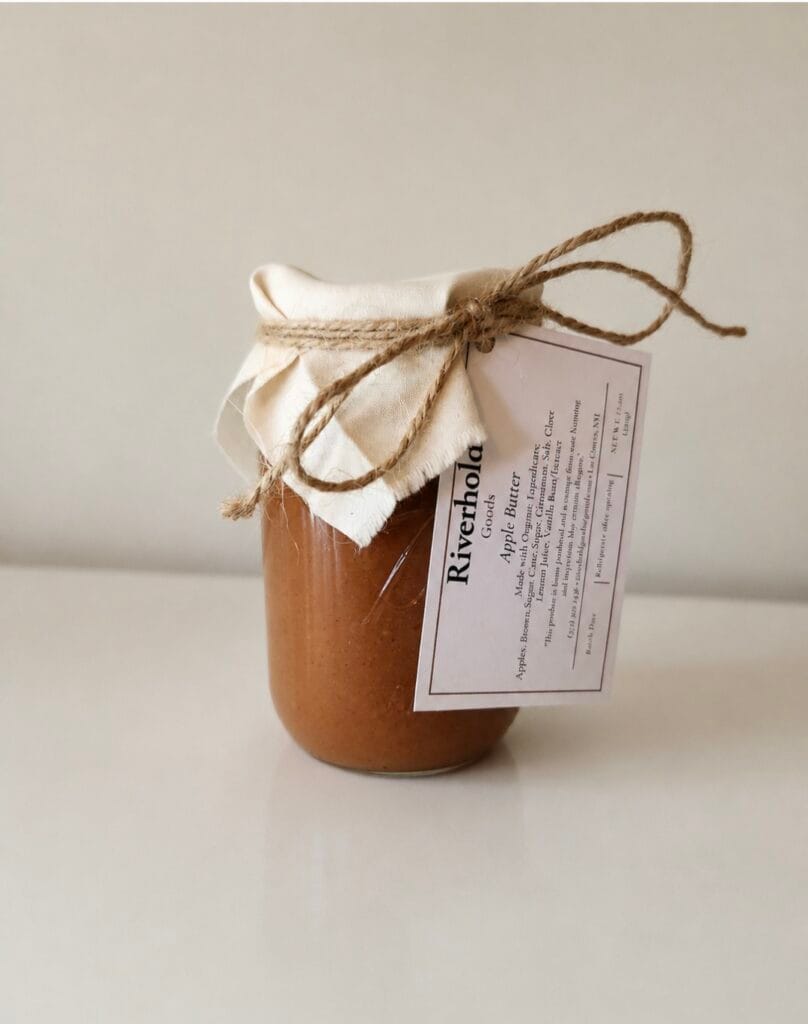
Farmers market cooking gets dramatically easier once you build a pantry of preserved market finds. A jar of good local jam that becomes a glaze for roasted carrots. Local honey that finishes a salad dressing. Pickled vegetables from a market vendor that add instant acid to whatever you're making. Dried beans or grains from a specialty grower that serve as the backbone of a dozen meals.
These aren't impulse purchases — they're infrastructure. They're what allow you to build a great meal on a Wednesday when the fresh produce is running low and you haven't had time to get back to the market. Buy a few shelf-stable market finds every week with the intention of using them as building blocks, not just as standalone snacks.
A Simple Weekly Framework
Here's the loose template I follow after a Saturday market trip:
Saturday or Sunday: Anchor dish (big soup, grain batch, roasted vegetable tray). Use the most delicate market finds for a simple salad or light dinner.
Monday–Tuesday: Fresh and simple — salads with market greens, pasta with whatever vegetables are at peak, eggs with sautéed greens. Quick, 20-minute dinners that show off the freshest ingredients.
Wednesday: The "refrigerator recombination" dinner. Look at what you have, think creatively, and make something that uses two or three things before they turn. This is usually a frittata, a grain bowl, or a fried rice situation.
Thursday–Friday: The sturdy, long-lasting ingredients from earlier in the week. Root vegetables, stored grains, frozen or pickled market finds, beans and legumes. These meals practically plan themselves.
Is this a perfect system? No. But it's a framework — and frameworks beat good intentions every single time.

— Amy

Keep reading
More from the market
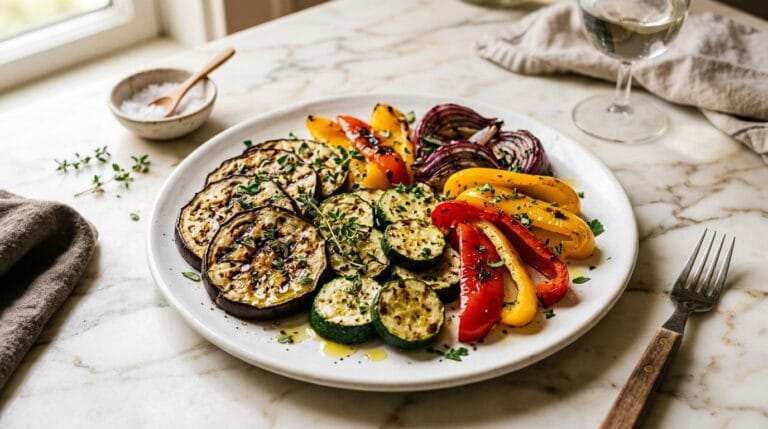
How to Grill Summer Vegetables (Eggplant, Zucchini, Peppers & More)
Grilling turns a farmers market vegetable haul into the best part of dinner. Here's how to grill eggplant, zucchini, peppers, and onions…
Read more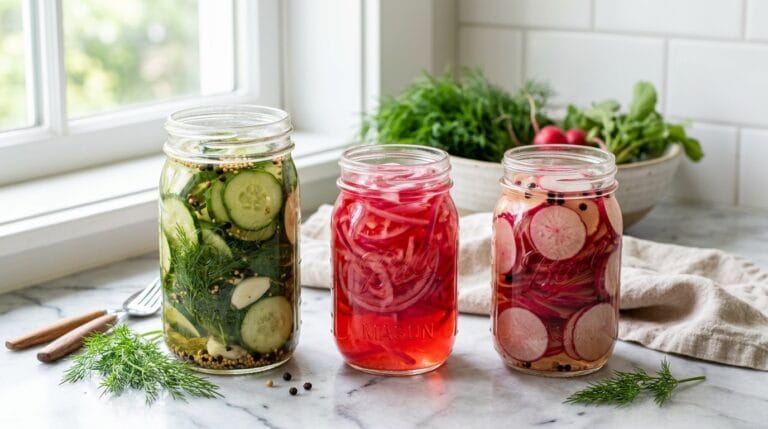
How to Make Refrigerator Pickles at Home (No Canning, No Special Equipment, Just Really Good Pickles)
Refrigerator pickles require no canning equipment and are ready in 24 hours. Here is the brine ratio, the flavor add-ins, and the…
Read more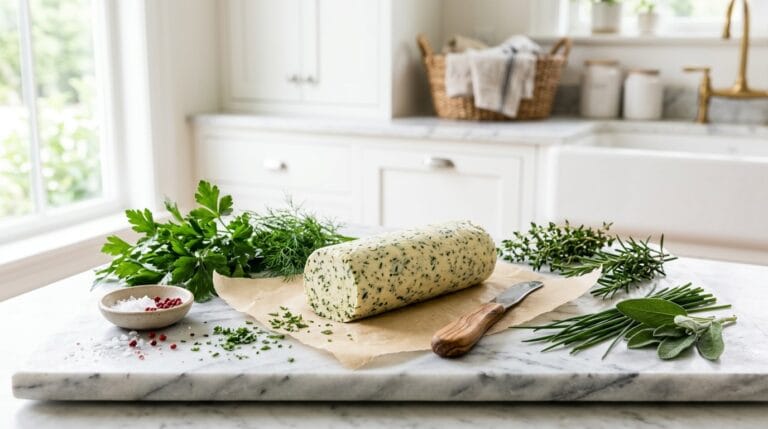
How to Make Compound Butter with Fresh Market Herbs (And Why You’ll Never Go Back to Plain)
Fresh herbs from the farmers market, softened butter, ten minutes. Compound butter is the easiest upgrade your kitchen has ever seen —…
Read more