
How to Start a Market Garden: Growing Vegetables for Profit on a Small Plot
A market garden can generate real income on less than an acre. Here's how to plan your space, pick high-value crops, and find your first customers at the farmers market.
 1 min read
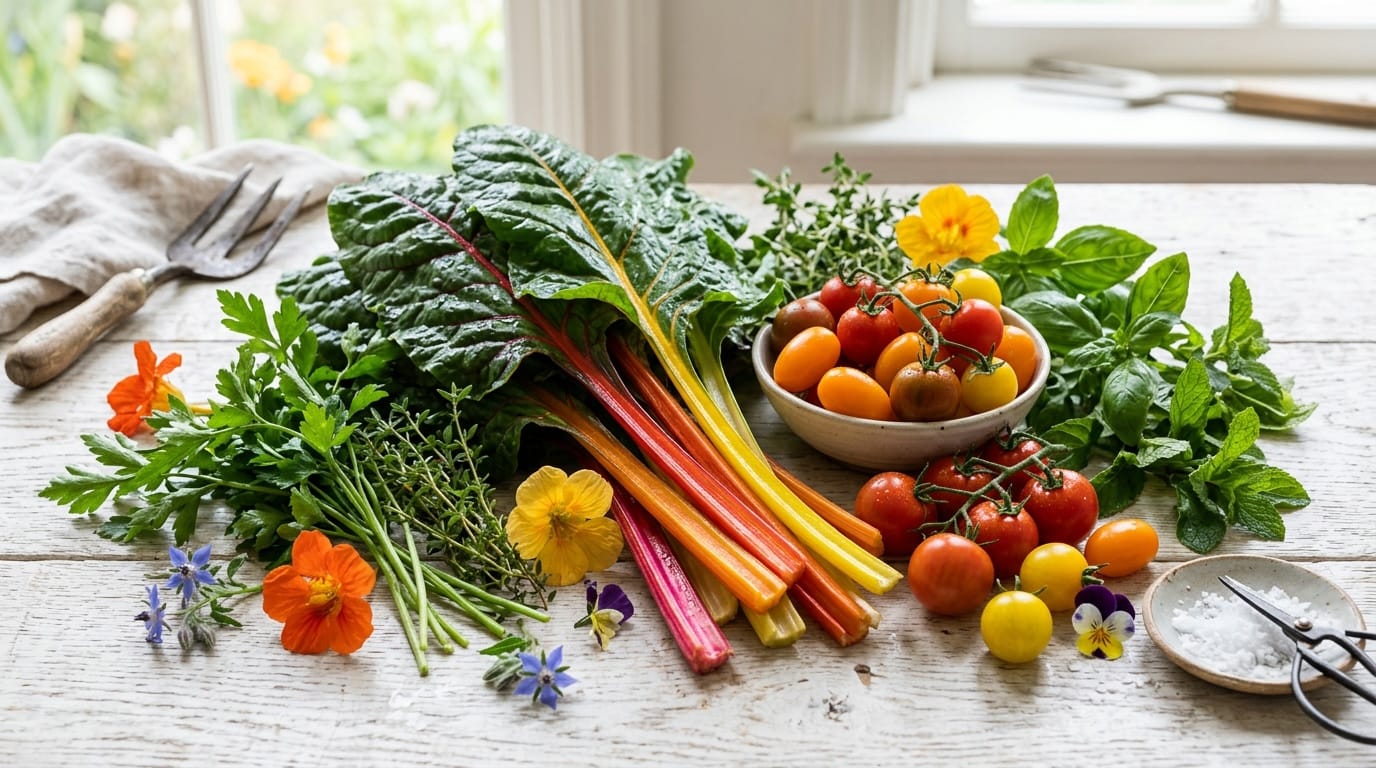
A market garden is not a farm in the traditional commodity sense. It is intensive, human-scale vegetable production on a small plot of land — designed from the start to sell directly to customers. An experienced market gardener can generate meaningful income from a single acre, sometimes far less. The math works because the margins are much better when you sell a bunch of radishes directly to someone who is happy to see them, rather than into a supply chain that pays commodity prices.
If you are thinking about starting a market garden — on a suburban lot, a leased plot, or a few acres you already have — here is a practical place to start.
What Makes a Market Garden Different
The defining characteristic of market gardening is the customer relationship. You are not growing for a distributor or a broker. You are growing for farmers market shoppers, CSA members, restaurant chefs, and neighbors who want to know where their food comes from. That relationship shapes every decision about what to plant, when to harvest, and how to present what you grow.
Market gardening is also intensive in a way commodity farming is not. You are growing in permanent, closely spaced beds designed to maximize yield per square foot. You are not relying on scale — you are relying on quality, variety, and the fact that fresh food sold directly to someone standing in front of you commands a price that reflects its real value.
Start Small and Focus on High-Value Crops
The most common mistake new market gardeners make is starting too big. A 2,000-square-foot intensive bed is more than enough to test your market, develop your systems, and figure out what sells in your community — before you scale. Start manageable, grow it well, and expand from actual demand rather than theoretical optimism.


High-value crops to consider for a first-year market garden:
- Salad greens and lettuce — Fast-growing, succession-plantable, consistent demand. Cut-and-come-again varieties extend your harvest window significantly.
- Fresh herbs — Basil, cilantro, dill, and chives typically sell for $3 to $5 per bunch and grow quickly. Chefs pay a premium for fresh herbs they cannot source locally.
- Cherry tomatoes — High yield per plant, high demand, visually appealing at market. They move fast, which helps with early cash flow.
- Specialty peppers — Shishito, Padron, and Jimmy Nardello peppers command higher prices than standard bells and stand out on a market table.
- Edible flowers — High margin, low volume, extremely eye-catching. Nasturtiums, borage, and calendula are easy to grow and sell well to chefs and home bakers.
- Microgreens — No field space required. Grown indoors year-round and sold to restaurants and markets at $25 to $40 per tray.
Know Where You Will Sell Before You Plant
Visit your local farmers market before you apply for a vendor spot. Walk it as a customer. See what is already well-represented and what is missing. Talk to vendors. Find out what shoppers ask for that nobody is bringing. Your market research shapes your crop plan — not the other way around.
Beyond the farmers market, market gardeners typically sell through CSA shares, direct to local restaurants, via an on-farm stand, or through an online marketplace. If you grow value-added products — jams, pickles, dried herbs, specialty preserves — Butter and Sage Market lets you reach customers online between market days without needing to build a separate website.
Track Your Numbers From Day One
Know your cost of production for each crop: seeds, amendments, water, labor, packaging, and market fees. A crop that fills your table but costs more to grow than it earns is a beautiful way to go out of business. Many experienced market gardeners aim for at least $3 to $5 per square foot of bed space per season. Some crops clear that threshold easily. Others do not — and knowing which is which lets you make better decisions every season. A simple spreadsheet tracking what you planted, harvested, sold, and at what price is all you need to start. Review it at the end of the season and let the data tell you what to grow more of.


Keep reading
More from the market
The Hidden Crisis in American Food: Why Small Farms Are Disappearing — and What You Can Do
Over $1 billion in federal local food programs has been cut in 2026, and small farms are feeling it. Here is what…
Read more
What Is a CSA? A Complete Guide to Community Supported Agriculture for Small Farms
Community supported agriculture (CSA) gives small farms upfront income and loyal customers. Here's how CSA works, how to start one, and how…
Read more
How Small Farms Can Scale and Sustain Their Business: A Practical Guide
Small farms are the heart of local food systems. They grow fresh produce, support rural economies, preserve biodiversity, and often practice regenerative…
Read more