What Is a CSA? A Complete Guide to Community Supported Agriculture for Small Farms
Community supported agriculture (CSA) gives small farms upfront income and loyal customers. Here's how CSA works, how to start one, and how to price and grow your membership.
 1 min read
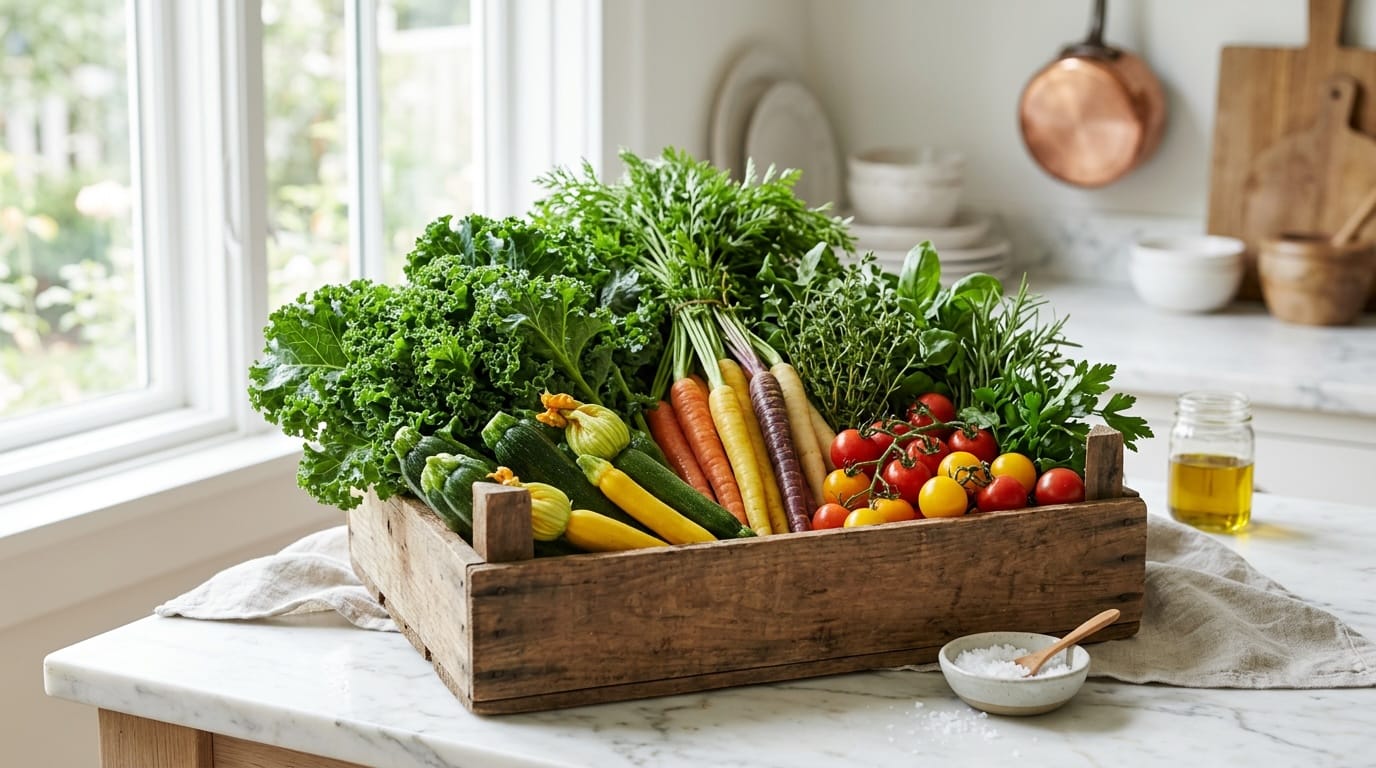
Community supported agriculture — CSA — has been around since the 1980s, and the core idea is still one of the most sensible arrangements in small-scale food production. Members of a community pay a farm upfront at the start of the growing season and receive a weekly box of fresh produce throughout the harvest. The farm gets working capital before the first seed goes in the ground. Members get fresh, local food all season. Most of the time, in most seasons, everybody genuinely wins.
If you are a small farm thinking about starting a CSA, or a curious person trying to understand how the model works before you sign up, here is a clear and practical look at how it functions.
How a CSA Works for Farmers
The economics of a CSA are genuinely attractive for a small operation. Instead of selling at retail prices after the fact — hoping the market was good, hoping your crop came in, hoping the weather cooperated — you receive payment before the season starts. That upfront capital covers seed purchases, soil amendments, equipment repairs, and early-season labor without requiring a loan or a line of credit.
Equally important: CSA members share the risk of farming with you. A CSA is not a guarantee of a specific list of vegetables every week. It is a share of what the farm actually produces. A late frost, a pest pressure, a wet spring — these affect what goes in the box. Members who understand this tend to be remarkably forgiving when things do not go according to plan, because they have a real stake in your farm's actual reality, not just a transaction.
CSA members are also typically your most loyal customers. They made a commitment before the season began. They show up every week. They tell their neighbors. They come back the following year.
How a CSA Works for Members
CSA shares typically range from $400 to $700 for a full season, depending on the length of your harvest window, the size of the box, and what is included. Some farms offer half-shares for smaller households. Weekly boxes usually contain a variety of whatever is at its peak on the farm that week — which means members eat seasonally and locally without having to think too hard about it.
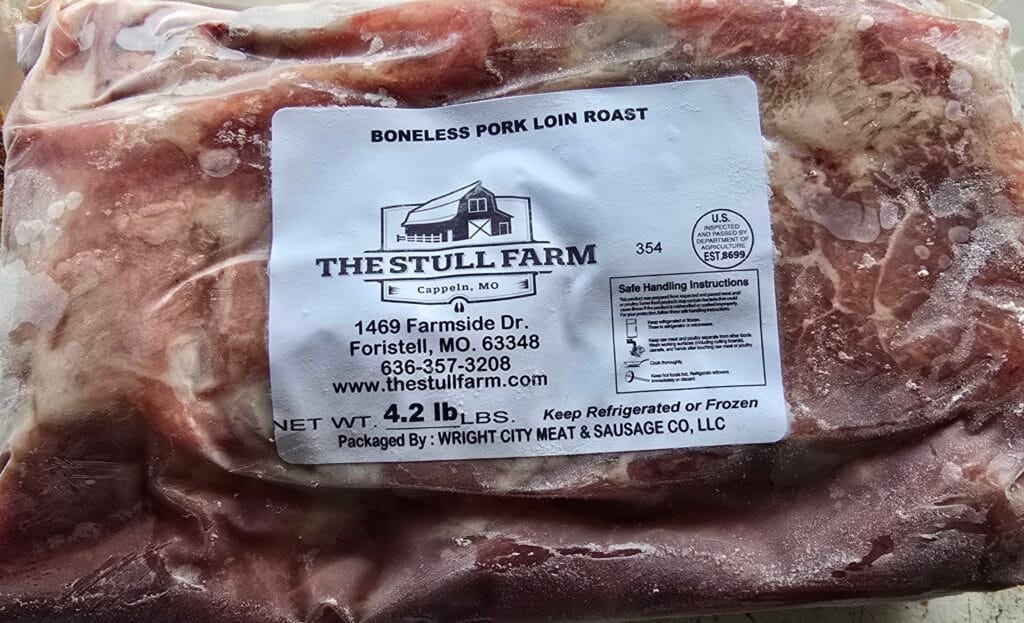
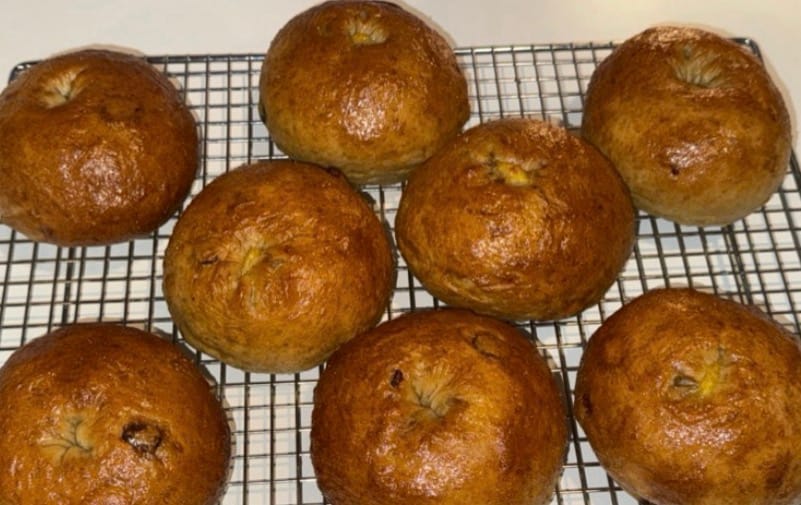
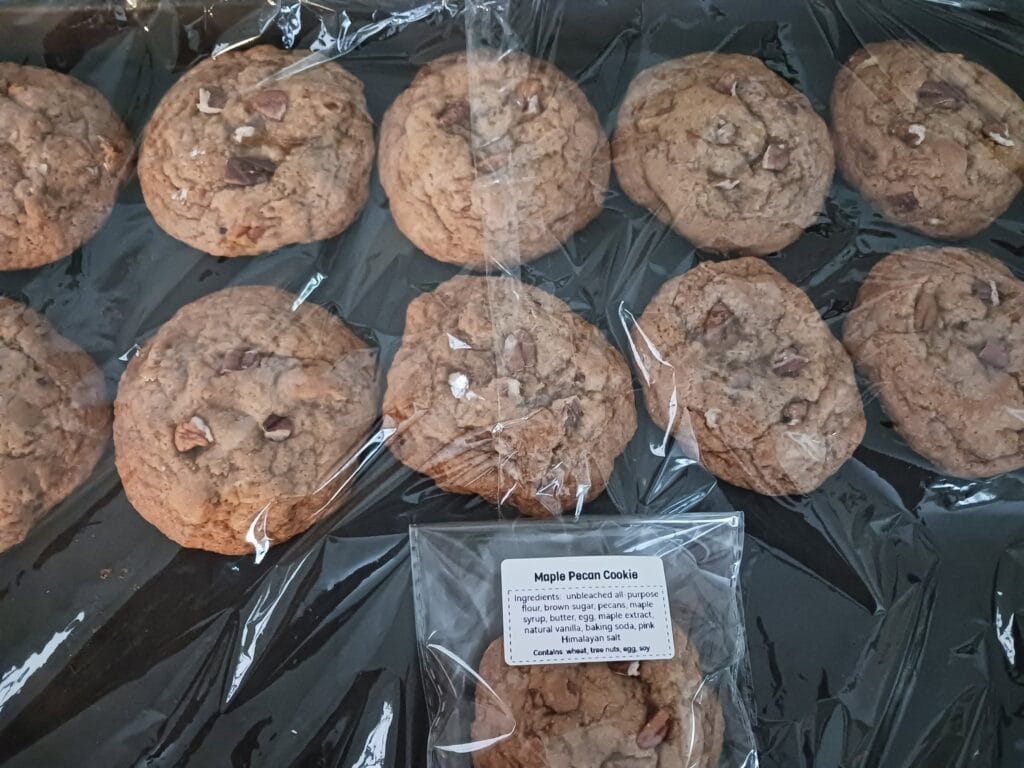

Many modern CSAs have expanded beyond vegetables to include add-ons like eggs, honey, cut flowers, baked goods, or fermented products from partner producers. These add-ons increase the value of the share and can create meaningful additional revenue without significantly increasing the farm's production burden.
Starting a CSA: The Practical Steps
Before you recruit a single member, build your crop plan. A CSA without a realistic crop plan is a commitment you cannot fulfill — nothing damages trust faster than consistently disappointing boxes. Know what you can reliably grow through succession planting, what your harvest windows look like, and how each crop contributes to weekly share volume across the full season.
Start with a member count you can actually support well. Fifteen to thirty members is a reasonable scale for a first-year CSA on a small market garden. Your goal in year one is to deliver consistently excellent boxes and develop your pickup or delivery logistics — not to maximize membership before you know what you are doing.
Your first members will almost certainly come from people you already know: neighbors, friends, longtime farmers market customers, and community members who have been following your farm's story. Reach out directly before you announce publicly. A personal invitation converts far better than any social media post.
Pricing Your CSA Shares Correctly
CSA share pricing should reflect your actual costs: seeds, transplants, soil amendments, water, packaging, labor, and any delivery infrastructure. Divide your total production budget by the number of shares you plan to offer. That number is your floor. Price above it to account for unexpected crop losses and to actually pay yourself for your time.
Many new CSA farmers underprice their shares because they feel uncertain about asking for what the food is worth. The members who genuinely value local food and want to support small farms will pay a fair price. The ones who balk at fair pricing were probably not your ideal CSA members anyway.
Reaching Customers Who Want to Buy Local Without a Full Commitment
Not every potential customer is ready to commit to a full-season share. Some want to try your products before committing. Some have unpredictable schedules. Some just want a jar of your berry jam or a bundle of dried herbs without signing up for a weekly box.
A CSA and an online marketplace presence are not competing channels — they serve different customers with different needs. Small farms can use both. Butter and Sage Market lets you list and sell individual farm products to local shoppers who want fresh, local food on their own terms, between market days and outside of share commitments.


Keep reading
More from the market

The Hidden Crisis in American Food: Why Small Farms Are Disappearing — and What You Can Do
Over $1 billion in federal local food programs has been cut in 2026, and small farms are feeling it. Here is what…
Read more
How to Start a Market Garden: Growing Vegetables for Profit on a Small Plot
A market garden can generate real income on less than an acre. Here's how to plan your space, pick high-value crops, and…
Read more
How Small Farms Can Scale and Sustain Their Business: A Practical Guide
Small farms are the heart of local food systems. They grow fresh produce, support rural economies, preserve biodiversity, and often practice regenerative…
Read more