
Back-to-School Lunches from the Farmers Market (A Real Parent’s Guide)
A single Saturday at the farmers market solves more of the school lunch problem than a whole cart at the grocery store. What packs well, what wilts, and the four-part formula.
 1 min read
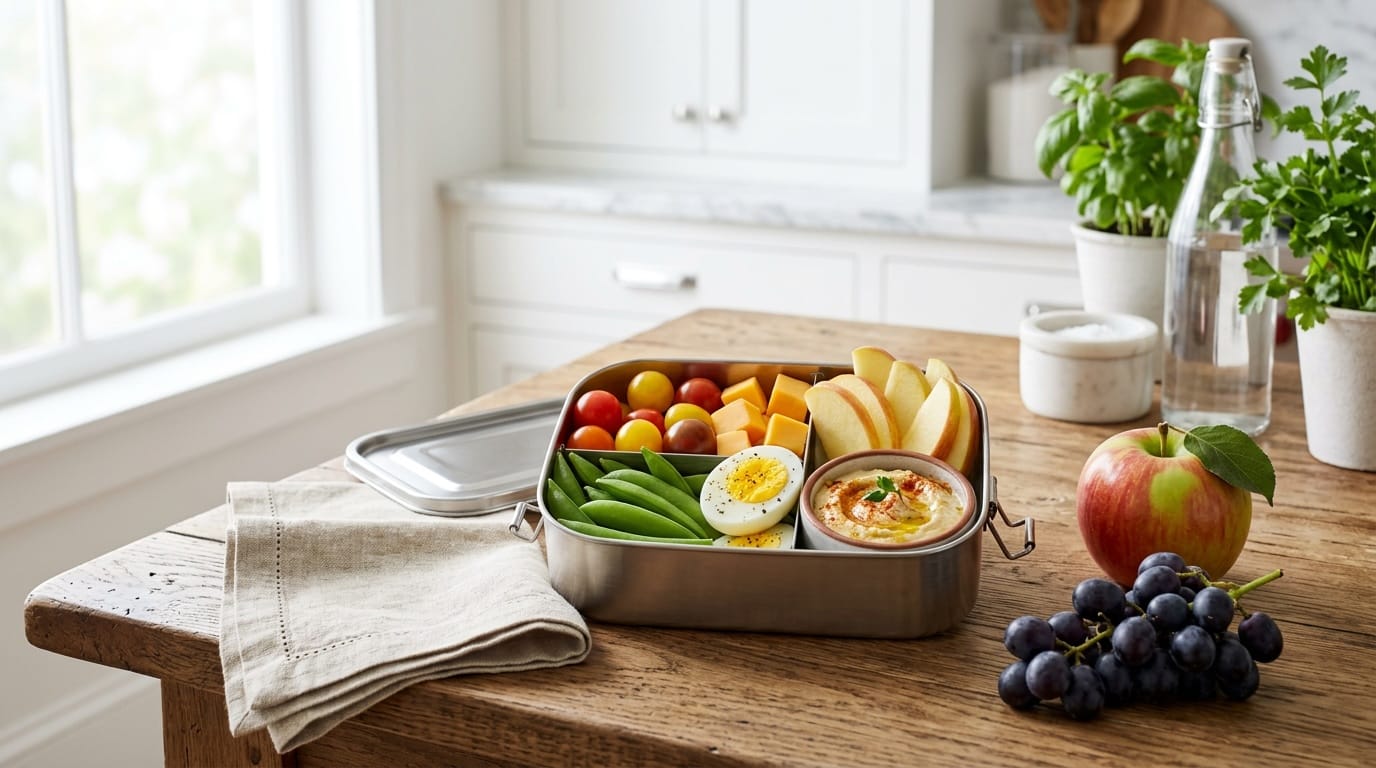
There is a specific flavor of dread that arrives around 7 p.m. on the first Sunday of the school year. The backpacks are by the door, the shoes are mostly located, and then it hits you: you are going to have to pack a lunch tomorrow. And the next day. And roughly one hundred and eighty days after that.
I am not going to tell you to make bento boxes shaped like woodland animals. Nobody has time for that, and your kid would eat around it anyway. But I will tell you that a single Saturday morning at the farmers market in late August solves more of this problem than an entire cart at the grocery store, and it does it for less money than you would guess.
Here are real farmers market school lunch ideas from someone who has packed a lot of lunches and thrown away a lot of soggy sandwiches.
What Is at the Market Right Now That Actually Packs Well
Late August and early September are a genuinely lucky window. The summer produce is still going strong and the fall crops are starting to arrive, so you get both. Not everything at the stall survives four hours in a backpack, though. These do.
- Cherry and grape tomatoes. The most reliable lunchbox produce that exists. They do not bruise, they do not leak, and kids eat them like candy.
- Sugar snap peas and green beans. Raw, whole, no prep at all. Crunch is what makes a lunch feel like a snack.
- Carrots and cucumbers. Cut them the morning of, not on Sunday, or you get that sad wet texture by Wednesday.
- Apples and pears. Early varieties are showing up now. Whole apples travel better than sliced ones.
- Grapes. If your market has Concord grapes in September, buy them. They taste like something a grocery store grape has never even heard of.
- Sweet peppers. Cut into strips, they are sturdier than almost anything else and they go with any dip.
- Hard cheeses. Cheddar and gouda from a local dairy hold up all morning without refrigeration in an insulated bag.
- Eggs. Hard boil a dozen on Sunday and you have protein for half the week.
The things to be careful with: berries turn to jam under a math textbook, leafy salads wilt, and anything sliced and exposed goes brown. That is not a rule against them, just a reason to pack them differently.
The Sunday Market Run That Sets Up Five Lunches
Do not shop for five individual lunches. Shop for four categories and then assemble. It is faster, it wastes less, and it means Thursday does not require a plan.
Walk the market with this list in your head: one crunchy vegetable, one fruit, one protein, one thing that feels like a treat. Buy enough of each for the week. That is it. A typical haul might be a pint of cherry tomatoes, a bag of snap peas, a half dozen apples, a block of cheddar, a dozen eggs, and something from a cottage food vendor for the treat slot.
Then do twenty minutes of prep when you get home while everything is still on the counter and you have momentum. Wash and dry the tomatoes. Hard boil the eggs. Cut the cheese into cubes and put it in one container, not five. Portion the treat.
Monday through Friday, packing a lunch becomes a matter of grabbing one thing from each container. Under three minutes, no decisions, no 7 p.m. dread.
The Build-a-Lunch Formula
Every lunch that actually comes home empty has four parts. Miss one and you get a kid who is starving by 2 p.m.
Something crunchy. Raw vegetables, crackers, or both. This is the part kids reach for first, which is exactly why it should be the vegetable.


Something with protein. Eggs, cheese, leftover chicken, nuts if the school allows them, hummus, or a bean salad. Without this the whole lunch burns off in an hour.
Something dippable. This is the trick that gets vegetables eaten. Hummus, ranch, a yogurt dip, a good mustard, apple butter for cheese. A dip converts a raw carrot from a chore into an activity.
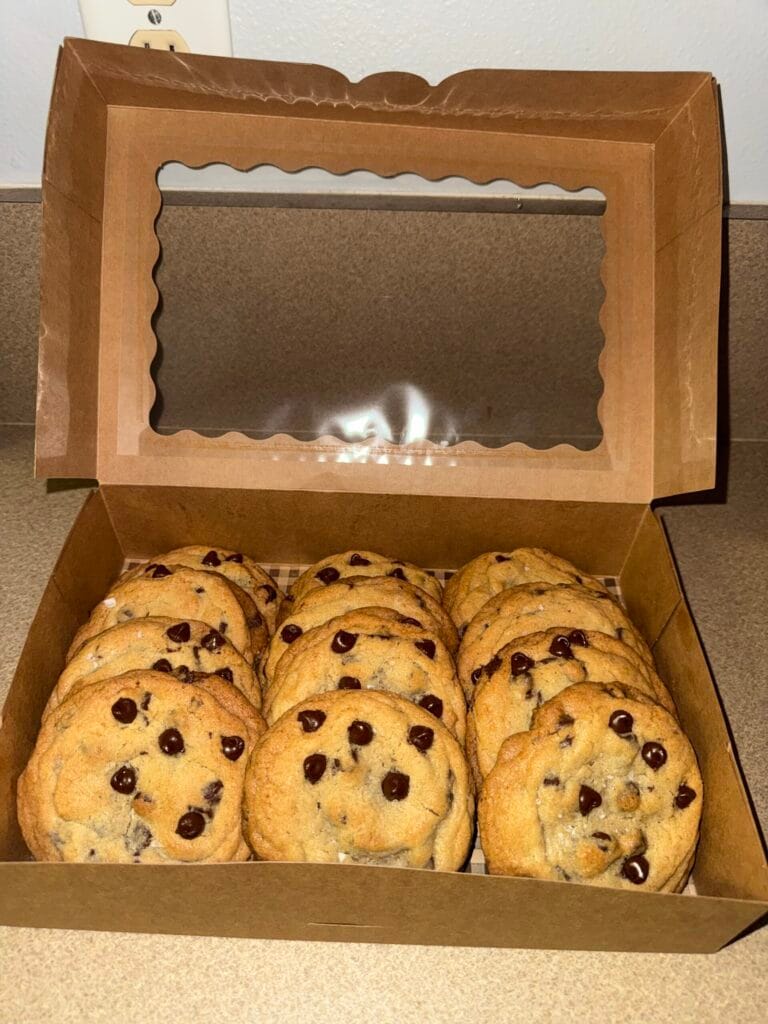
Something sweet. Not a bribe, a closer. Fruit works, but so does one really good cookie from a local baker. A lunch with nothing to look forward to at the end tends to come home half full.
The Cottage Food Aisle You Have Been Walking Past
Most of what goes into a lunchbox in this country comes wrapped in plastic with an ingredient list you would need a chemistry degree to parse. The farmers market has a whole section of alternatives, and most parents walk right past it because they think of it as a treat table rather than a grocery run.
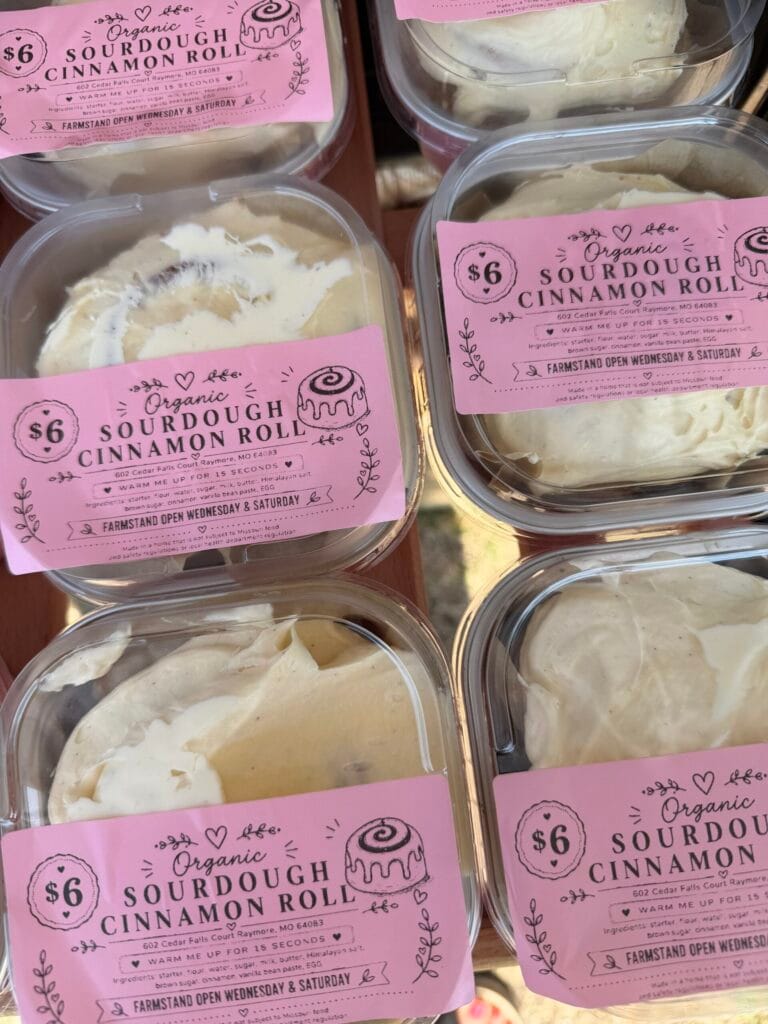
Look for granola from a local maker, sold by the bag, that beats every cereal bar on the shelf. Jams and apple butters that make a plain cheese sandwich worth eating. Pickles, which travel well and are somehow universally beloved by children. Small-batch crackers, including the sourdough ones showing up at more and more booths. Real cookies from a home baker, where the ingredient list is butter, flour, sugar, eggs.
These cost more per unit than the boxed version. They also do not need three shelf stabilizers to survive a warehouse, and they were made a few miles away by somebody whose name you can learn. When you buy a jar of granola from a cottage food vendor, that money stays in your town, and it goes to a person who is probably packing school lunches too.
Making It Survive Until Noon
A few small things separate a lunch that gets eaten from one that comes home in a defeated heap.
Dry everything you wash. Water is what turns fresh produce limp. Salad spinner, clean towel, whatever you have.
Keep wet things away from dry things. A tiny separate container for dip is worth the extra dish. Soggy crackers are a lunch-ending event.
Use an ice pack even in September. Early fall classrooms are warm, and an insulated bag with one frozen block keeps cheese and eggs genuinely safe for four hours.
Cut fruit the morning of, or squeeze a little lemon on apple slices. Brown apples are the fastest way to lose a kid's trust.
And pack a little less than you think. A lunchbox that comes home empty feels like a win to a kid. One that comes home stuffed feels like a failure, even when they just were not that hungry.
Go Saturday, Not Sunday Night
The real shift here is not a recipe, it is when you make the decision. Sunday night you are tired and everything looks like a chore. Saturday morning at the market, with a coffee, in reasonably good light, buying food from people who grew it, is a genuinely nice hour. And it happens to solve five lunches.
Find a market near you, take a kid with you if you can stand the negotiating, and let them pick the treat slot themselves. Kids eat what they chose. That one is free.
Find a farmers market near you and see what is worth packing this week.

Keep reading
More from the market
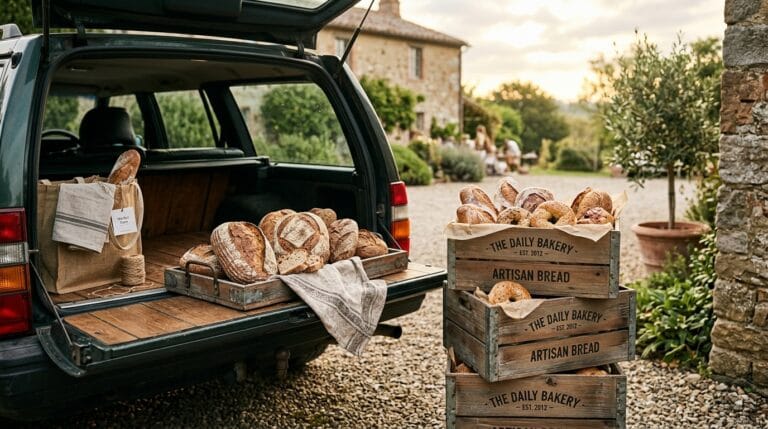
How to Get Your Baked Goods to Market Without Wrecking Them
Cakes slide, frosting sweats, cookies go soft in the car. The crates, timing and packing order that get your bakes to the…
Read more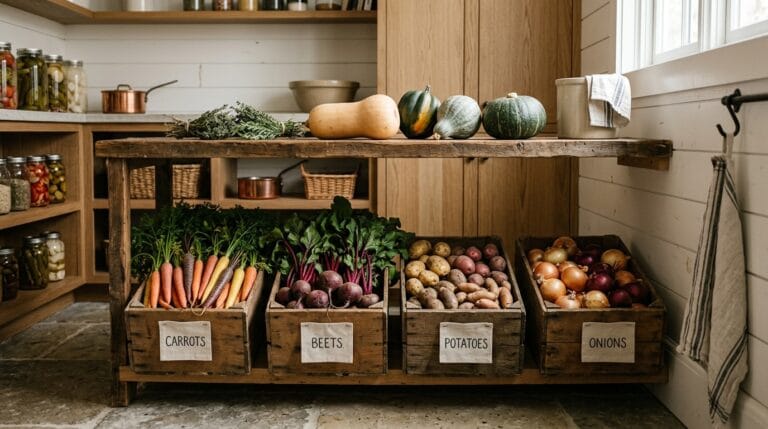
How to Store Root Vegetables and Winter Squash So They Last Until Spring
Potatoes, squash, carrots and onions will keep for months if you get a few things right. What each one wants, and the…
Read more
What to Do With Unsold Stock When the Market Season Ends
The last market of the season ends with a car full of what did not sell. Here is how to turn that…
Read more