What to Put in Your Farmers Market Vendor Application and Rules
What belongs in a farmers market vendor application and rules packet: products, producer-only terms, cottage food papers, insurance, booth rules, enforcement.
 4 min read

A good farmers market vendor application does two jobs at once. It tells you who is applying and whether they fit, and it spells out, in writing, the vendor’s side of the deal. Get it right and most of the hard conversations of the season never happen. Get it wrong and you spend August arguing about whether a crate of grocery-store peaches counts as “grown nearby.”
One note before we start: this is practical guidance, not legal advice. Rules that touch contracts, liability or who may participate are worth a review by an attorney or your state farmers market association before you publish them.
The packet: application, rules and a signature
Rules and bylaws are different documents. SDSU Extension’s chapter on drafting official documents for a farmers market explains that rules govern daily operations while bylaws cover how the organization itself is run. Vendors need the rules.
The Farmers Market Coalition’s market policies guidance recommends giving every vendor a copy of the rules with their application and having them sign a statement that they will follow them. That signed page is your agreement. Without it, every enforcement conversation starts with “nobody told me.”
What the farmers market vendor application should ask
Ask only for what you will actually use to decide. Every extra page loses a good applicant somewhere.
- Business and contact details, and who will staff the booth
- Every product they plan to sell, by season
- Where and how it is produced: farm location, kitchen type, growing practices they claim
- Whether anything is resold or sourced from another farm, and from whom
- Copies of licenses, permits or registrations their products require
- Proof of insurance, if your market requires it
- Stall needs: size, power, vehicle access, and market dates
- Payment methods, including SNAP/EBT or market tokens
Photos of a past booth or product are a nice optional extra. They help you picture the market and give new makers a chance to show care they cannot yet show with a track record.
Producer-only, or something in between
The Coalition defines producer-only simply: “vendors at the market sell only what they themselves produce.” It also notes your market does not have to be purely producer-only. What matters is that you define your policy clearly and enforce it consistently. SDSU’s sample rules, for example, set an 80 percent self-produced, 20 percent resale limit. Some markets allow resale only for items no local farm grows. Others ban it entirely.



Whatever you choose, make vendors declare it on the application. A short crop or product list, signed, gives you something concrete to check against later.
Cottage food documentation
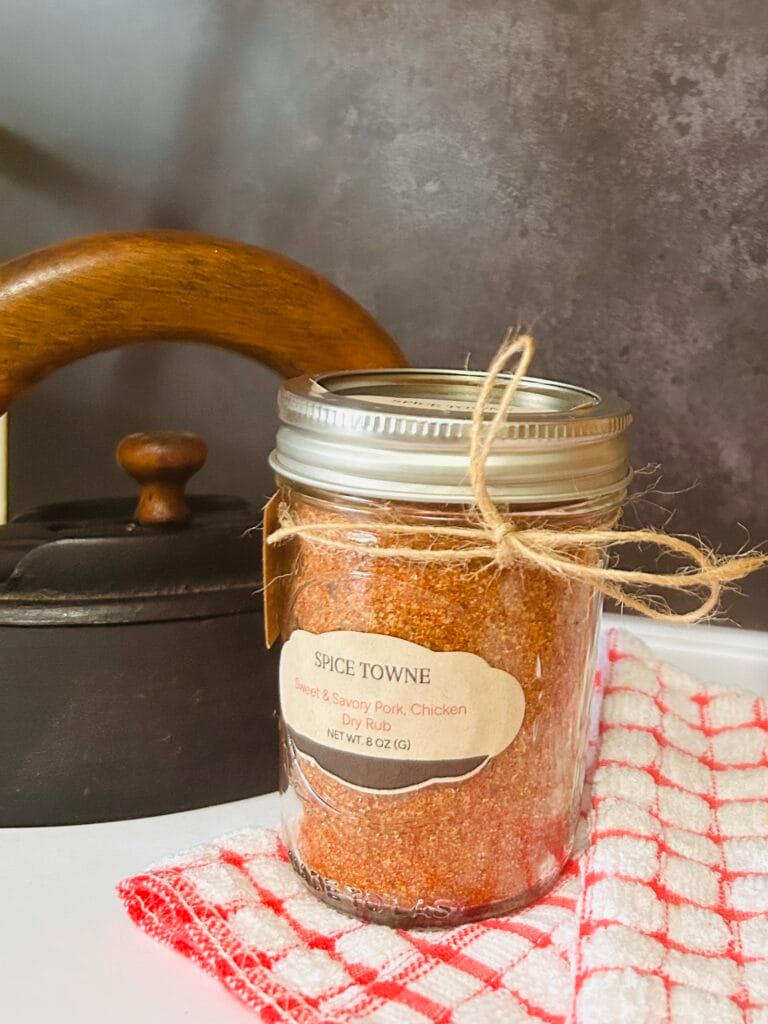
Home bakers and jam makers sell under their state’s cottage food law, and those laws differ a great deal. Some states require registration or a permit, some require food safety training, some cap annual sales, and nearly all set labeling rules. Do not enforce rules from guesswork. Ask each maker for whatever their state requires, and confirm the details with your state department of agriculture or health department.
For a quick orientation, our cottage food law guides by state are a quick orientation, and our guide to cottage food labeling covers what makers generally put on a label.
Insurance certificates
The Coalition’s insurance FAQ says vendors should at least carry general liability insurance before they set up, and notes many markets ask vendors to list the market as an “additional insured” on their policy. Collect the certificate before a vendor’s first market. SDSU’s sample rules use a $1 million liability minimum for produce and food vendors, but the right amount for your market depends on your site agreement and your own policy. Ask your insurance agent.

Applications, certificates and rules in one place
That is the kind of job we want Farmers Market Manager to take off your plate. Founding markets get it first.
Join the founding markets
Fresh. Local. Sustainable.
Farm visits
Many markets verify producers by visiting farms as well as checking at the market. The Coalition points out that visits also teach managers how vendors grow and which challenges they face. Say in your rules that visits may happen, use a simple written form so every visit covers the same ground, and schedule most of them in advance. A visit should feel like interest in the farm, not an inspection raid.
Booth rules and enforcement
Booth rules cover the daily mechanics: setup and teardown times, staying open until close, tent weights, prices displayed, legal-for-trade scales, sampling as your health department allows, cleanup, and how much notice to give before missing a market. SDSU’s sample asks for three days’ notice and treats three “no show, no call” absences as grounds for losing the assigned stall.
Then decide how rules are enforced, and write that down too. The Coalition quotes ATTRA’s advice that rules “should provide a sliding scale of penalties based on numbers and severity of violations.” The Massachusetts Department of Agricultural Resources’ market guide suggests, for resale violations, that a farmer is no longer allowed to sell after three warnings, and recommends an independent appeals committee for disputes. A written warning, then a missed market, then removal is a common shape.
The best rules are the ones you never have to read aloud, because everyone signed them in March.Butter & Sage Market
When you do turn down an applicant, say why, briefly and kindly. A maker who knows their insurance was missing or their product duplicated three others can fix it and reapply. If you want to see that moment from the vendor’s side, read Your Farmers Market Application Got Rejected. Now What? It is a good reminder of how much a short explanation means.
What is the one rule you wish you had written before your first season? Share it in the comments.

Keep reading
More from the market

How Much to Charge for a Loaf of Sourdough (And Why Batch Size Changes Everything)
How much to charge for a loaf of sourdough? We cost six-loaf and twelve-loaf bake days line by line, and show why…
Read more
What to Do When a Customer No-Shows on a Big Prepaid Order
A customer no-show on a prepaid order is unsettling. What to say first, how long pies and cookies keep, what to do…
Read more
Farm Stand, CSA or Farmers Market: Which Fits Your Farm?
Farm stand vs CSA vs farmers market, from the farm's side: four questions that usually decide it, what each channel asks of…
Read more