
If you are baking in Alabama, your state has removed its previous sales cap, making it one of the more welcoming cottage food frameworks in the South. No ceiling on what you can earn from your home kitchen. But there are specific requirements that must be checked off before your first sale, including a food safety training course worth taking even if it were not required.
What Alabama Cottage Food Law Allows
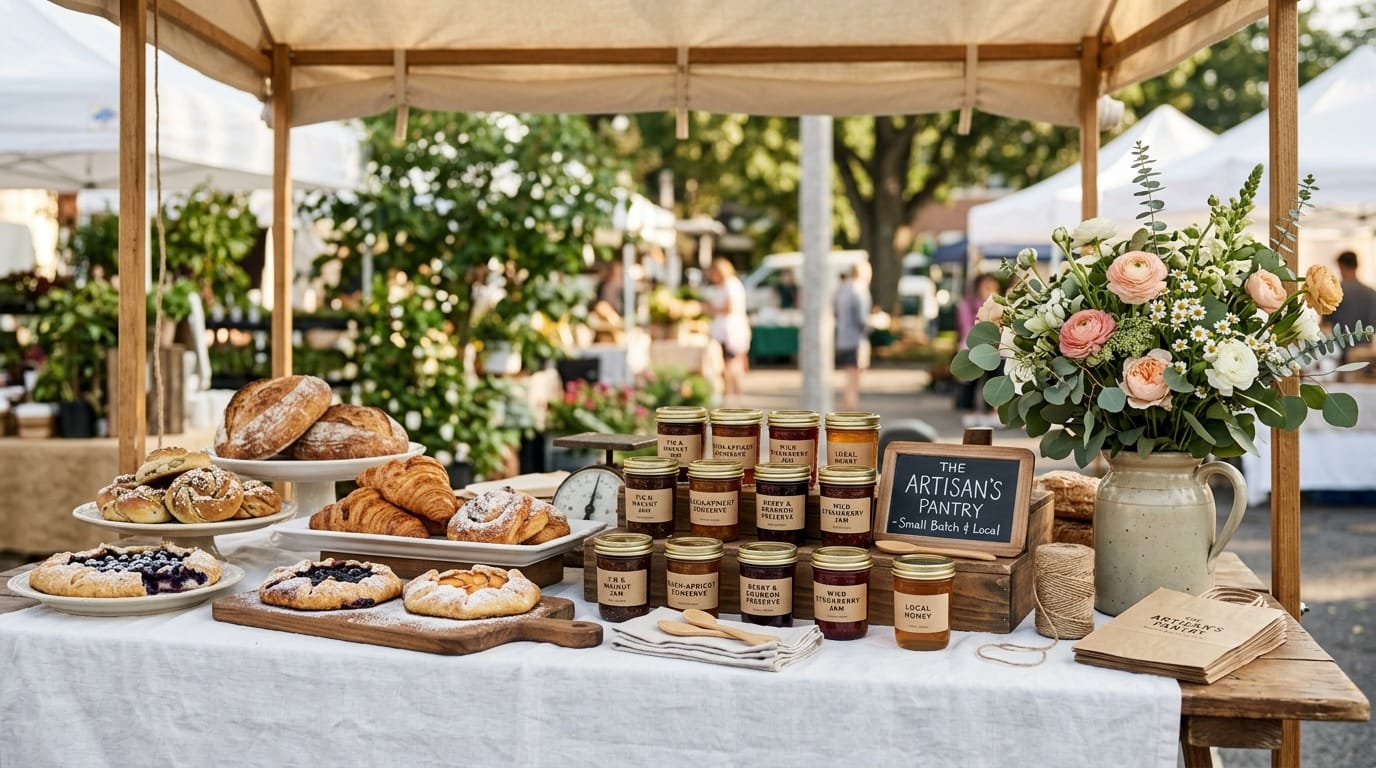
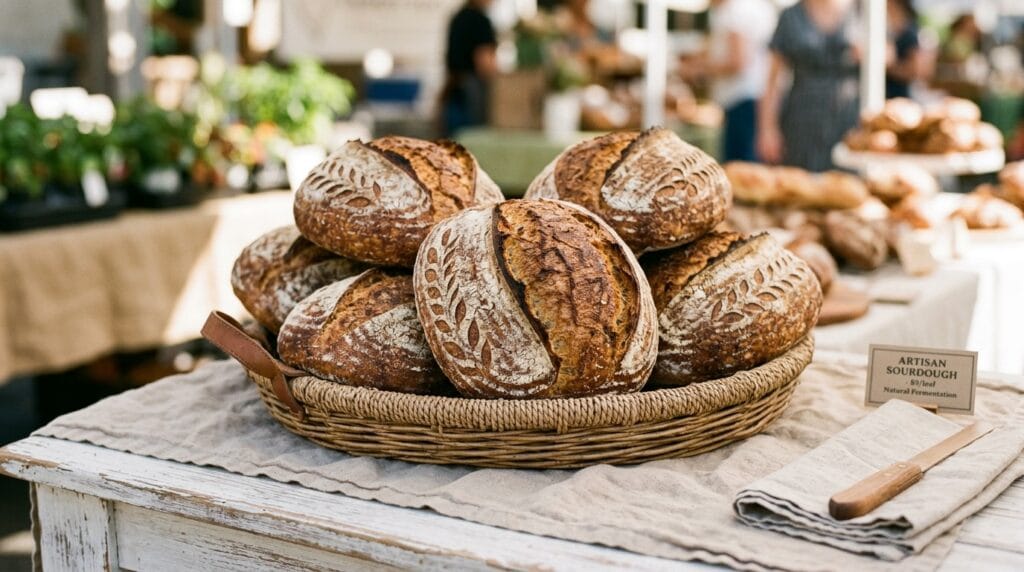
Alabama cottage food law permits the sale of non-potentially hazardous foods made in a residential kitchen without a commercial kitchen license. Baked goods, jams, jellies, candy, roasted nuts, dried herbs, and honey are generally fair game. Products that require refrigeration fall outside the law protection and require a different licensing path. Sales must be direct-to-consumer through farmers markets, roadside stands, community events, and farm stands. Verify online sales guidance with your county health department before launching a shop.
Three Things Required Before Your First Sale
1. Complete a food safety training course. Alabama requires cottage food producers to pass a food safety course approved by the Alabama Department of Public Health. Alabama Cooperative Extension offers these statewide, as do various ANSI-accredited programs online.
2. Register with your county health department. Register your cottage food operation with your county environmental health office before you sell. This is a notification process, not a full commercial permit, but it is required.
3. Have your labels reviewed and approved. Alabama requires that product labels be reviewed by a county health official before you use them. Get this done early and budget time for any revisions.
Required Label Elements
Every product must carry the product name, complete ingredient list in descending order by weight, all major food allergens, net weight or volume, your name and city plus state, and this required disclaimer: Made in a cottage food operation not inspected by the Alabama Department of Agriculture and Industries.
No Sales Cap
Alabama removed its previous twenty thousand dollar annual sales cap. Today there is no statutory ceiling on cottage food earnings. You can grow your operation, add seasonal products, and increase your market presence without worrying about whether your success pushes you out of legal compliance. For the current law and updates, visit the Alabama Department of Public Health Food Safety page or contact your county health department.
Butter & Sage Market
Ready to Take Your Alabama Cottage Food Business Online?
Butter & Sage Market is the only marketplace built exclusively for small and cottage food businesses. Open your shop, get discovered by buyers in your area, and grow without needing a tech degree.
Fresh. Local. Sustainable.
Legal Disclaimer: This post is for informational purposes only and is not legal advice. Cottage food laws change frequently. Always check your state current statutes or consult a local attorney before starting your food business.


0 Comments