Your First Farmers Market Booth: A Friendly Guide for Small & Cottage Food Businesses
Learn how to succeed at your first market with this complete guide to setting up a farmers market booth. Discover booth design tips, what equipment to bring, how much product to prepare, and simple strategies to attract customers, encourage pre-orders, and create a professional display that helps your cottage food business stand out.
 1 min read
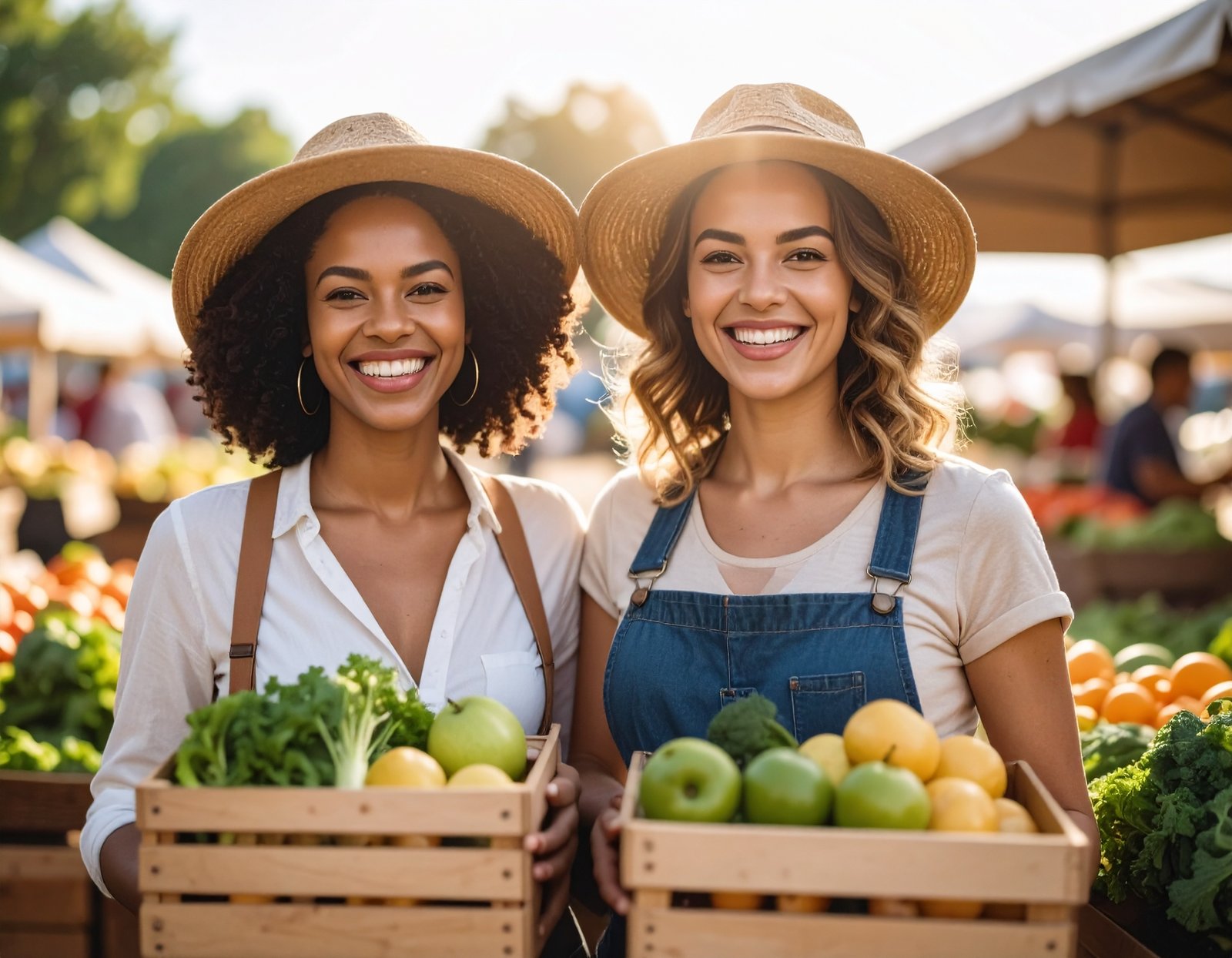
Your first farmers market can feel like the first day of school. You’ve baked the cookies, jarred the jam, or perfected your sourdough… but now you have to set up a booth and sell it.
The good news? Farmers markets are one of the most welcoming places for small food businesses. Shoppers are there specifically to support people like you. They want homemade bread, small-batch salsa, and cookies that clearly didn’t come from a factory.
Still, preparation is everything. A well-organized booth makes you look professional, helps you sell more, and saves you from that frantic moment when someone asks for change and you realize your cash box is buried under a tablecloth.
Let’s walk through exactly how to prepare for your first market, from what to pack to how much product to bring.
First Things First: Think Like a Shopper
Before we get into checklists, imagine you’re walking through the market.
You’re carrying coffee in one hand, maybe a breakfast taco in the other, and you’re scanning booths quickly.
You stop at the booths that are:
Easy to see from a distance
Clearly labeled
Well organized
Friendly and inviting
Your goal is simple: make it obvious what you sell and make it easy to buy it.
If a customer has to ask what you sell, search for prices, or wait while you dig through bags… you’ll lose sales.
So your booth should answer three questions instantly:
What are you selling?
How much does it cost?
How do I buy it?
Must-Have Booth Essentials (Your Starter Setup)
These are the non-negotiables for your first farmers market.
1. A 10x10 Tent
Most markets require white 10x10 tents.
It provides:
Shade for you
Protection for your food
A defined booth space
Look for a tent that includes weights or weight bags. Markets will often require 20–40 lbs per leg because wind and tents are a dangerous combination.
2. A Table
A simple 6- or 8-foot folding table works perfectly.
Add:
A clean tablecloth (preferably reaching the ground)
Neutral colors or your brand colors
Bonus tip: tablecloths that reach the ground allow you to hide storage bins underneath.
3. Clear Signage
Your booth needs two types of signs:
Business Name Sign
This should be visible from across the market.
Examples:
Hanging banner
Chalkboard
Printed vinyl sign
Price Signs
Every item should have a price visible.
Customers love knowing prices before they ask.
4. Payment Options
Bring multiple ways to accept payment.
Most vendors use:
Cash (small bills and coins)
Venmo
Square
PayPal
Cash App
Pro tip: Display a small “Cash • Venmo • Card Accepted” sign so customers know they can buy easily.
5. A Cash Box or Belt Bag
Bring:
$50–$100 in small bills
Lots of $1s and $5s
A few $10s and $20s
You will sell a $5 item and someone will hand you a $20 within the first five minutes. It’s a law of the universe.
6. Packaging
Bring packaging that is:
Clean
Consistent
Easy to carry
Examples:
Bakery boxes
Paper bags
Kraft bags
Sticker labels with your logo
Nice-to-Have Features That Make You Look Professional
These aren’t required, but they elevate your booth instantly.
Tiered Displays
Height makes your booth visually interesting.
Use:
Wooden crates
Cake stands
Tiered trays
Small shelves
Flat tables look like a yard sale. Height looks like a shop.
Samples
Samples can dramatically increase sales.
Tips:
Pre-cut small portions
Use toothpicks or sample cups
Clearly label allergens
Just be sure to check your market rules about sampling.
Menu Board
Instead of tiny labels everywhere, a large menu board can show all items at once.
This helps customers decide quickly.
Branded Packaging
Even simple touches make a difference:
Logo stickers
Thank-you labels
Custom tags
Customers often buy from the booth that feels like a real brand.
Upgrades to Add As You Grow
Once you’ve done a few markets and know it’s working, consider upgrading.
Branded Tent
A custom canopy with your logo is a huge visibility upgrade.
Customers will remember your booth.
Table Runners
A logo table runner is a simple branding improvement.
Lighting
For evening markets:
Clip lights
String lights
Display Cases
Especially helpful for:
Baked goods
Pastries
High-end products
Clear bakery cases keep food protected and visible.
Product Story Signs
Tell customers:
Where ingredients come from
Why you started
What makes your product special
People love buying from real stories.
Booth Design Tips That Increase Sales
Your booth layout matters more than you think.
The Golden Rule: Products Toward the Front
Don’t push everything to the back of the table.
Bring products close to customers so they can see them easily.
Use the Triangle Layout
Create a visual triangle:
Tall item (sign)
Medium height display
Lower items
This creates a natural flow for the eye.
Leave Room for Customers
Avoid clutter.
Crowded tables feel overwhelming.
How Much Product Should You Bring?
This is one of the hardest things for new vendors.
A simple guideline:
Bring enough product to fill your table fully for the first half of the market.
You want your booth to look abundant.
Starting Estimate
For a first market:
Bring 2–3 hours worth of product.
Example:
If you sell cookies:
150–250 cookies
If you sell bread:
40–60 loaves
If you sell jam:
30–50 jars
Track what sells and adjust next time.
Encourage Pre-Orders for Market Pickup
Pre-orders are a game changer.
Benefits:
Guaranteed sales
Less leftover product
Customers seek out your booth
Ways to do it:
Social Media Post
Example:
“We’ll be at the Saturday farmers market!
Pre-order your sourdough loaf and we’ll have it ready for pickup.”
Website Orders
Allow checkout with:
“Farmers Market Pickup”
“Saturday Market Pickup”
Limited Quantity
Create urgency:
“Only 20 loaves available for pre-order.”
How to Promote Your Market Appearance
Many vendors skip this step.
Promotion = more customers.
Post on:
Instagram
Facebook
Local groups
Share:
What you're bringing
Photos of products
Market location
Booth number if available
Example post:
“Catch us at the Saturday Farmers Market!
Fresh cinnamon rolls, sourdough loaves, and our new strawberry jam.”
How to Pack for Market Day
Pack the night before whenever possible.
Create bins for categories:
Food Storage Bin
Products
Backup stock
Sales Bin
Cash box
Card reader
QR codes
Booth Setup Bin
Tablecloth
Clips
Signage
Emergency Kit
Bring:
Tape
Zip ties
Paper towels
Hand sanitizer
Extra bags
Pens
Scissors
Markets always require a little improvisation.
Farmers Market Vendor Checklist
Booth Setup
Tent
Tent weights
Table
Tablecloth
Banner/sign
Displays
Crates or risers
Trays or baskets
Price signs
Menu board
Payments
Cash box
Change
Card reader
QR codes
Packaging
Bags
Boxes
Stickers
Labels
Food Safety
Gloves
Hand sanitizer
Hair ties
Tongs
Comfort
Water
Snacks
Sunscreen
Hat
Small fan
Markets can be long and hot.
Take care of yourself too.
Farmers Market Tips From Experienced Vendors
Smile and Greet People
A simple:
“Good morning!”
goes a long way.
But avoid the dreaded:
“Can I help you?”
Let people browse first.
Talk About the Product
Customers love hearing:
“These are baked this morning.”
“This recipe is my grandmother’s.”
Story sells.
Watch What People Pick Up
If customers repeatedly grab one product first, highlight it.
That’s your hero item.
Take Notes After the Market
Write down:
What sold out
What didn’t sell
Customer feedback
Weather and crowd size
This helps you refine your strategy.
Your First Market Is Just the Beginning
Your first farmers market booth probably won’t be perfect.
Maybe the wind blows your signs over.
Maybe you bring too many muffins.
Maybe you forget the scissors.
Every vendor has been there.
But each market teaches you something:
What customers love
How much to bring
How to improve your display
Before long, you’ll have a smooth routine and regular customers who walk straight to your booth.
And that moment when someone says:
“I came back because I bought your jam last week and it was amazing.”
That’s when you know you’re doing it right.


Keep reading
More from the market
How to Get Your Baked Goods to Market Without Wrecking Them
Cakes slide, frosting sweats, cookies go soft in the car. The crates, timing and packing order that get your bakes to the…
Read more
How to Store Root Vegetables and Winter Squash So They Last Until Spring
Potatoes, squash, carrots and onions will keep for months if you get a few things right. What each one wants, and the…
Read more
What to Do With Unsold Stock When the Market Season Ends
The last market of the season ends with a car full of what did not sell. Here is how to turn that…
Read more