If you live in Texas and you've been dreaming about selling your grandmother's jalapeño jam or those cookies your neighbors beg you to make every time you show up somewhere — you're in luck. Texas has some of the most welcoming cottage food laws in the country, and as of September 2025, they got even better.
Let's break down exactly what you can sell, where you can sell it, and what you actually need to do to get started legally.
What Is the Texas Cottage Food Law?
The Texas Cottage Food Law allows home cooks and bakers to make and sell certain foods directly to consumers — straight from their home kitchen — without needing a license, permit, or health inspection. You don't need a commercial kitchen. You don't need to register with the state (for most foods). You just need a passion for what you make, a basic food handler certification, and a label that tells customers exactly what they're buying.
What Can You Sell Under Texas Cottage Food Law?
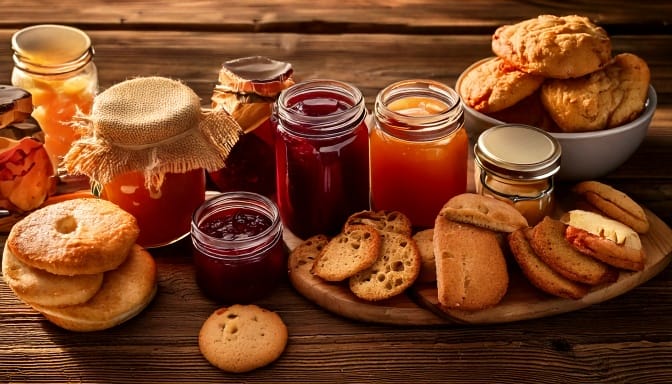
Here's the good news: the list of what you cannot sell is shorter than what you can. Texas cottage food producers may sell almost any non-perishable homemade food directly to consumers, including: baked goods (breads, cakes, cookies, pastries, pies), jams, jellies, and preserves, pickled vegetables and fermented foods, candies and chocolates, dried herbs and spice blends, granola and trail mixes, honey and bee products, and roasted nuts and seeds.
The foods you cannot sell under the standard cottage food law include meat and poultry products, seafood, ice cream and frozen desserts, low-acid canned goods, and raw milk or dairy products.
For foods that require refrigeration — things like cheesecakes or custard-filled pastries — there's a separate TCS (Time/Temperature Control for Safety) registration path through the Texas Department of State Health Services. It adds one extra step, but it's still very manageable for many home cooks.
How Much Can You Earn? The $150,000 Revenue Cap
Texas sets a $150,000 annual revenue cap for cottage food producers. That is not pocket change — that is a real business. For context, many full-time farmers market vendors operate comfortably under that number while doing exactly what they love every single week. If you are worried about hitting that ceiling someday, that's a good problem to have, and Texas gives you plenty of room to grow before you need to think about stepping up to a licensed commercial kitchen.
Where Can You Sell?
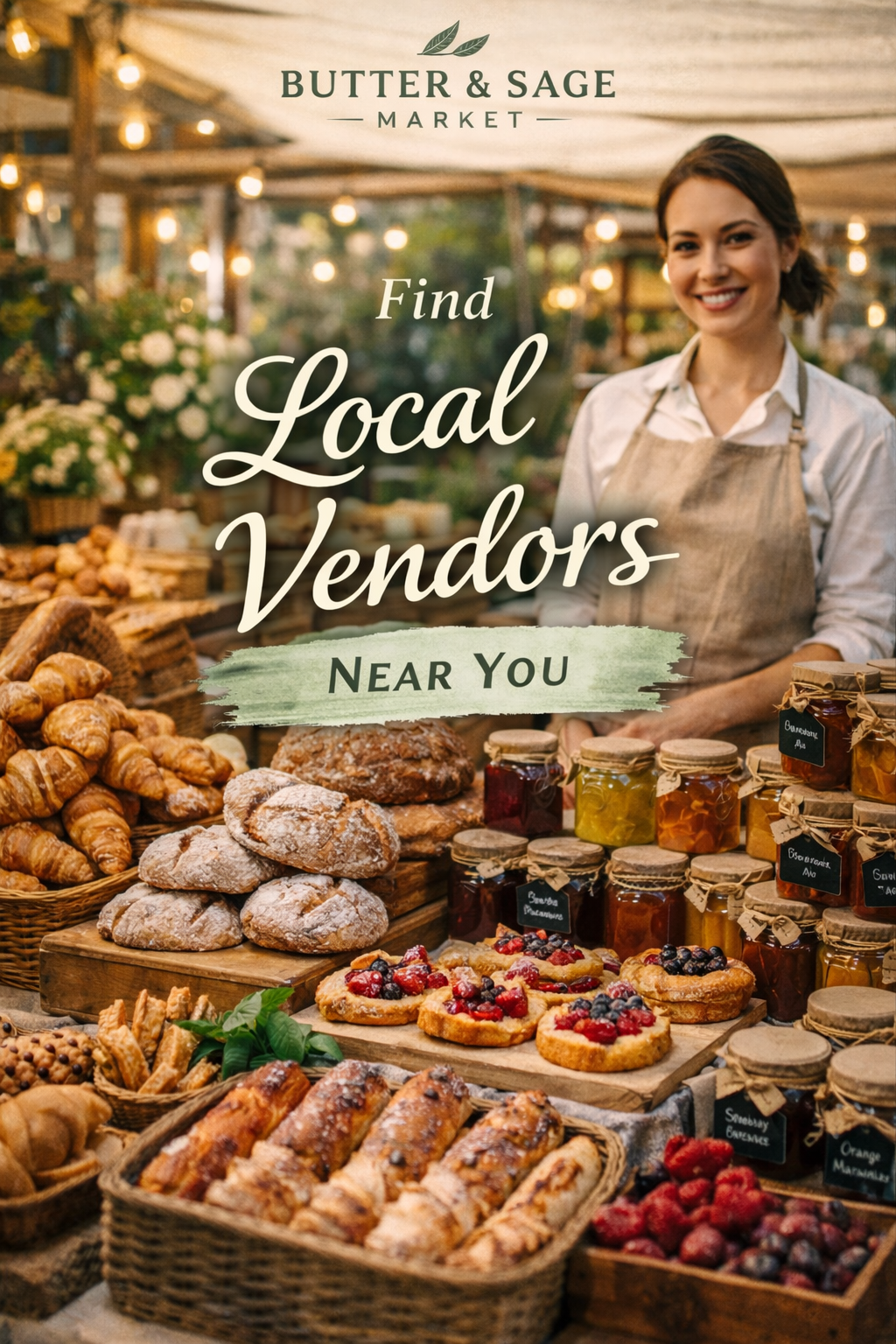
This is where Texas really shines. You can sell your cottage food products directly to consumers at farmers markets, farm stands, craft fairs, and pop-up events. You can also sell online — including through platforms like Butter & Sage Market, where Texas shoppers can find you and place orders. The key rule is that sales must be direct to the end consumer, not to grocery stores or restaurants for resale. This actually works in your favor: it keeps the relationship personal and the margins much higher.
Do You Need a Food Handler Certification?
Yes — Texas requires cottage food producers to complete an accredited food handler training course. The good news? It's about two hours long and typically costs between $10 and $15. Your certification is valid for two years. Look for an accredited course under Chapter 438, Subchapter D of the Texas Health and Safety Code — many are available entirely online and won't eat up much of your baking schedule.
What Are the Labeling Requirements?
Every product you sell must include a label with your name and home address, the name of the product, a complete ingredient list in descending order by weight, net weight or volume, major allergen disclosures, and this required disclaimer: "THIS PRODUCT WAS PRODUCED IN A PRIVATE RESIDENCE THAT IS NOT SUBJECT TO GOVERNMENTAL LICENSING OR INSPECTION."
That disclaimer is required by law and must appear on every single label. It sounds intense, but customers who shop at farmers markets and seek out local food producers understand — and genuinely respect — what it means. In the cottage food community, it's practically a badge of honor.
Ready to Sell Your Texas-Made Food Online?
Texas is a big state — a very big state — with a lot of people who want to buy local, homemade food. But they can't find you if they don't know you exist. Whether you're just getting started or you've been selling at your local farmers market for years, having an online presence makes a real difference for growing your reach and revenue.
Butter & Sage Market is built for exactly this moment: a marketplace where Texas shoppers can discover your products, place orders, and connect with the real person who made their food. No tech skills required. No big upfront investment. Just your recipes, your story, and Texas law firmly on your side.
— Amy
Fresh. Local. Sustainable.
For more information visit the Texas Department of State Health Services Cottage Food Production website.
Texas Makers: Find Your Customers on Butter & Sage Market
⚠ Legal Disclaimer: This post is for informational purposes only and is not legal advice. Cottage food laws change frequently — always check your state's current statutes or consult a local attorney before starting your food business.

0 Comments