Oregon Cottage Food Law 2026: $50K Cap, Almost No Restrictions, and How to Start Selling
Oregon's cottage food law lets you sell jams, baked goods, granola, and more from home with up to $50,000 in annual sales — no commercial kitchen required. Here's everything you need to know.
 1 min read
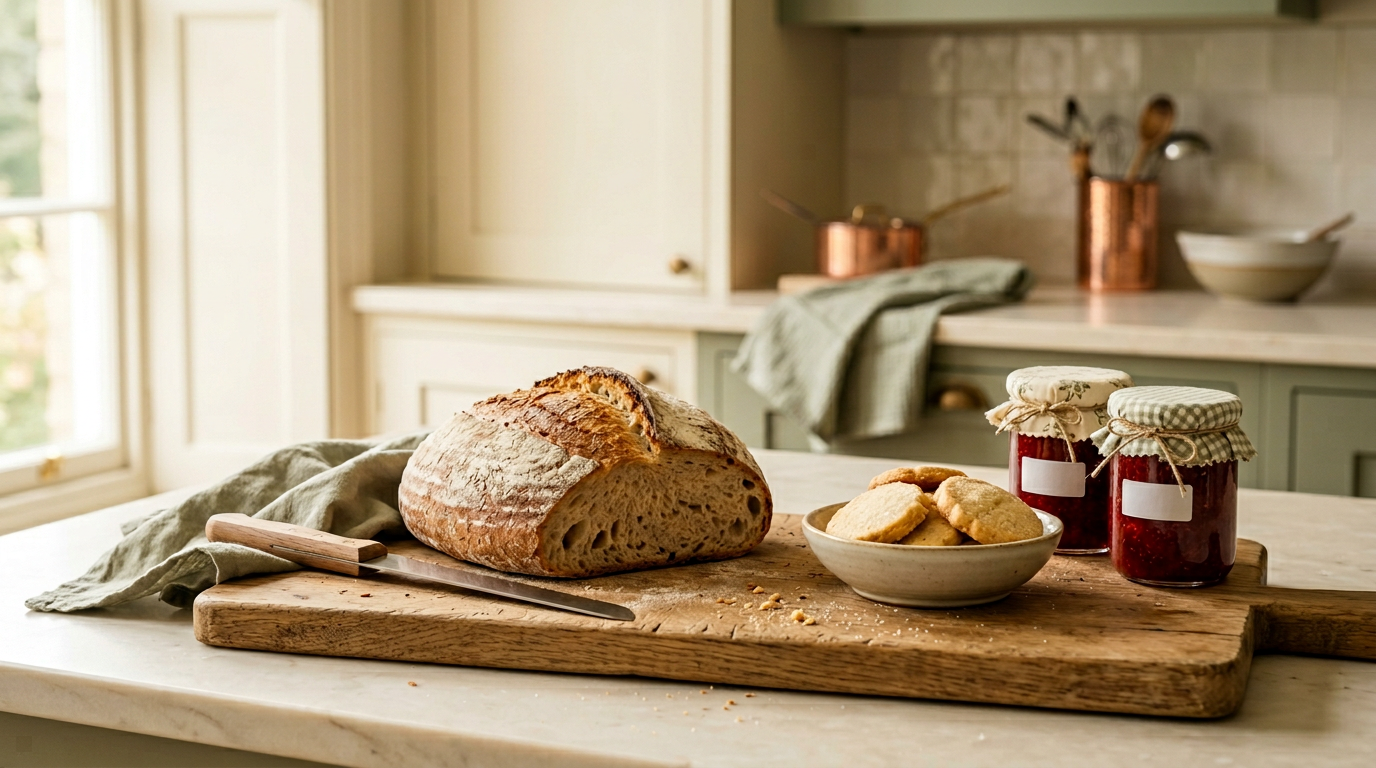
Oregon has long been one of the friendliest states for small food businesses, and the cottage food law is a big part of why. If you've been dreaming about selling your homemade jams, sourdough, granola, or fudge — but weren't sure if you'd need a license, a commercial kitchen, or a small business attorney on speed dial — I have good news for you.
You almost certainly don't need any of those things. Here's exactly how Oregon's cottage food law works in 2026, what you can sell, where you can sell it, and how to get started without the overwhelm.
Oregon Cottage Food Law 2026: The Short Version
Oregon allows home-based food businesses to make and sell certain non-hazardous foods without a commercial kitchen or state food processing license. The two most common exemptions are the Home Baking Exemption and the Farm Direct Exemption, both of which allow up to $50,000 in annual gross sales. If you want to grow beyond that cap, Oregon also offers a Domestic Kitchen License — which has no sales cap and allows more product types.
For most cottage food vendors just getting started, the Home Baking Exemption is the right path. It's straightforward, doesn't require a license, and covers the vast majority of what home bakers and food makers want to sell.
What You Can Sell Under Oregon's Cottage Food Law
Oregon's cottage food rules cover foods that don't require refrigeration for safety and don't contain meat, seafood, or dairy-based hazardous ingredients. In practical terms, that means most of what home bakers and cottage food makers already specialize in is fair game. Allowed products include baked goods like breads, cookies, muffins, brownies, and cakes — custom cakes are permitted as long as they use shelf-stable frostings like buttercream (cream cheese frostings are not allowed). Jams, jellies, and preserves are covered. So are granola, trail mix, candy, fudge, roasted nuts, dried herbs, coffee and tea blends, popcorn, vinegar, and dry spice mixes.
What's not allowed under the basic exemption: anything with meat, fish, or shellfish, and anything that requires refrigeration to stay safe — think cream pies, custards, or anything with fresh dairy fillings. When in doubt, if it can sit safely on a shelf at room temperature, you're probably good.
Where You Can Sell Your Products
Oregon's cottage food law lets you sell in several ways. You can sell directly to consumers at farmers markets and community events — this is where most cottage food vendors in Oregon get their start, and it's a fantastic way to build a loyal customer base fast. You can also sell directly from your home or through online orders, as long as the buyer picks up in person or you deliver to them directly. Oregon does not allow cottage food to be shipped or sold wholesale to grocery stores under the basic exemptions.
One exciting option: Oregon allows cottage food producers to sell to retailers with signage under certain conditions, which gives you more flexibility than many other states. If you're thinking about getting your products into a local shop or cafe, it's worth reading the fine print on how that works.

Food Safety Training and Labeling Requirements
Oregon requires every person who prepares cottage food to hold a valid OHA Food Handler's Card. It costs $10, takes about an hour to complete online, and is valid for three years. This is a state requirement — not optional — so make sure you have it before you start selling.
Labeling is also required, and Oregon is pretty specific about what needs to be on your label. Your label must include the name of the product, a list of ingredients in descending order by weight, the net weight or volume, any major allergens, and the name and address of the cottage food producer. You also need to include a statement that reads: "Made in a home kitchen that has not been inspected by the Oregon Department of Agriculture." This is non-negotiable — it has to be there.
How to Get Started Selling Cottage Food in Oregon
The great news is there's no application or license required to start selling under the Home Baking Exemption. Here's the practical checklist: get your Food Handler's Card if you don't already have one, create compliant labels for your products, decide where you want to sell (farmers market, home sales, online orders), and start selling. That's genuinely it.
If you want to sell at a farmers market, contact the market manager directly to find out their vendor requirements — each market has its own application process and schedule. Most markets in Oregon are welcoming of cottage food vendors, and many specifically look for local makers to round out their vendor mix.
Once you've got your booth set up, don't forget that your farmers market customers want to find you online too. Butter & Sage Market lets Oregon cottage food vendors open a free shop and reach local customers year-round — not just on market days. It takes about the same amount of time as creating an Instagram account, and your customers will love being able to order from you anytime.
Oregon is a genuinely great place to start a cottage food business. The law is sensible, the community is supportive of local makers, and the farmers market culture in this state is exceptional. If you've been waiting for a sign — this is it.
Fresh. Local. Sustainable.
— Amy
For more information visit the Oregon Department of Agriculture — Selling Without a License website.
Oregon Makers: Find Your Customers on Butter & Sage Market
⚠ Legal Disclaimer: This post is for informational purposes only and is not legal advice. Cottage food laws change frequently — always check your state's current statutes or consult a local attorney before starting your food business.

Keep reading
More from the market
Can You Ship Cottage Food? The State-by-State Breakdown for 2026
Can you mail your cottage food products? The short answer is: it depends on your state. Here's the full 2026 breakdown of…
Read more
Georgia Cottage Food Laws 2026: No License Fee, Retail Sales Now Legal, and How to Start
Georgia eliminated its cottage food license fee and opened retail and restaurant sales in 2025 — and 2026 is your first full…
Read more
Food Freedom States 2026: Where Cottage Food Laws Go the Furthest
Nine states have passed food freedom laws that go far beyond standard cottage food rules — no permits, no sales caps, and…
Read more