Minnesota Cottage Food Law 2026: Sell Legally from Your Home Kitchen (No Commercial License Required)
Minnesota's cottage food law lets home bakers sell up to $78,000 worth of homemade goods each year — no commercial kitchen, no inspections. Here's exactly how to register and start selling.
 1 min read
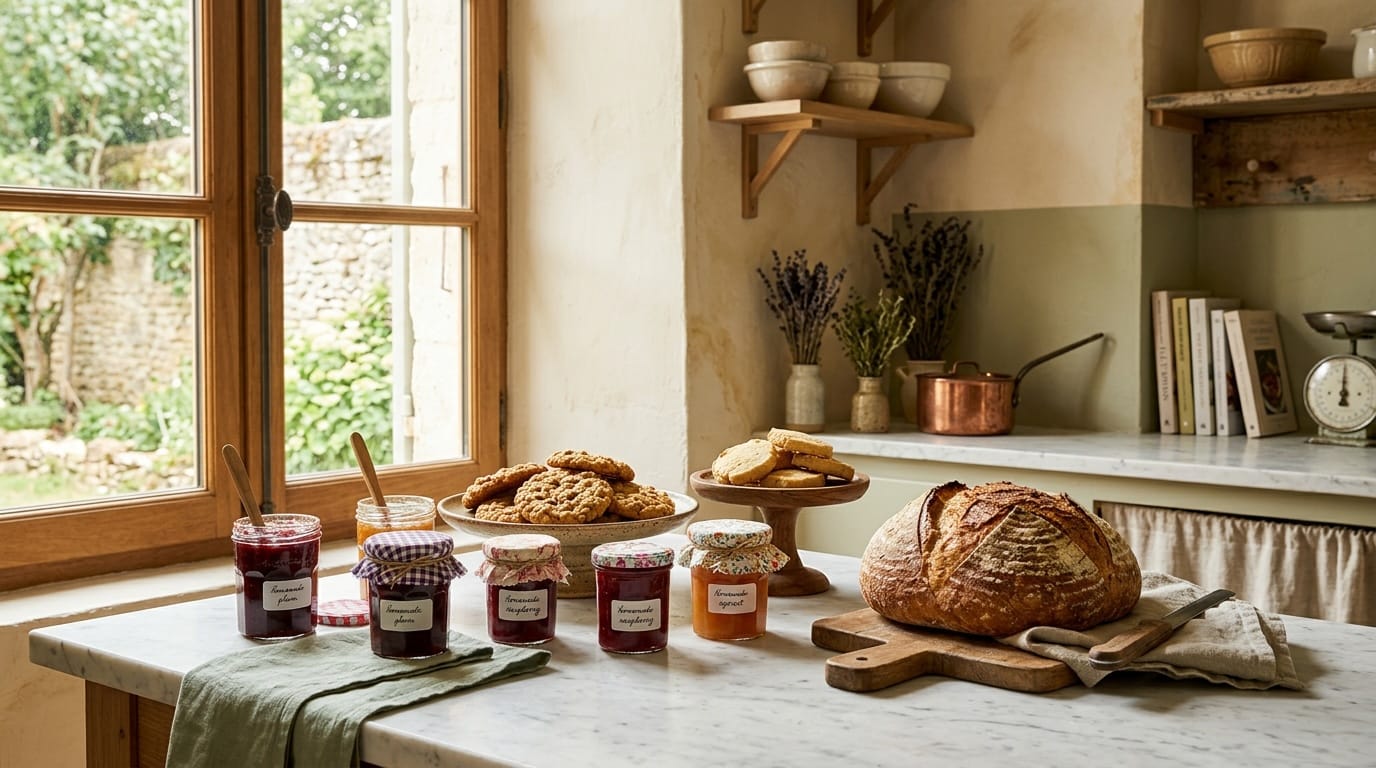
If you've ever wondered whether you can legally sell those jars of homemade jam or those gorgeous decorated cookies you make every weekend — good news. In Minnesota, you can. No commercial kitchen. No license. No inspection. Just a simple registration, a food safety training, and you're in business.
Minnesota's cottage food law has been one of the stronger ones in the country since it went into effect in 2015, and recent updates have made it even more accessible for home bakers, jam makers, and small food producers. Here's everything you need to know about selling homemade food in Minnesota in 2026 — plus a look at significant changes coming in 2027 that are worth knowing about now.
What Is Minnesota's Cottage Food Law?
The Minnesota Cottage Food Law allows individuals to make and sell certain non-potentially hazardous (shelf-stable) foods from their home kitchens without a commercial food license. The law is administered by the Minnesota Department of Agriculture (MDA) and covers a wide range of products that don't require refrigeration to stay safe.
The key distinction: you need to register with the MDA before you start selling. This isn't a license — there's no inspection of your kitchen and no ongoing compliance visits. It's a registration, meaning you're on record and operating legally. That's it.
What Can You Sell in Minnesota?
Minnesota allows the sale of a solid list of shelf-stable foods under cottage food law:
- Baked goods — cookies, cakes, muffins, bread, and pastries that don't require refrigeration after baking
- Jams, jellies, and fruit preserves prepared using standard canning processes
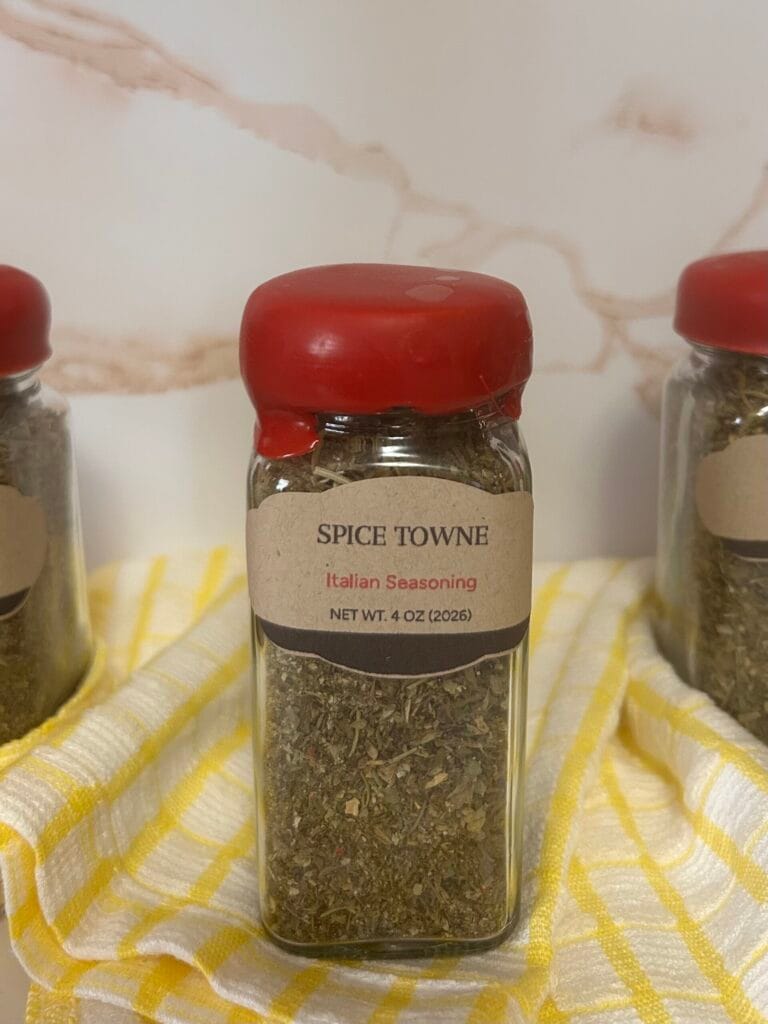
- Dry goods like granola, trail mix, roasted nuts, popcorn, and spice blends
- Candy and confections including fudge, chocolate bark, and brittles
- Pickled vegetables in vinegar-based brine with proper acidity
Products that require refrigeration — cream pies, cheesecakes, meat-based items, anything with custard or cream filling — are not permitted under cottage food. If you're unsure whether your product qualifies, the MDA website has detailed guidance, or you can reach out to them before your first sale.
How to Register as a Minnesota Cottage Food Producer
Minnesota uses a two-tier system based on how much you plan to sell each year:
Tier 1 — Up to $7,665 in annual sales: Complete a free annual online training and exam through the MDA before registering. No registration fee.
Tier 2 — $7,666 to $78,000 in annual sales: Complete an approved food safety course (like ServSafe) once every three years. Registration fee is $50 per year.
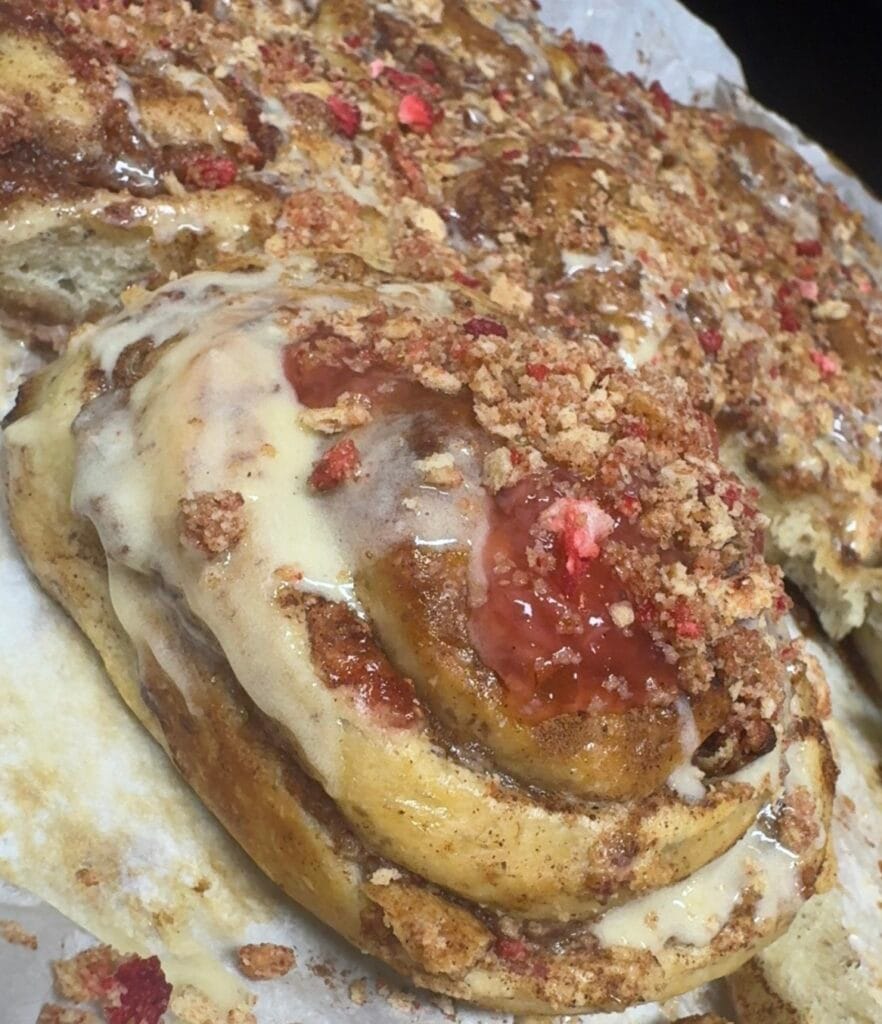
Not sure which tier you'll be in? Start with Tier 1. If your sales grow past $7,665 in a calendar year, you'll step into Tier 2 and update your training accordingly. Register with the MDA before your first sale.
Where Can You Sell?
Minnesota cottage food producers can currently sell their products in three settings:
- From your home — direct sales to customers who come to you
- At farmers markets — your booth, your products, your community
- At community events — craft fairs, church sales, school events, local festivals
Online sales with in-state shipping are not currently permitted — but that's changing in 2027.
Labeling Requirements
Every product you sell must be labeled with:
- Name of the product
- Full ingredient list, including common allergens
- Net weight or net volume
- Your name and home address
- The required disclaimer: "This product was made in a home kitchen that is not licensed or inspected by the Minnesota Department of Agriculture or by local food inspection authorities."
Labels don't need to be elaborate — clean, readable, and accurate is what matters. Double-check your allergen listing especially; this is where most cottage food producers run into problems.
The $78,000 Cap — And the Big 2027 Changes
Minnesota allows cottage food producers to earn up to $78,000 in annual gross sales — genuinely a livable income for a home-based food business, especially if you're selling at multiple markets or running pre-orders from home.
And it's getting better. Legislation passed in 2025 (taking effect August 1, 2027) will bring meaningful improvements:
- Unified $30/year registration fee for all producers, regardless of sales level
- In-state shipping allowed — you'll be able to ship products to customers anywhere within Minnesota via mail or commercial delivery
- Inflation-indexed cap — the $78,000 limit will adjust every two years
- Unified training requirement for all registrants
If you're ready to start, don't wait for 2027. The current law is solid and fully workable. But it's encouraging to know that Minnesota is actively building a better environment for cottage food businesses — and that online selling within state lines is on the horizon.
Fresh. Local. Sustainable.
— Amy
For more information visit the Minnesota Department of Agriculture Cottage Food Law Guidance website.
Minnesota Makers: Find Your Customers on Butter & Sage Market
⚠ Legal Disclaimer: This post is for informational purposes only and is not legal advice. Cottage food laws change frequently — always check your state's current statutes or consult a local attorney before starting your food business.

Keep reading
More from the market
Can You Ship Cottage Food? The State-by-State Breakdown for 2026
Can you mail your cottage food products? The short answer is: it depends on your state. Here's the full 2026 breakdown of…
Read more
Georgia Cottage Food Laws 2026: No License Fee, Retail Sales Now Legal, and How to Start
Georgia eliminated its cottage food license fee and opened retail and restaurant sales in 2025 — and 2026 is your first full…
Read more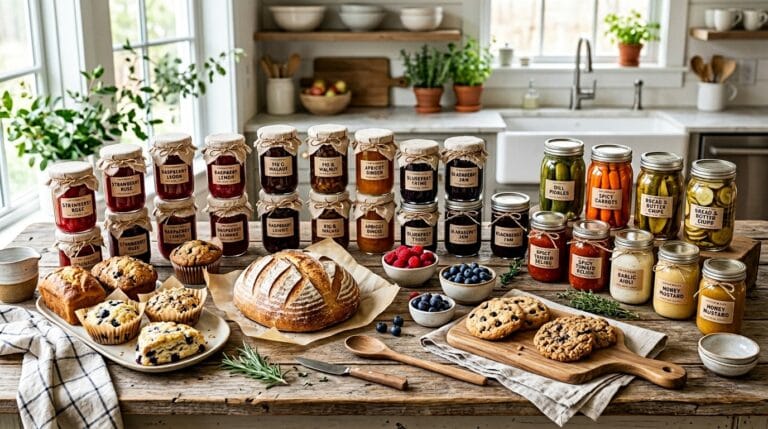
Food Freedom States 2026: Where Cottage Food Laws Go the Furthest
Nine states have passed food freedom laws that go far beyond standard cottage food rules — no permits, no sales caps, and…
Read more