Missouri Cottage Food Law 2026: No Sales Cap, No License, No Problem
Missouri's cottage food law has no annual sales cap, no license, and no fees. If you bake, make jam, or blend dried herbs, here's everything you need to know to start selling legally in 2026.
 1 min read
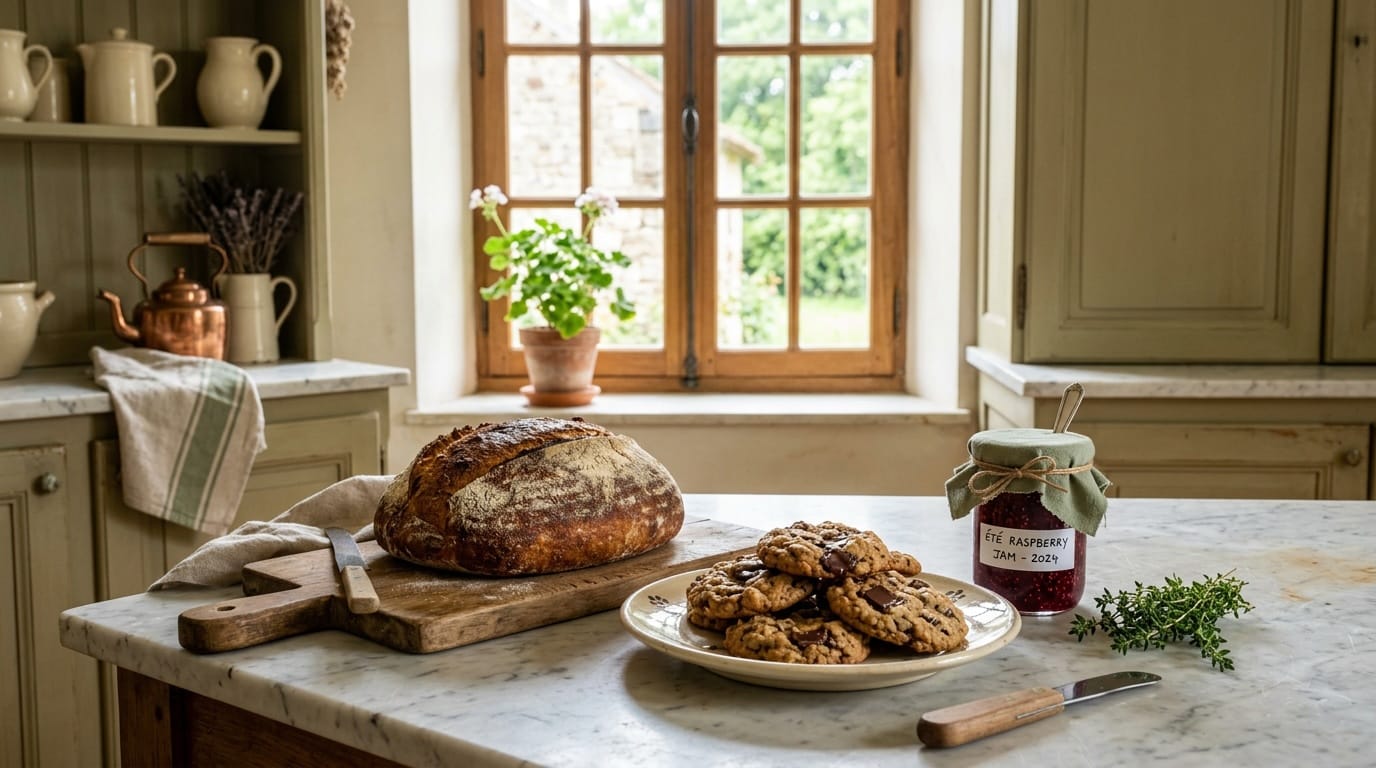
If you're a home baker or food maker in Missouri, you picked a good state. Missouri's cottage food law is one of the most permissive in the country — no annual sales cap, no license, no permits, no fees, and no inspections. You register with no one. You just make your food, label it correctly, and sell it directly to your customers.
That's not a typo. Let's dig into what this actually means for your business.
What Is Missouri's Cottage Food Law?
Missouri's Home-Based Kitchen Food Protection Law allows individuals to produce and sell certain homemade foods from their personal kitchens without registering with state or local health authorities, obtaining a permit, or paying any fees. The law explicitly states that cottage food production operations are not food service establishments and are not subject to state or local health code regulations.
It's one of the most hands-off cottage food frameworks in the US — which means the main thing standing between you and selling your baked goods or jam is making sure your product qualifies under the law and your label is correct.
No Sales Cap — Read That Again
Missouri removed the annual gross income cap from its cottage food law. There is no limit to how much you can earn selling cottage food in Missouri. Whether you're selling $2,000 worth of sourdough a year or you've built a $50,000 jam empire at the weekend market, the law covers you the same way.
This is genuinely unusual. Most states cap annual sales anywhere from $15,000 to $78,000. Missouri made the decision to get out of the way and let food makers build the business they want to build.
What Foods Are Allowed?
Missouri's cottage food law is more specific about product categories than some other states. The law currently covers three categories:
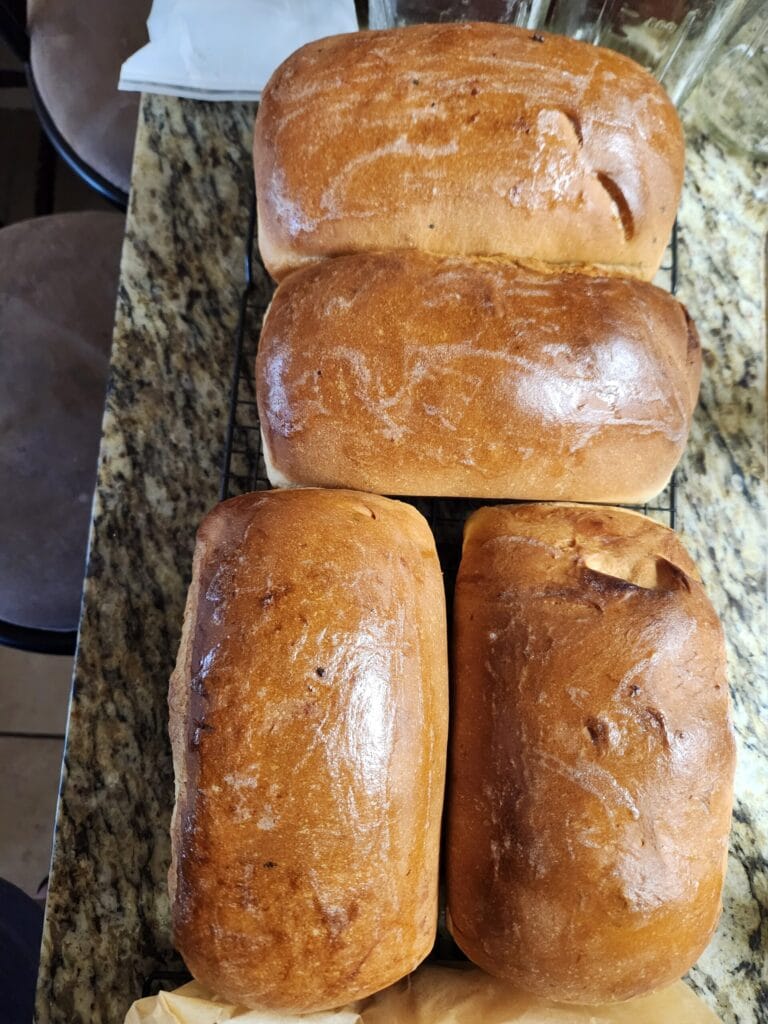
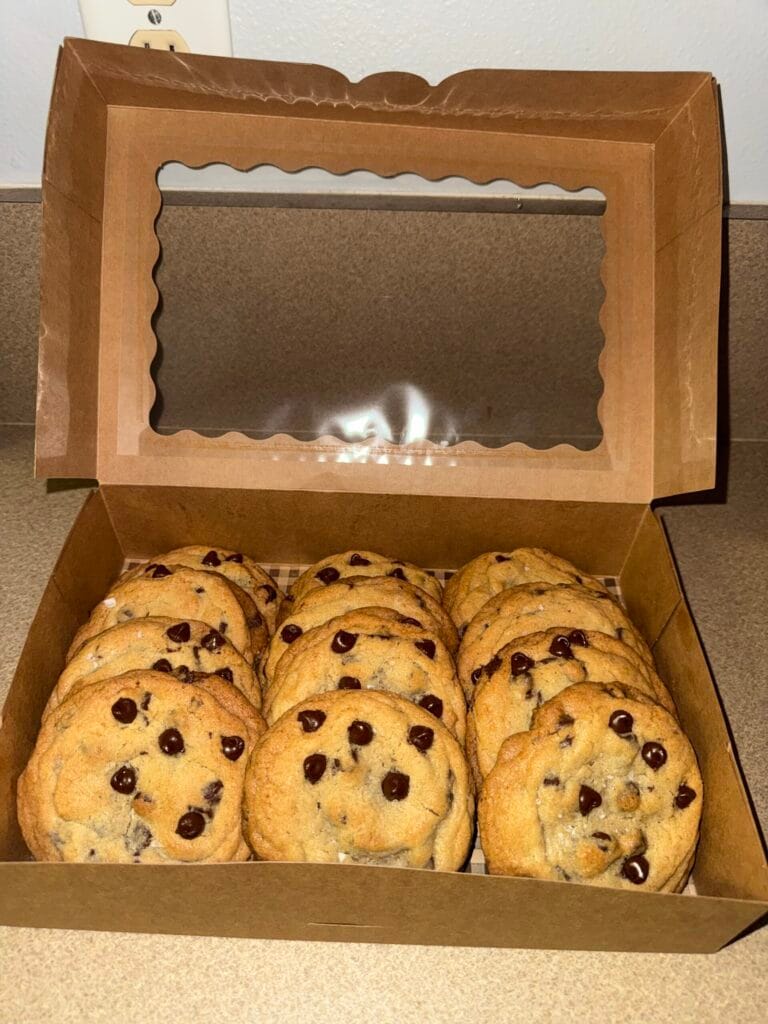
Baked goods: Cookies, cakes, breads, danish, donuts, pastries, and pies. If it's a baked good that doesn't require refrigeration, you're almost certainly good.
Canned jams and jellies: Standard fruit jams and jellies are covered — with one important caveat. "No Sugar Added," "Sugar Free," and hot pepper jams and jellies are excluded because their altered pH or water activity may push them into potentially hazardous territory. Stick to traditional full-sugar jams and you're in the clear.
Dried herbs and herb mixes: Single dried herbs and herb blend mixes are included, making Missouri a great state for anyone building a spice or seasoning line.
Note that salsa, pickles, BBQ sauce, and other acidified or low-acid canned goods are not covered under the Missouri Cottage Law — those require production in an inspected facility due to botulism risk. When in doubt, stick to the three covered categories.
Where Can You Sell?
Missouri cottage food products must be sold directly to the end consumer. That means farmers markets, community events, roadside stands, and your own front porch are all fair game. You can also sell online as long as both you (the producer) and the buyer are physically located within Missouri — no shipping across state lines.
What's not allowed: selling wholesale to grocery stores, restaurants, or through distributors. The direct-to-consumer requirement is the main constraint, but for most home food producers, selling directly to the people who will actually eat your food is the whole point anyway.
Labeling Requirements
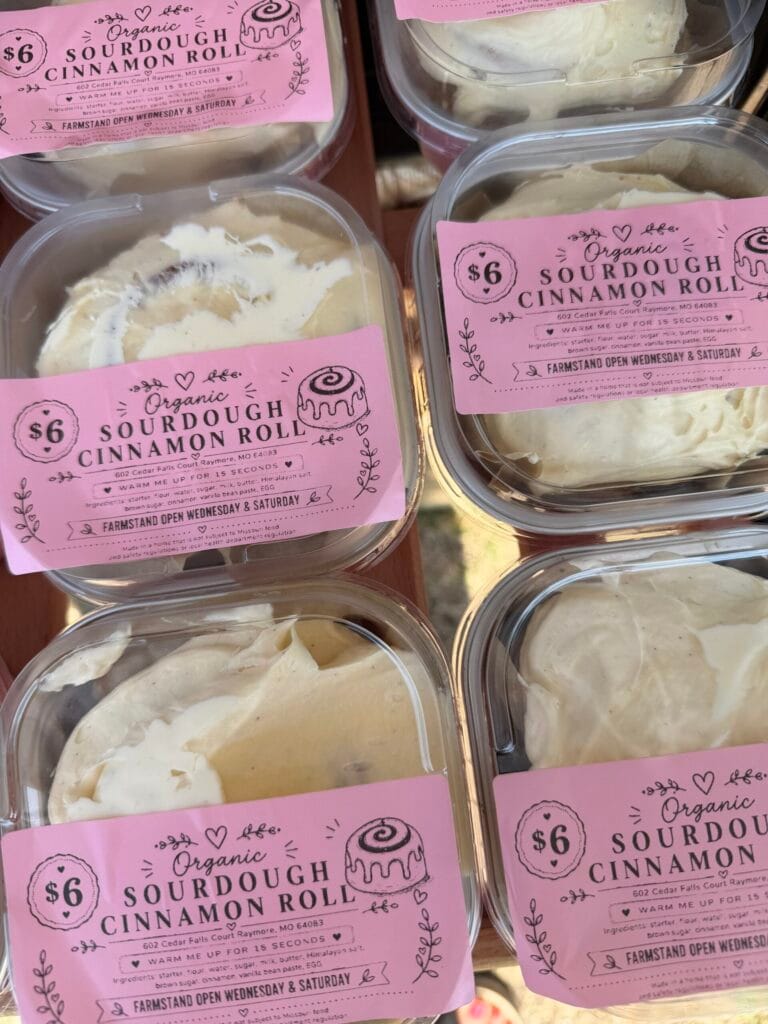
Even though Missouri doesn't require registration or permits, you do need to label every product correctly. Every cottage food item must include your name and home address, the product name, a complete ingredient list (in descending order by weight), and the following required statement: "This product is made in a home kitchen that is not inspected by the Missouri Department of Health and Senior Services or local health department."
Labeling is the one area where you don't want to cut corners — it's your legal protection and your customer's right to know. A well-designed label also makes your products look professional and market-ready, which doesn't hurt sales one bit.
Why Missouri Is a Dream State for Cottage Food Makers
No cap. No license. No permit. No fees. No inspection. The only requirements are that your product falls within the three covered categories, you sell directly to consumers, and you label everything correctly. If you've been hesitating to start your food business because you're worried about navigating complicated regulations, Missouri is genuinely about as simple as it gets.
The tradeoff is that the product category list is narrower than some states. But if you bake, make jam, or blend herbs — Missouri is giving you a runway with no speed limit.

For more information visit the Missouri Department of Health and Senior Services — Food Safety website.
⚠ Legal Disclaimer: This post is for informational purposes only and is not legal advice. Cottage food laws change frequently — always check your state's current statutes or consult a local attorney before starting your food business.

Keep reading
More from the market
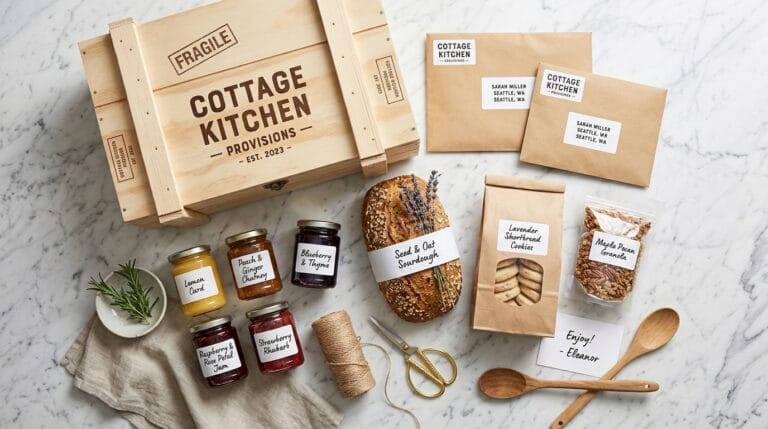
Can You Ship Cottage Food? The State-by-State Breakdown for 2026
Can you mail your cottage food products? The short answer is: it depends on your state. Here's the full 2026 breakdown of…
Read more
Georgia Cottage Food Laws 2026: No License Fee, Retail Sales Now Legal, and How to Start
Georgia eliminated its cottage food license fee and opened retail and restaurant sales in 2025 — and 2026 is your first full…
Read more
Food Freedom States 2026: Where Cottage Food Laws Go the Furthest
Nine states have passed food freedom laws that go far beyond standard cottage food rules — no permits, no sales caps, and…
Read more