The Simple Pricing Formula Every Farmers Market Vendor Needs to Know
Underpricing your farmers market products is the #1 mistake new cottage food vendors make. Here's the formula for pricing your baked goods, jam, and homemade food so your business actually works.
 1 min read
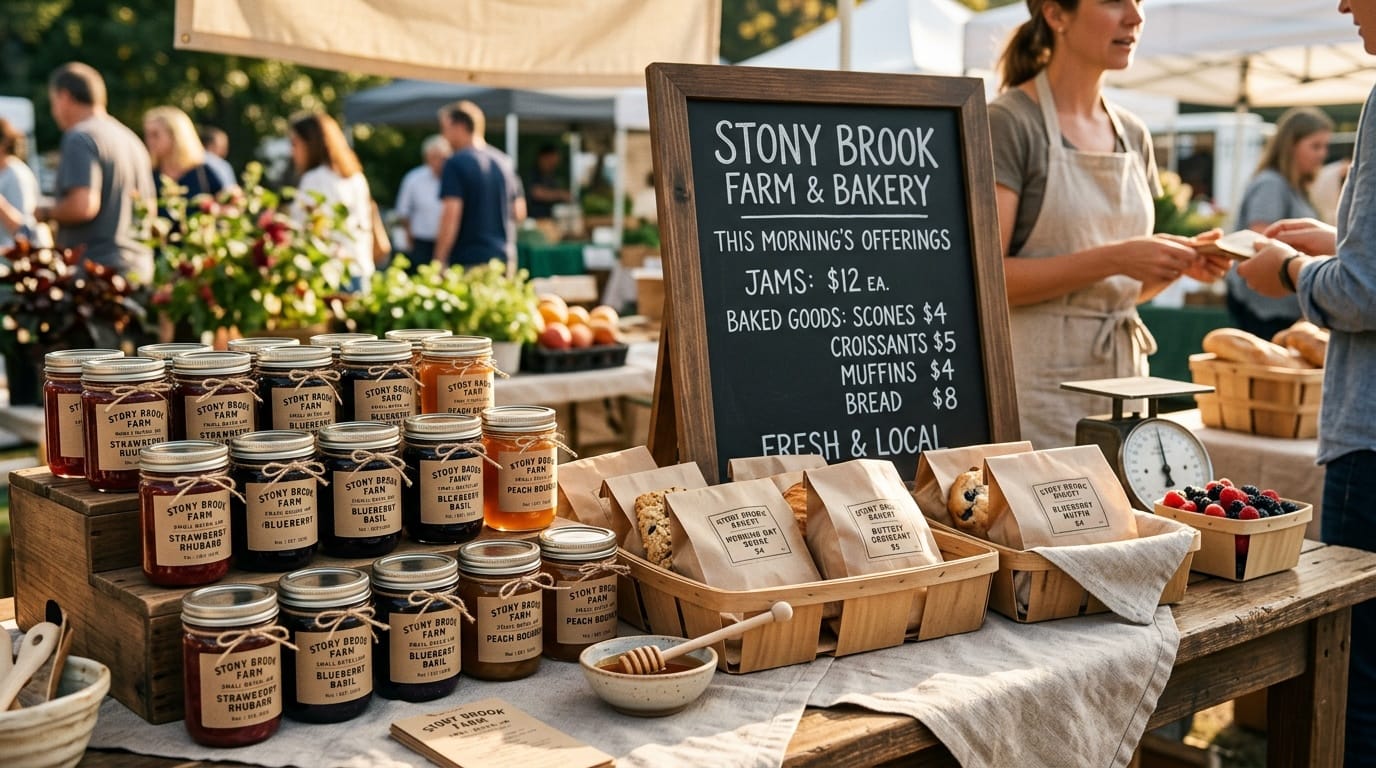
Here's a thing that happens to almost every new farmers market vendor: they spend weeks perfecting their product, design a gorgeous label, show up at their first market — and then panic when someone asks "how much?" They pick a number that sounds reasonable, sell out in two hours, and go home happy. Then they do the math and realize they made $4 an hour.
Pricing your farmers market products correctly from the start isn't just about making money — it's about making sure your food business is actually sustainable. Here's the framework that works, and why so many vendors get it wrong at first.
The Foundation: What Goes Into Your Price
Every price you set needs to cover four things: the cost of your ingredients, the cost of your packaging, the cost of your time, and a margin that makes the whole thing worth doing. Most new vendors remember ingredients and packaging. Almost all of them forget their time.
The basic formula: (ingredient cost + packaging cost + your time cost) × 2 to 3 = your price.
The multiplier accounts for overhead — your booth fee, travel to and from the market, equipment wear, insurance if you have it, and profit. Without that multiplier, you're breaking even at best.
How to Value Your Time (Without Feeling Weird About It)
This is where a lot of home food makers get stuck. "But it's something I love doing" or "I'm just starting out" or "I can't charge that much, can I?" Yes. You can. You should. Here's why.
A reasonable starting rate for skilled home food production is $15 to $25 per hour. That's not a luxury — that's what your time is actually worth when you factor in all the things that go into making your product: sourcing ingredients, prep work, actual cooking or baking, cooling time, packaging, labeling, and cleanup. Write down every step in your production process and honestly track how long it takes. Most people are shocked at the real number.
If your batch of 24 cookies takes two hours start to finish (including cleanup), that's $30 to $50 in labor alone — before a single ingredient is counted.
Target Profit Margin: 50 to 70%
A healthy profit margin for cottage food and farmers market products is 50 to 70% after ingredients and packaging. Use the 3x ingredient cost as your pricing floor: if your ingredients cost $3 per jar of jam, your minimum price is $9. Packaging brings that floor up further.
Many successful market vendors price at 4x to 5x ingredient cost once they factor in time, overhead, and market rates. That might sound high until you realize that a $10 jar of homemade strawberry jam made with fresh local berries, a thoughtful recipe, and thirty minutes of your morning is a bargain compared to what a specialty grocery store charges for the same thing.

2026 Benchmark Prices: What the Market Supports
Knowing what customers are already paying at farmers markets gives you a reality check on your pricing. Current 2026 market rates for common cottage food products:
Jams and jellies: Half-pint jars (8 oz) typically sell for $7 to $12, with premium or small-batch varieties at the higher end. If your local market runs $8 per jar, don't undercut to $5 — you're eroding your margin and training customers to expect unsustainably cheap prices.
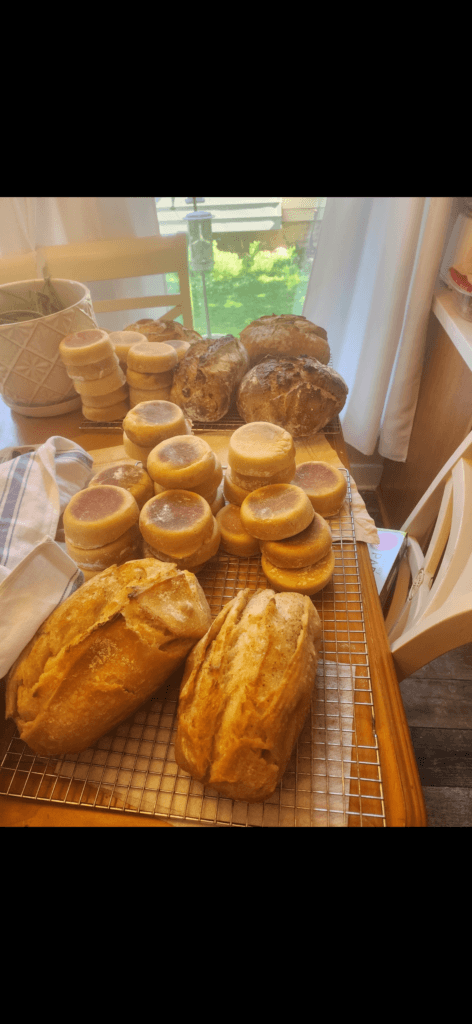
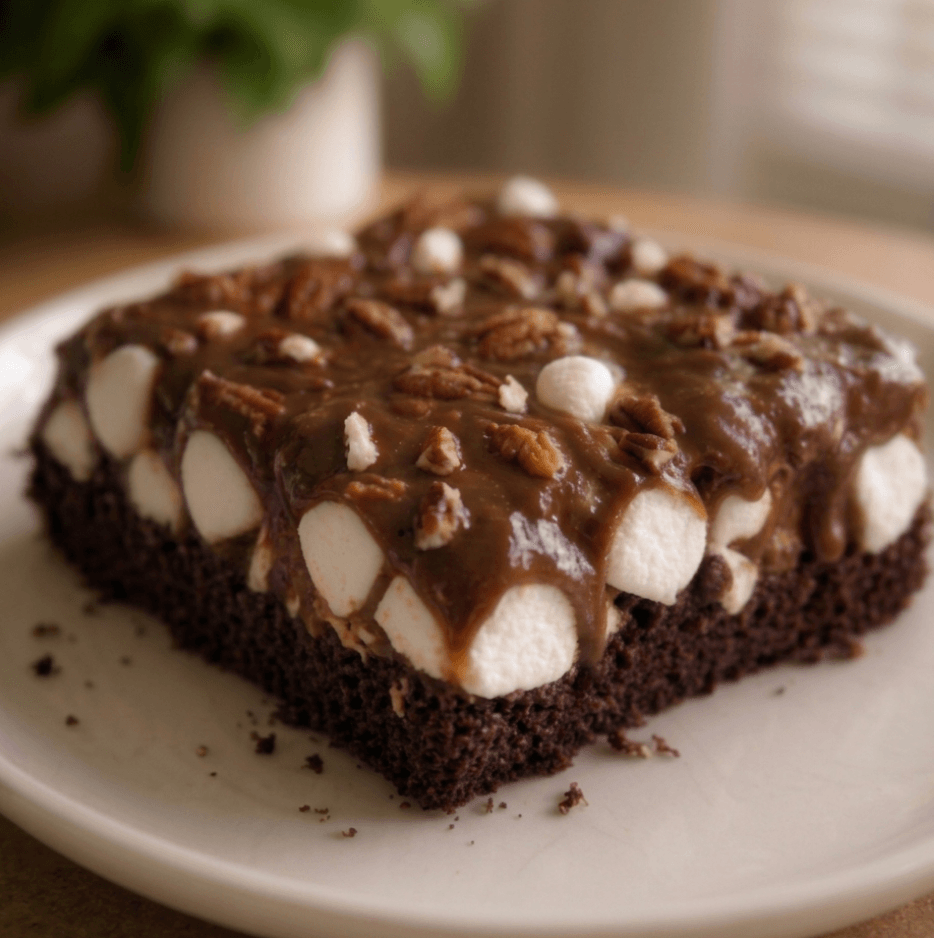
Baked goods: Cookies range from $2 to $4 each for standard items, $3 to $6 for specialty or decorated pieces. A dozen standard chocolate chip cookies lands between $10 and $14 at most markets. Artisan sourdough loaves go for $9 to $16 depending on size and inclusions.
Honey: Raw local honey sells for $10 to $14 per 8 oz jar and $16 to $22 per 16 oz jar. Local honey at a farmers market commands a real premium over grocery store honey, and buyers expect to pay it.
Granola and trail mix: 12 oz bags sell for $8 to $14 at most markets, depending on ingredients and presentation.
When you're setting your prices, look at what others in your market are charging for similar quality products — not the cheapest table, but the tables doing the most consistent business. That's your target range.
The Single Biggest Pricing Mistake New Vendors Make
Pricing too low. Full stop.
It feels counterintuitive — won't lower prices attract more customers? Sometimes in the short term. But underpricing has three serious costs: you burn out because you're working for less than minimum wage, you attract customers who won't stick around when you eventually correct your prices, and you signal to quality-conscious shoppers that your product might not be worth paying for. At a farmers market, price often functions as a quality signal.
The customers you actually want — the ones who come back every week, who buy multiple items, who tell their friends — are not shopping at your table because you're the cheapest option. They're there because your jam tastes like summer and your sourdough makes their house smell incredible. Charge accordingly.
A Quick Pricing Example
Let's say you make a batch of 12 half-pint jars of blackberry jam. Your ingredient cost is $18 for the berries, pectin, sugar, and lemon. Jars and lids cost $9 for the batch. Labels: $2. Total materials: $29, or about $2.42 per jar.
The whole process — washing berries, cooking jam, canning, labeling — takes about 3 hours. At $20/hour, that's $60 in labor, or $5 per jar. Total cost per jar: $7.42.
Using the 2x multiplier: $14.84 per jar. Rounded to $15. Now check the market: $7 to $12 is the typical range, $12 for premium. You might start at $12 and see how it moves. If it flies off the table in the first hour, that's your market telling you to raise your price.

— Amy

Keep reading
More from the market
How to Get Your Baked Goods to Market Without Wrecking Them
Cakes slide, frosting sweats, cookies go soft in the car. The crates, timing and packing order that get your bakes to the…
Read more
How to Store Root Vegetables and Winter Squash So They Last Until Spring
Potatoes, squash, carrots and onions will keep for months if you get a few things right. What each one wants, and the…
Read more
What to Do With Unsold Stock When the Market Season Ends
The last market of the season ends with a car full of what did not sell. Here is how to turn that…
Read more