What Is Cottage Food? The Beginner’s Guide to Selling From Your Home Kitchen
Cottage food laws let you legally sell homemade baked goods, jams, and other shelf-stable foods from your home kitchen — without a commercial license. Here's what you need to know to get started.
 1 min read
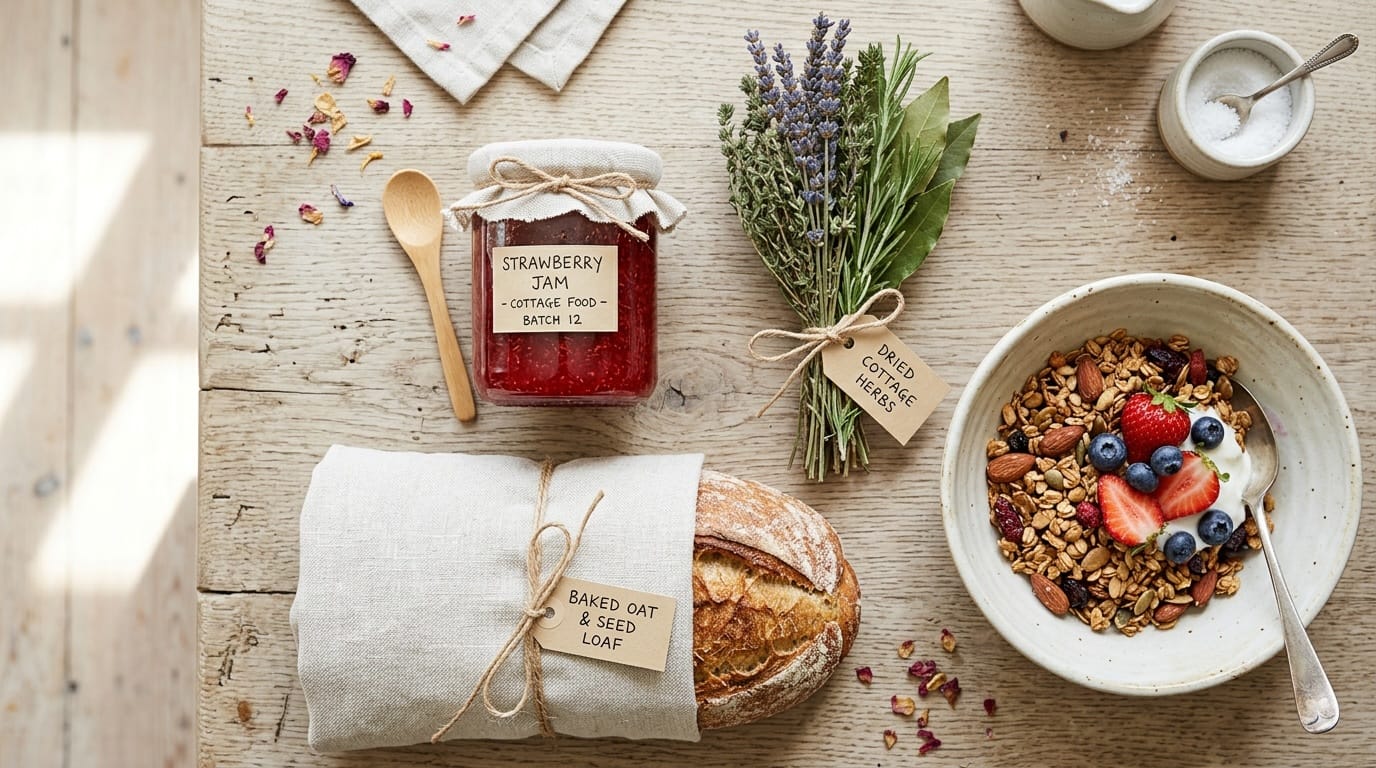
If you've been making food at home and wondering whether you can legally sell it — or if someone's mentioned "cottage food laws" and you nodded along while quietly Googling it later — this post is for you. Cottage food is one of the most accessible ways to start a food business, and more people qualify than realize it.
Let's break it down, jargon-free.
What Is Cottage Food?
"Cottage food" refers to homemade food products made in a private home kitchen and sold directly to consumers, under a category of state laws specifically designed to allow this. The term comes from the old idea of the "cottage industry" — small-scale production happening at home rather than in a factory or commercial facility.
Cottage food laws exist because state governments recognized a practical reality: a jar of strawberry jam made in someone's home kitchen poses very different risks than, say, raw chicken processed in a commercial plant. The foods covered by cottage food laws are specifically chosen because they're considered low-risk — they don't require refrigeration to stay safe, and they're unlikely to cause foodborne illness if properly made.
The result: in almost every US state, you can legally make and sell certain homemade foods without renting commercial kitchen space, obtaining a commercial food license, or investing thousands of dollars before your first sale.
What Foods Count as Cottage Food?
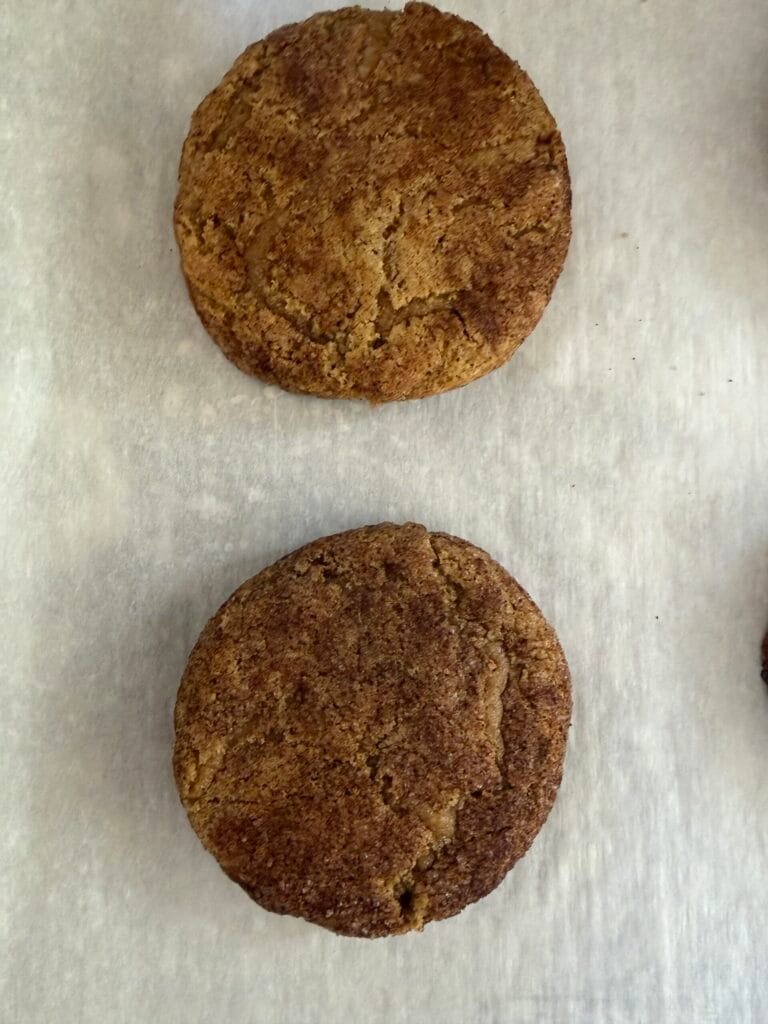
Cottage food laws generally cover what regulators call "non-potentially hazardous" foods — foods that are shelf-stable at room temperature. The most common examples include baked goods like breads, cookies, cakes, muffins, and pies; jams, jellies, and preserves; honey; candy and confections; granola, trail mix, and cereal blends; dried herbs and spice mixes; dry baking mixes; and roasted nuts and nut butters.
What's typically not covered: anything that needs refrigeration to stay safe, like custard pies, cheesecakes, cream fillings, or meat products. The line is usually drawn at "does this require refrigeration?" — if yes, it's not cottage food territory.
Each state has its own specific list, which is why it's always worth checking your state's actual rules rather than assuming what's covered. (Check out our state-by-state cottage food law guides for the specifics in your state.)

Who Can Sell Cottage Food?
Generally speaking: almost anyone. Cottage food laws are designed to give home food makers a legal path to start selling without needing commercial infrastructure. You don't need a culinary degree, a business background, or a lot of startup capital. If you make food in your home kitchen that falls within your state's covered product categories, you're likely eligible.
Most states do have a few baseline requirements — things like completing a food safety training course (often free or low-cost online), registering with your state agriculture or health department, and labeling your products correctly. Some states have annual sales caps, ranging from around $15,000 to $78,000 or more, though some states (like Missouri) have no cap at all.
The point is: the bar is intentionally low. States want local food economies to thrive, and cottage food laws are one of the tools that makes that possible.
Why Is This a Big Deal for Small Food Businesses?
Before cottage food laws became widespread, there was a real legal gray area around selling homemade food. Many home bakers sold at farmers markets without being entirely sure whether they were supposed to have a commercial kitchen license. The laws that have emerged over the last decade have changed that — giving thousands of home food producers a clear, legal pathway to build real businesses.
The economic impact is genuine. Cottage food businesses support local food systems, keep money circulating in communities, and give people a way to test and build a food business before committing to the full overhead of a licensed commercial operation. Many food entrepreneurs who now run thriving bakeries, jam companies, and specialty food businesses started under their state's cottage food law.
Where Can Cottage Food Be Sold?
The most common sales channels under cottage food laws are farmers markets and farm stands, direct from the producer's home, at community events and pop-ups, and increasingly — online, as long as the sale is direct to a consumer within the same state. Some states allow internet sales with in-person delivery; others are more restrictive. Selling wholesale to grocery stores or restaurants typically isn't covered under cottage food exemptions.
The consistent thread across most states: direct-to-consumer sales are the foundation of cottage food. Which means your neighbors, your local market shoppers, and your online community are your primary audience — and that's a genuinely great place to build a loyal food business.
How Do I Find My State's Cottage Food Law?
We're building out state-by-state guides right here on Butter & Sage Market — check the cottage food laws category for your state's specific rules on sales caps, allowed products, training requirements, and labeling. For the most up-to-date legal information, always verify with your state's department of agriculture or department of health, since cottage food laws can and do change.
The short version: if you've been making food at home and wondering whether you could sell it — there's a real chance the answer is yes. The laws are there. The markets are there. Your neighbors are already looking for what you make.


Keep reading
More from the market
How to Get Your Baked Goods to Market Without Wrecking Them
Cakes slide, frosting sweats, cookies go soft in the car. The crates, timing and packing order that get your bakes to the…
Read more
How to Store Root Vegetables and Winter Squash So They Last Until Spring
Potatoes, squash, carrots and onions will keep for months if you get a few things right. What each one wants, and the…
Read more
What to Do With Unsold Stock When the Market Season Ends
The last market of the season ends with a car full of what did not sell. Here is how to turn that…
Read more