You baked a batch of cookies your neighbor can't stop talking about, or you're jarring a salsa verde that disappears at every potluck. The question hanging over all of it: can I actually sell this from my home kitchen in Iowa?
Good news: yes — and Iowa's cottage food law gives you more runway than most people expect.
Iowa Cottage Food Law: Two Programs, One Big Opportunity
Iowa runs two separate programs for home-kitchen food businesses, and understanding the difference is the first thing you need to get right.
The Cottage Food program covers shelf-stable, non-potentially-hazardous foods — baked goods, jams, jellies, dry mixes, candies, spice blends, and similar products that don't need refrigeration to stay safe. Under this program, Iowa imposes no annual sales limit. You can sell as much as your home kitchen can produce. No registration required. No license. No mandatory food safety course — though taking one is always a credibility boost at the farmers market.
The Home Food Processing Establishment (HFPE) program is where Iowa gets genuinely exciting. Iowa is one of only nine states that have officially legalized TCS foods — Time/Temperature Control for Safety foods, meaning products that require refrigeration, like cream cheese frosting, egg-based pastries, custards, and quiches — in a home kitchen setting. This is a landmark shift that opens doors that were previously closed to home bakers across the state.
The HFPE Program: TCS Foods Are Now Legal in Iowa Home Kitchens
If your signature product involves dairy, eggs, or anything that needs to stay cold, the HFPE registration is your path. An annual gross sales cap of $35,000 applies to HFPE home bakery operations. You'll need food handler training and Good Manufacturing Practices (GMP) certification before starting. Sales must remain direct-to-consumer: farmers markets, roadside stands, community events, and online orders for local pickup or delivery are all fair game. Retail store placement is a different regulatory category.
Household members can help with production, but hiring non-household employees moves you into commercial kitchen territory.
What You Can (and Can't) Sell
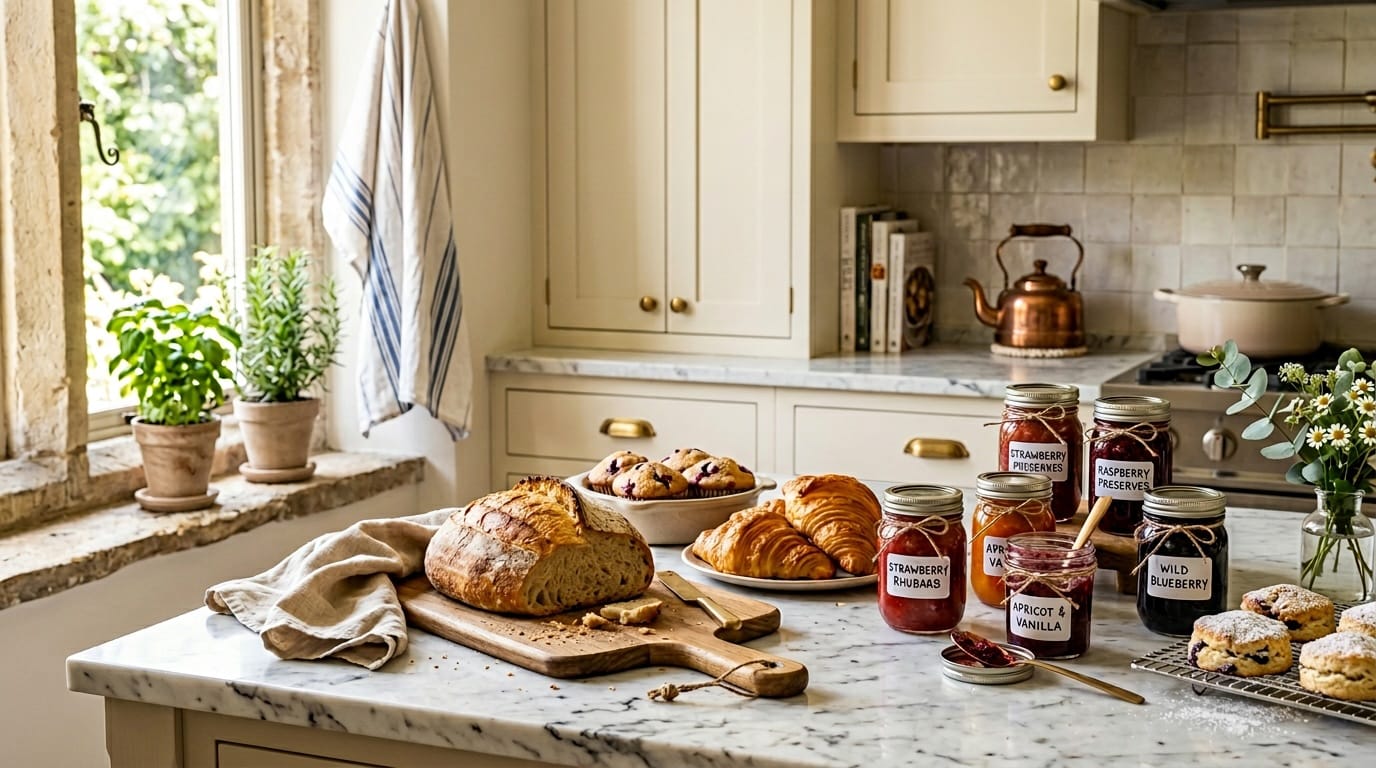
Under the basic Cottage Food program: breads, cookies, cakes with shelf-stable frosting, candies, high-sugar jams and jellies, dried herbs, granola, spice blends, and similar non-perishable items. There's no ceiling on how much you can sell.
Under the HFPE program: refrigerated items like cream cheese pound cakes, custard tarts, egg quiches, and cheesecakes. This is genuinely new territory for Iowa home food entrepreneurs in 2026.
Iowa Cottage Food Labeling Requirements
Every product needs a label with your name and address, product name, a full ingredient list in order of predominance by weight, net weight or volume, and this required statement — verbatim: "Made in a home kitchen that is not inspected by the Iowa Department of Inspections, Appeals, and Licensing."
Where You Can Sell in Iowa
Direct-to-consumer is the operating model for both programs. Farmers markets, selling from home, community events, roadside stands, and online orders for local pickup or delivery are all fair game. Retail store placement requires a different license.
For more information, visit the Iowa Department of Inspections, Appeals, and Licensing website.
Butter & Sage Market
Ready to Sell Your Iowa Cottage Food Products Online?
Butter & Sage Market is the only online marketplace built exclusively for small and cottage food businesses. Open your shop and connect with customers in your area — no tech headache required.
Fresh. Local. Sustainable.
⚠ Legal Disclaimer: This post is for informational purposes only and is not legal advice. Cottage food laws change frequently — always check your state's current statutes or consult a local attorney before starting your food business.

0 Comments